Newsletter
Join the Community
Subscribe to our newsletter for the latest news and updates

Open-source web dashboard for Garage S3 object storage: manage buckets, access keys, cluster status, with OIDC and team access control.
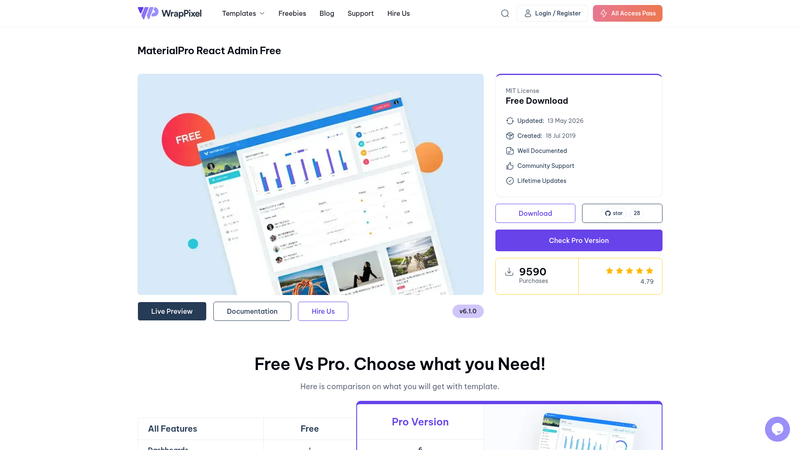
Free React admin dashboard template from WrapPixel with a starter dashboard, 7+ pages, and 4+ UI components built on Reactstrap.
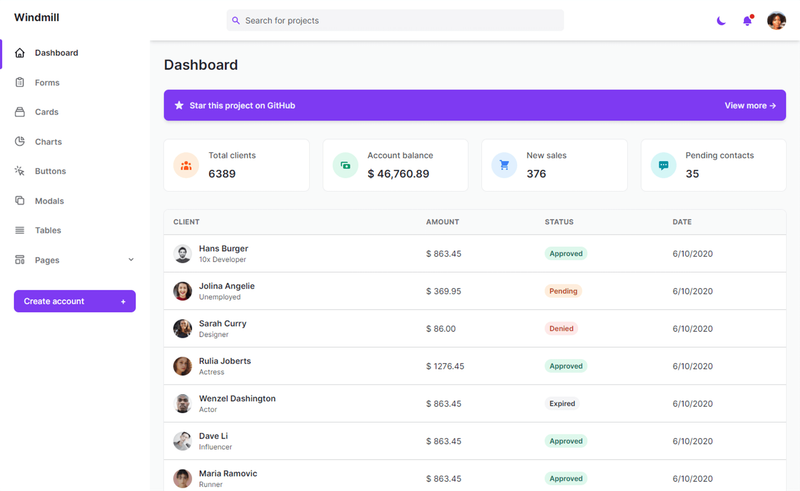
Free Tailwind CSS admin dashboard template with charts, tables, auth pages, and light/dark modes from WindmillUI.
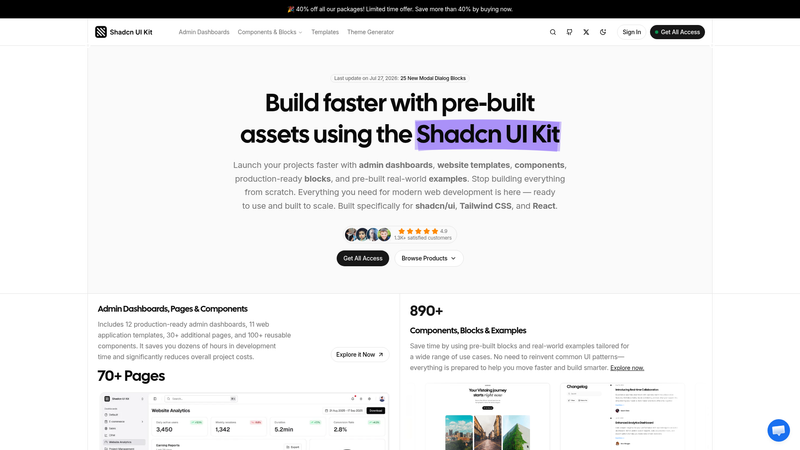
A free collection of admin dashboards, website templates, and customizable components built on shadcn/ui.
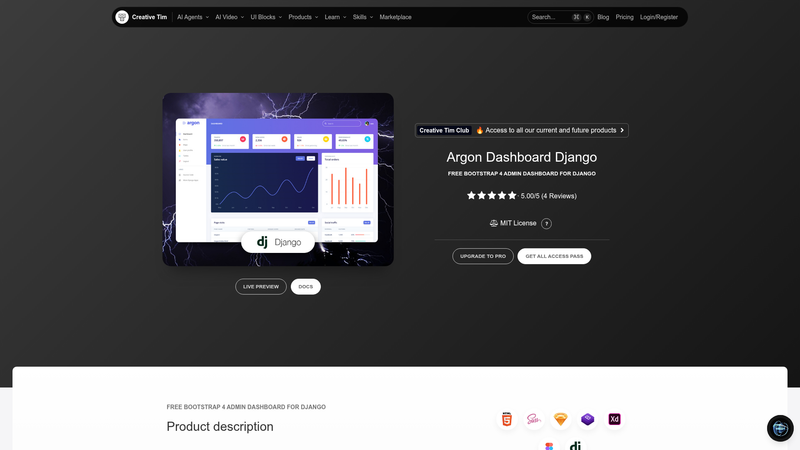
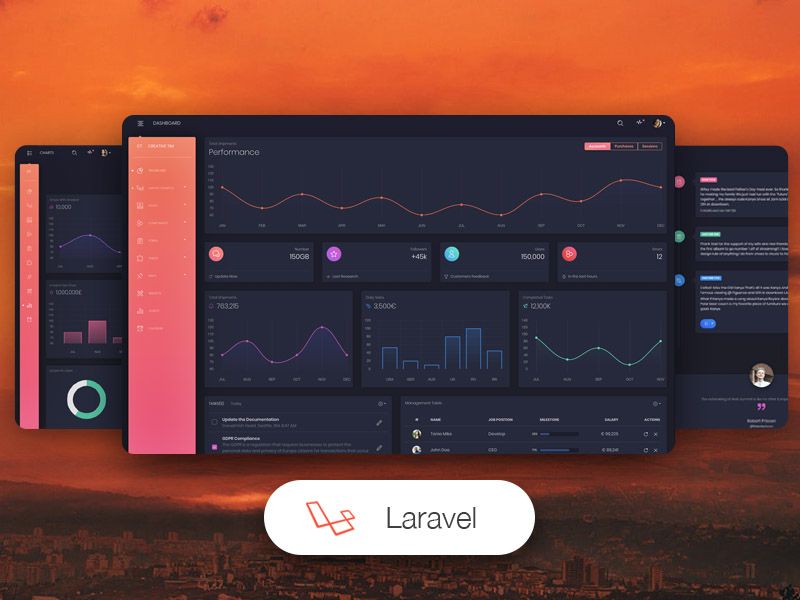
Open-source Django admin dashboard template built on the Bootstrap 4 Argon Dashboard UI with authentication and Docker deployment scripts.
Garage UI is an open-source web dashboard for managing Garage S3-compatible object storage clusters, bringing bucket, key, and cluster administration into the browser.
Garage UI is a web-based administrative interface for Garage, a self-hosted S3-compatible object storage platform. It connects to Garage's S3 API and admin API using credentials from a config file, environment variables, or an existing garage.toml, and exposes a browser UI on port 8080. The project includes a Go backend and a Node.js frontend, ships as a single Docker image or a Helm chart, and is MIT-licensed with a public repository maintained by Noooste.
Garage UI reads configuration from either a config.yaml file or directly from garage.toml, which supplies the S3 endpoint, admin endpoint, admin token, and S3 region. It then starts an HTTP server on port 8080 serving the dashboard and an API at /api/v1/. Configuration precedence is built-in defaults, then garage.toml, then config.yaml, then GARAGE_UI_ environment variables.
Garage UI is free and open source under the MIT license.
Yes, Garage UI is released under the MIT license and is free to use and modify.
Garage UI aims for broad compatibility, supporting Garage v1 through the latest version, including IPv6-only networks and file-based secrets.
You can set no authentication, basic admin credentials, or an OIDC provider such as Keycloak or Authentik. When nothing is configured, token auth auto-enables and the login page asks for the Garage admin token.
Yes, an official Helm chart is available, and it creates a ClusterIP service on port 80; you can port-forward to it before adding an ingress.
Sensitive values like the admin token or OIDC client secret can be loaded from files using environment variables with a _FILE suffix, matching the convention used by Postgres and MySQL images.