Newsletter
Join the Community
Subscribe to our newsletter for the latest news and updates
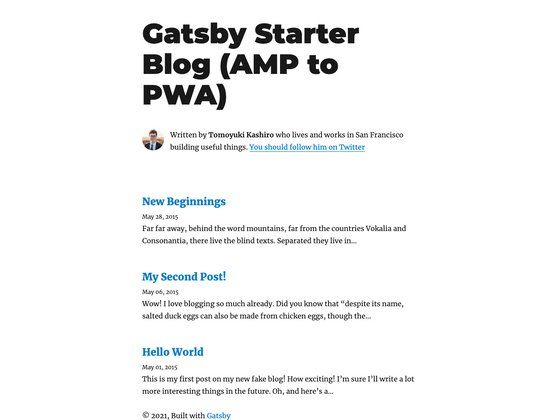
Gatsby blog starter with AMP output and AMP-to-PWA upgrade strategy, forked from the official gatsby-starter-blog.
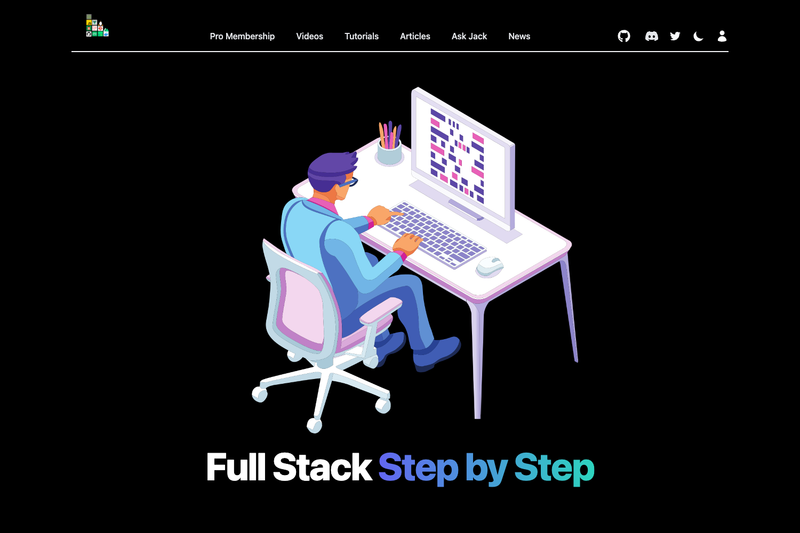
Free, open-source Nuxt 3 + Nitro + TypeScript fullstack starter from Full Stack Jack with live demo.
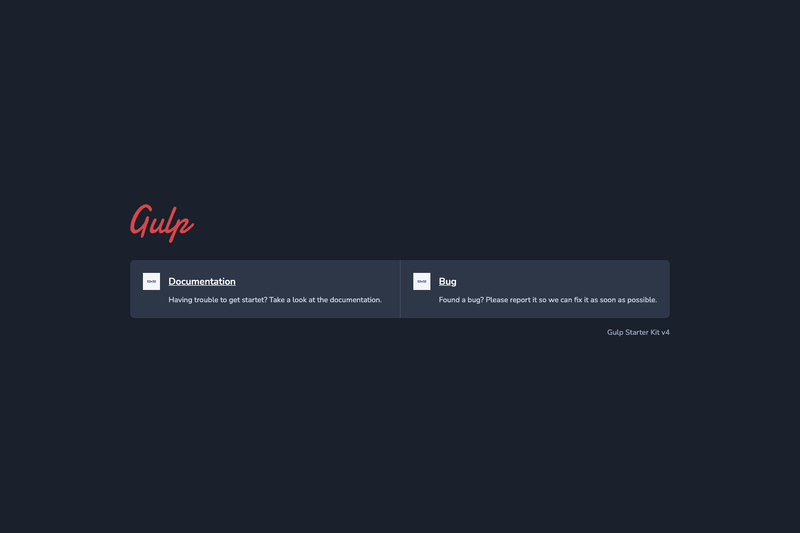
Gulp Starter Kit for front-end developers which supports: SCSS, Eleventy, Nunjucks, rollup.js, Babel + auto polyfill.
SvelteKit full-stack boilerplate for a Pastebin-like CRUD app with auth, testing, CI/CD, and observability.
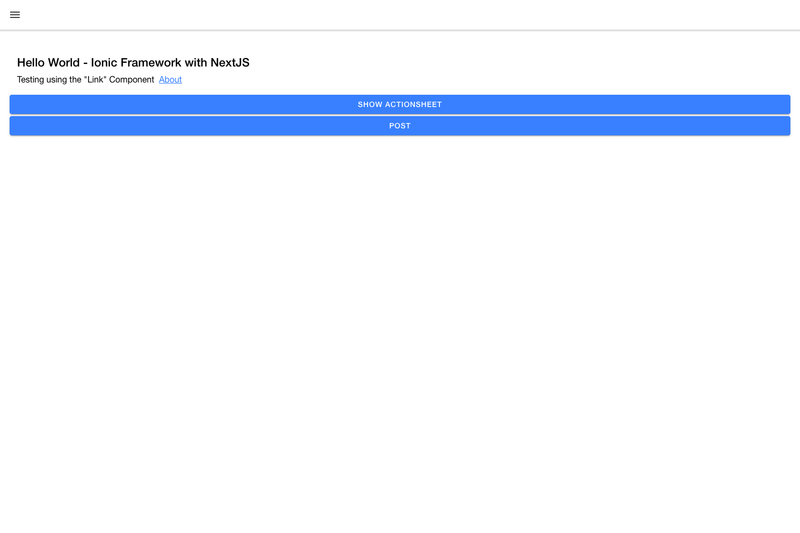
Sample Application w NextJS & Ionic Framework
A boilerplate for building Nuxt.js SPAs with Ionic 4 components, including dev and static generation scripts.
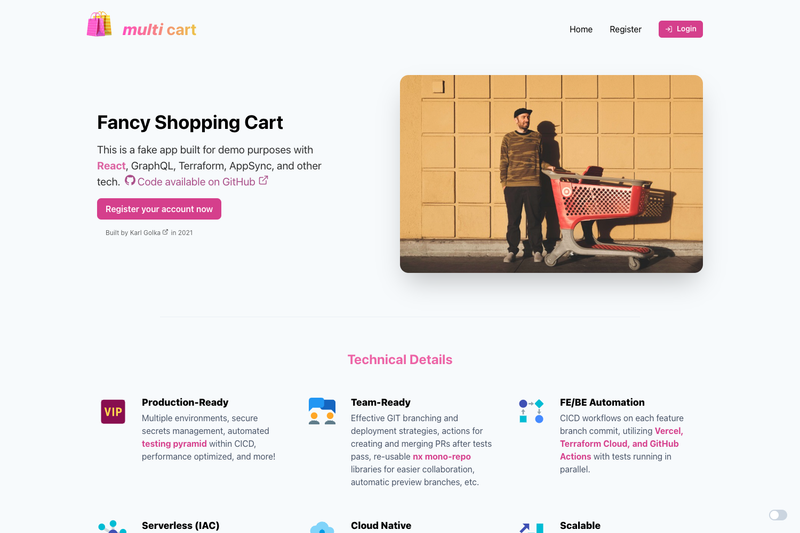
Full-stack React serverless web application built for demo & study purposes.
Gatsby Blog AMP to PWA is a Gatsby blog starter that generates both standard and AMP versions of every article and implements the AMP-to-PWA upgrade strategy, forked from the official gatsby-starter-blog.
Gatsby Blog AMP to PWA is a starter template for building a blog with Gatsby, the React-based static site generator, with built-in AMP output. It takes Markdown articles as input and produces a static site with non-AMP pages at the root (e.g., localhost:8000) and AMP versions under the /amp/ path (e.g., localhost:8000/amp/). The template is forked from the official gatsby-starter-blog and adds an AMP implementation plus the "AMP as an entry point into your PWA" pattern described in the AMP Project documentation.
The README documents a straightforward workflow: clone the starter via npx gatsby new, write your articles in Markdown, then run yarn run build and yarn run serve to generate and serve the static site. The build output splits URLs into non-AMP at the root and AMP under the /amp/ prefix, and the included Netlify button automates the same build in the cloud.
The AMP Project's documentation describes it as "AMP as entry point into your PWA," meaning AMP pages serve as the initial entry and can upgrade to the full PWA shell. This starter implements that pattern so the AMP version of a post can lead visitors into the progressive web app.
Per the README, after running yarn run build and yarn run serve, AMP articles are available at http://localhost:8000/amp/ while non-AMP articles appear at http://localhost:8000.
Use the command npx gatsby new my-blog-starter https://github.com/tomoyukikashiro/gatsby-starter-blog-amp-to-pwa, then cd into the directory, add article Markdown files, and run yarn run build && yarn run serve to preview locally.
No, it is forked from the official starter and adds AMP rendering plus the AMP-to-PWA integration pattern. The base structure comes from the original, but the output includes AMP versions of every article.