Newsletter
Join the Community
Subscribe to our newsletter for the latest news and updates

Sample Application w NextJS & Ionic Framework
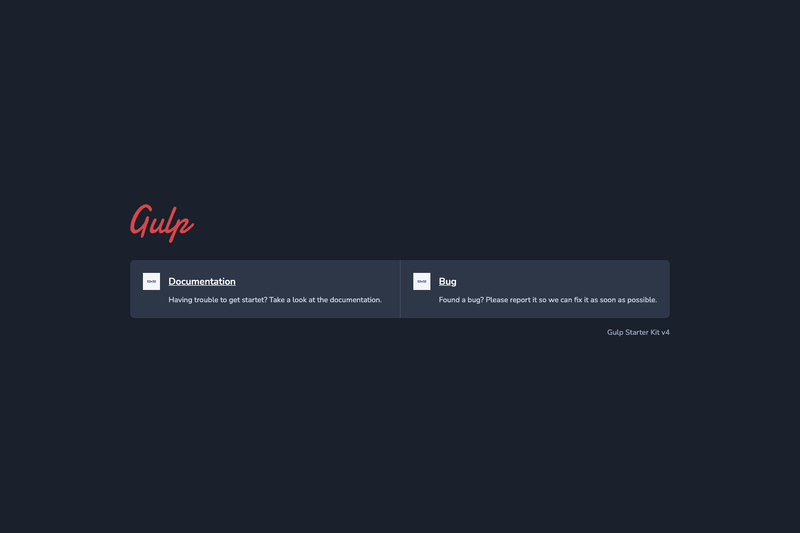
Gulp Starter Kit for front-end developers which supports: SCSS, Eleventy, Nunjucks, rollup.js, Babel + auto polyfill.
SvelteKit full-stack boilerplate for a Pastebin-like CRUD app with auth, testing, CI/CD, and observability.
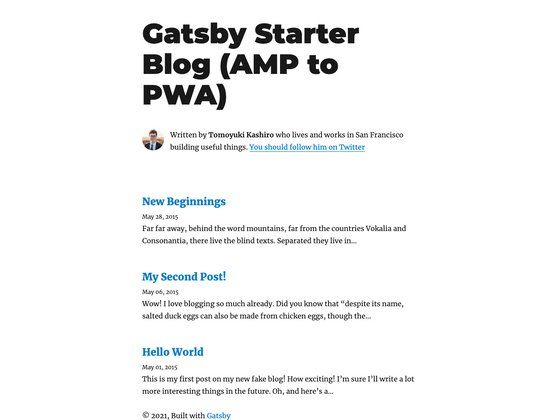
Gatsby blog starter with AMP output and AMP-to-PWA upgrade strategy, forked from the official gatsby-starter-blog.
A boilerplate for building Nuxt.js SPAs with Ionic 4 components, including dev and static generation scripts.
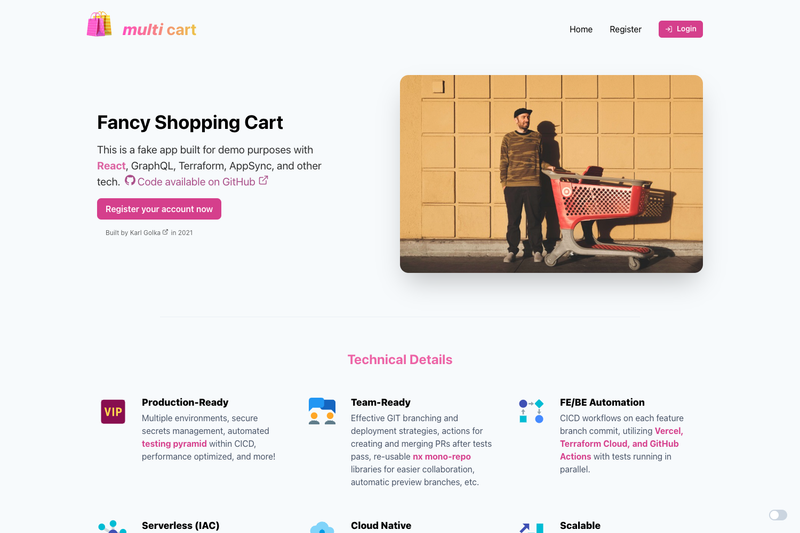
Full-stack React serverless web application built for demo & study purposes.
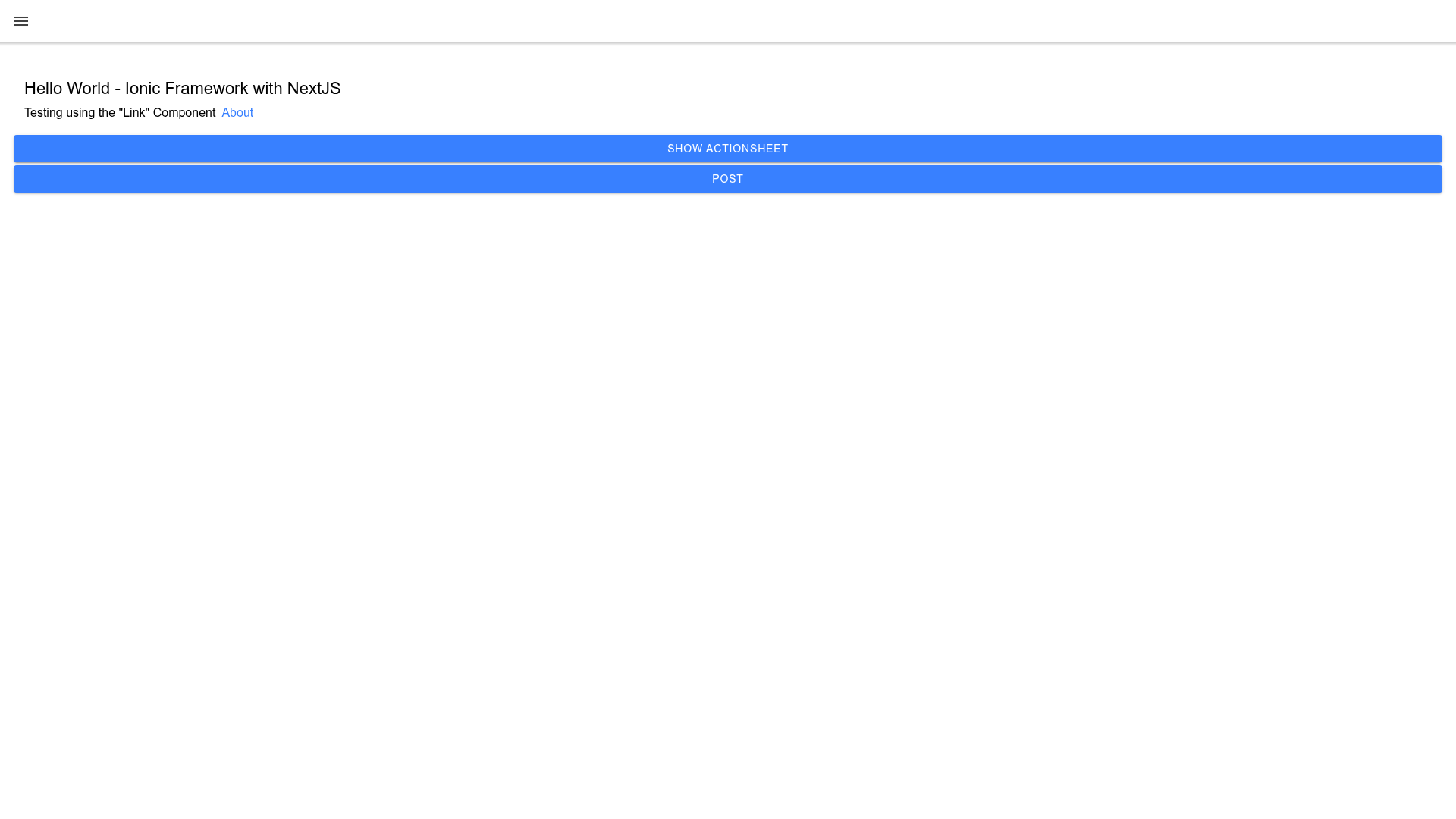
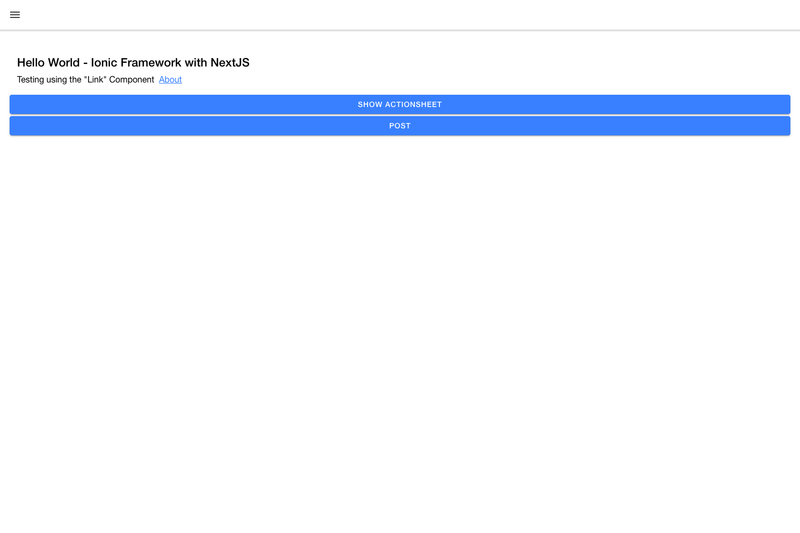
This is a minimal Next.js starter template that demonstrates how to integrate the Ionic Framework into a React application, with two pages and client-side routing via next/link. Built as a sample application, it pairs the server-rendered capabilities of Next.js with the mobile UI components from Ionic.
It is a sample application that combines Next.js with the Ionic Framework, showing how to set up a project where Ionic components work alongside Next.js pages. The template contains two pages: pages/index.js and pages/about.js, which handle the / and /about routes respectively. It also includes a "day" directory to illustrate that you can organize routes in subdirectories.
The example relies on Next.js's file-based routing: a file named pages/index.js becomes the / route, and pages/about.js becomes the /about route. Navigation between them is handled by the Link component from next/link. To make Ionic work, the package.json is reconfigured to load a custom-built Ionic React tarball instead of the official npm release, avoiding the "HTMLElement is not defined" error that occurs during server-side rendering.
Pros
Cons
The official @ionic/react package causes a ReferenceError for HTMLElement when the page is rendered on the server, as shown in the README. The workaround is to use a patched build from github.com/Yonom/ionic, packaged as a local .tgz file, and reference it in package.json with "file:lib/ionic-react-5.4.4.tgz".
The template includes two routes: the root / route from pages/index.js and the /about route from pages/about.js. It also has a "day" directory that can be used to create additional nested routes.
Use the "Deploy with Vercel" button in the README, or connect your GitHub repository to Vercel and choose the root directory. Since it is a standard Next.js project, Vercel's automatic configuration should work out of the box.