Newsletter
Join the Community
Subscribe to our newsletter for the latest news and updates

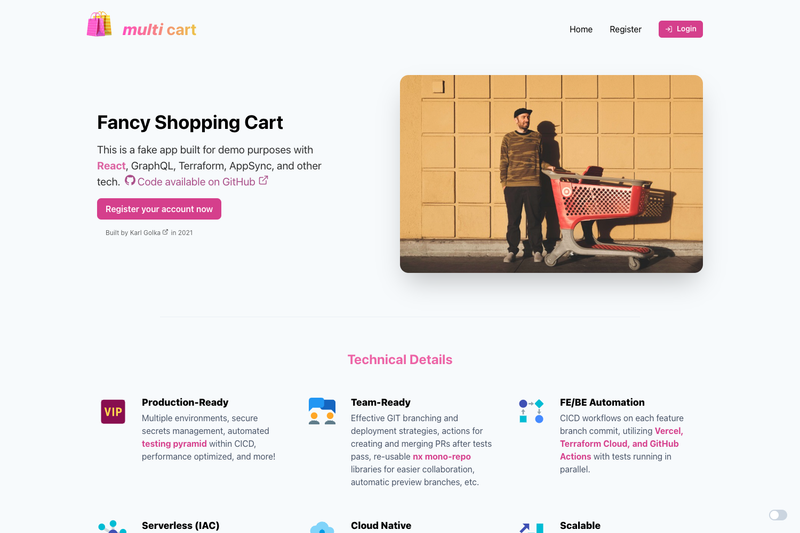
Full-stack React serverless web application built for demo & study purposes.
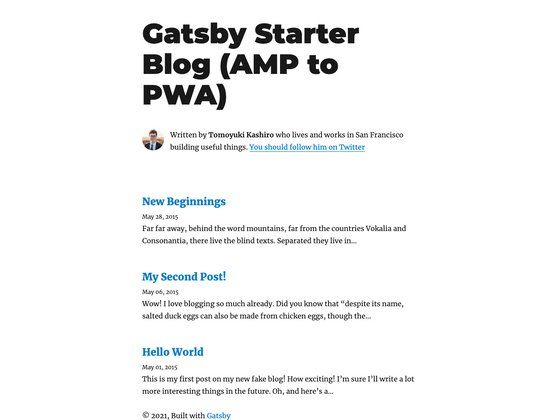
Gatsby blog starter with AMP output and AMP-to-PWA upgrade strategy, forked from the official gatsby-starter-blog.
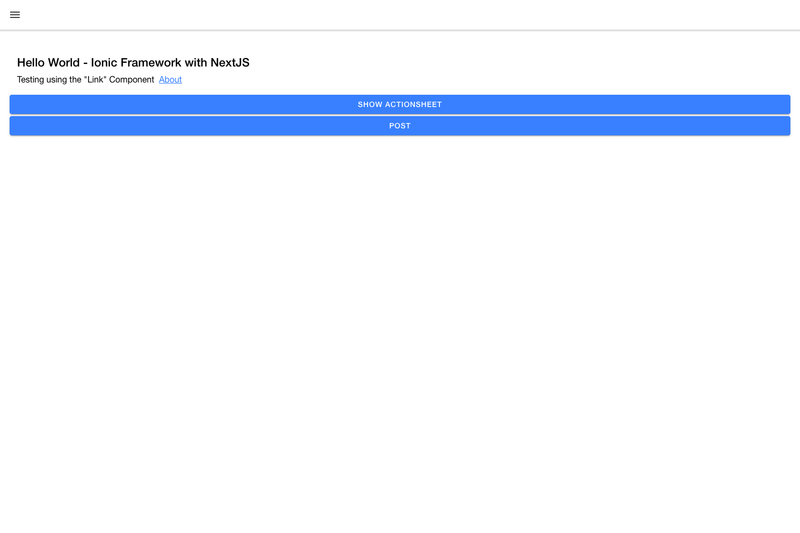
Sample Application w NextJS & Ionic Framework
A boilerplate for building Nuxt.js SPAs with Ionic 4 components, including dev and static generation scripts.

A minimal boilerplate that combines Next.js, Tailwind CSS, and SCSS with dark mode support.
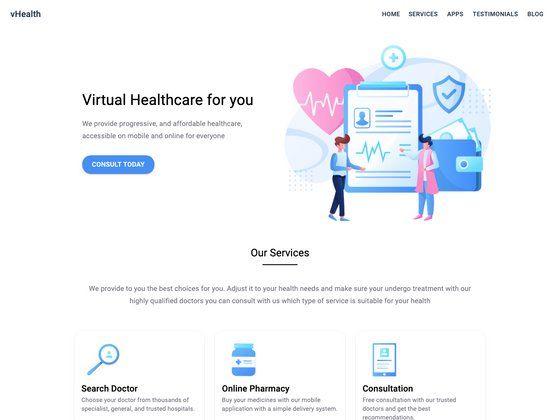
Open source Gatsby web template for a healthcare startup, featuring a modern landing page design.
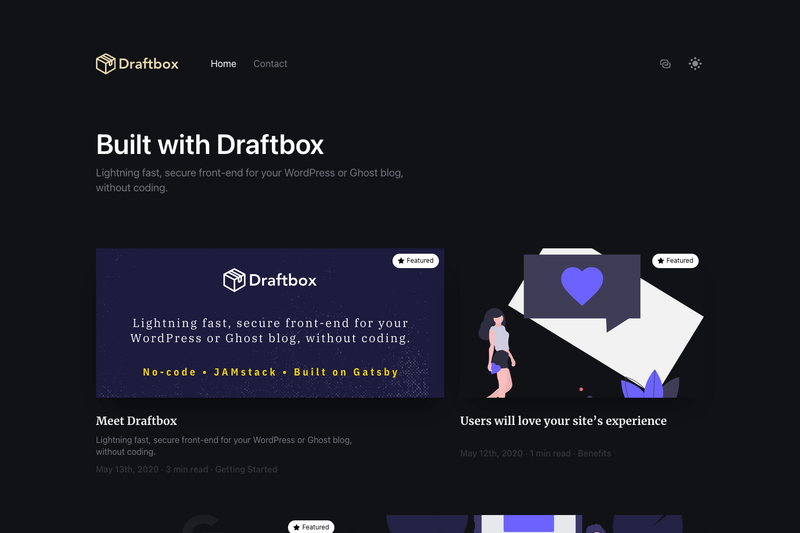
A Gatsby starter for creating blogs from headless Ghost CMS.
Multi Cart is a full-stack serverless React shopping cart web application built as a demo and study project, demonstrating GraphQL data fetching, CI/CD, and modern React component composition.
Multi Cart is a full-stack React serverless web application that implements a multi-cart shopping experience, where users create and edit multiple named carts. It takes user input for cart items and account details, and saves them to a serverless GraphQL backend via AWS AppSync. The app is built and deployed with Next.js, runs on Vercel, and is authored by Charlie Argue as a learning resource. It was substantially refactored in April 2023 to follow React best practices such as component composition, minimal state management, and auto-generated typed hooks.
useSaveAsCurrentCart, keeping components simple and testable.react-data-access library optimizes data fetching and avoids unnecessary API calls.The app starts with a Next.js frontend where a user opens the cart menu and clicks "New Cart". They land on an Edit Cart page containing a table of line items; each line can be edited through a form, and related accounts are managed in a drawer. Changes are saved automatically via an AutoSave component to the AppSync backend, with custom urql exchanges handling caching and global fetching.
Yes, the entire source code is available on GitHub under the MIT License, so you can freely use, modify, and distribute it.
No, it was built for demo and study purposes. The README lists known issues and future enhancements separately, and it does not include ecommerce features like payment processing.
The stack includes React, Next.js, TypeScript, GraphQL, AWS AppSync, urql, Jest, Cypress, Terraform, and Vercel. The repo also lists topics for appsync, boilerplate, graphql, jest, nextjs, react, terraform, and typescript.