Newsletter
Join the Community
Subscribe to our newsletter for the latest news and updates

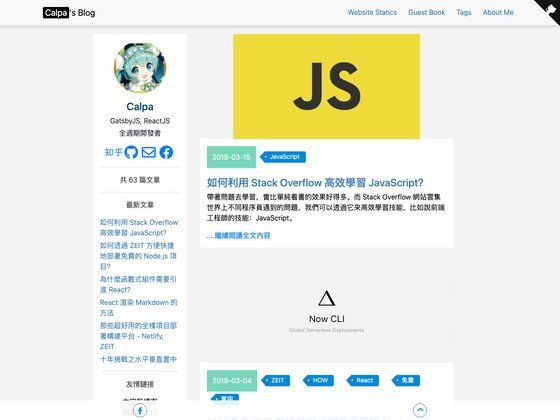
GatsbyJS v2 starter that builds a blog system with Netlify CMS, Gitalk comments, SEO, and offline support.

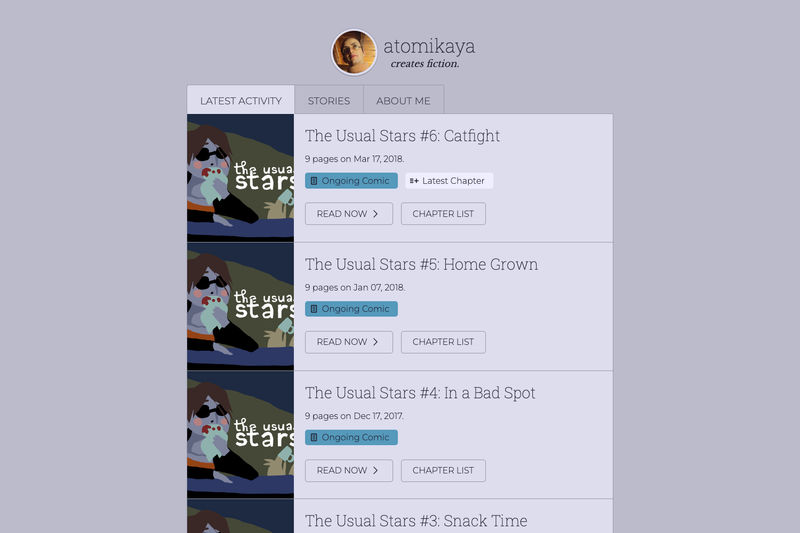
Free Bootstrap 4 HTML5 personal travel blog website template with multi-page design, hero slider, lightbox gallery, and PHP/AJAX contact form.
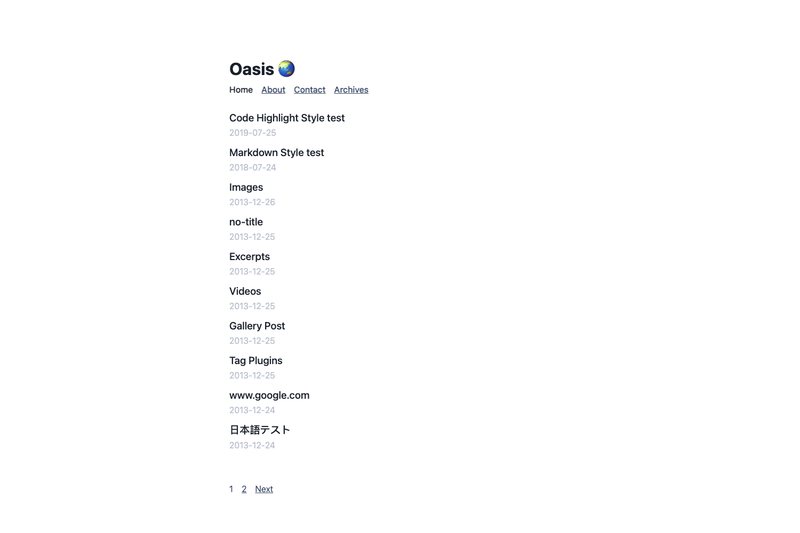
A Jekyll blog theme built with Bulma.css, featuring Disqus comments and Google Analytics.
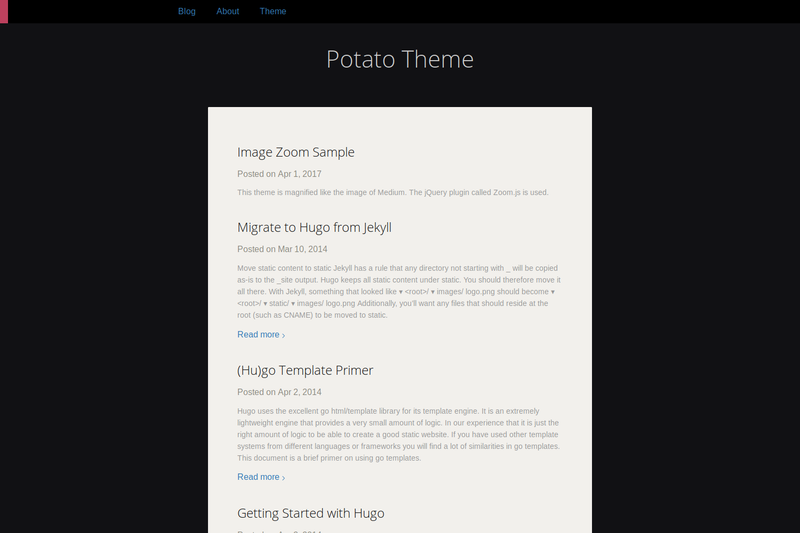
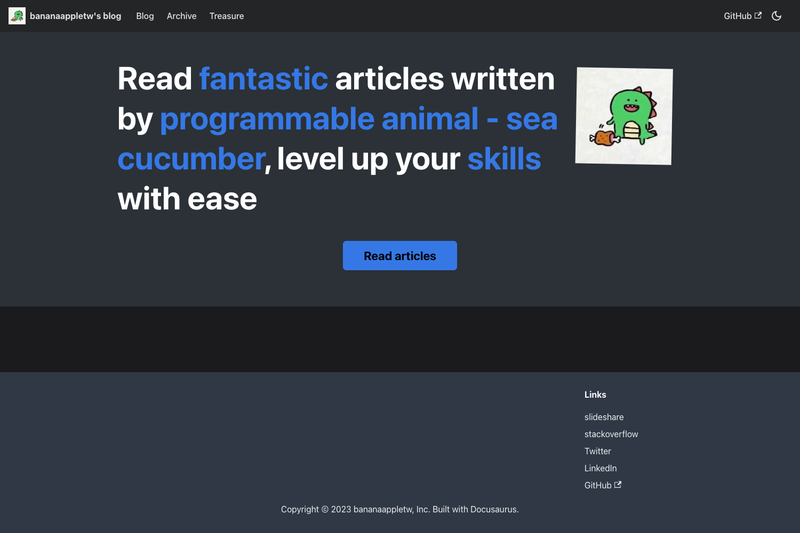
Dark and elegant Hugo theme for blogs with tags, related content, Google Analytics, and image zoom.
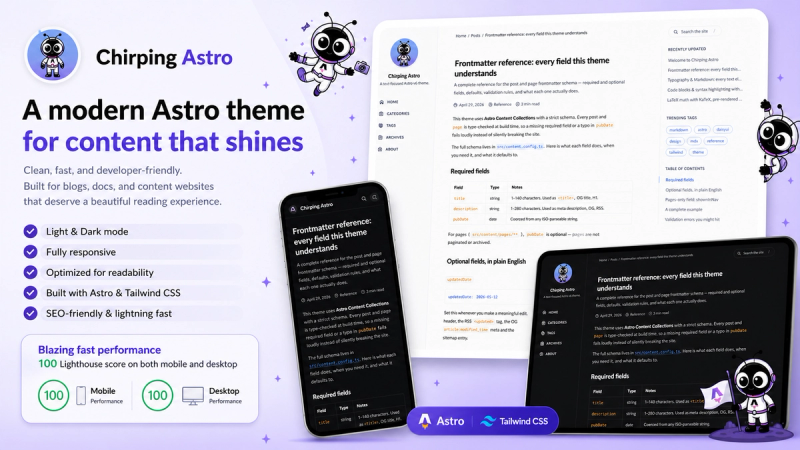
A Chirpy-inspired Astro v7 blog theme with Tailwind CSS v4, daisyUI v5, i18n, Pagefind search, Giscus comments, KaTeX math, and auto OG images.
Gatsby Starter Calpa's Blog is a GatsbyJS v2 starter that generates a complete static blog system with Netlify CMS, Gitalk comments, SEO, and offline support, based on the personal blog of Calpa Liu at calpa.me.
Gatsby Starter Calpa's Blog is a GatsbyJS v2 starter template that turns Markdown files into a static blog site with pagination, tags, guestbook, and stats pages. It takes content as Markdown from /src/content/ or via Netlify CMS and produces a deployable static site with built-in SEO, sitemap, and analytics. The starter is maintained by Calpa Liu, the developer behind calpa.me, and is available on GitHub under a license that accepts pull requests.
After installing Gatsby CLI, run gatsby new to create a project from this starter. Edit the configuration object in data/config with site title, meta descriptions, social usernames, and Gitalk credentials. Write posts as Markdown in /src/content/ or through Netlify CMS. Start the development server with npm start, then open localhost:8000 to preview; deploy using Netlify auto-deploy or npm run deploy for GitHub Pages.
Click the Deploy to Netlify button in the README. It authenticates with GitHub, creates a repository from the template, and automatically builds and deploys the site, bringing you to the blog when finished.
Add a Markdown file to /src/content/ using the expected frontmatter format, or use Netlify CMS admin if configured. The starter's gatsby-transformer-remark plugin parses the Markdown at build time.
Yes. Gitalk loads GitHub issues as comments. You must set clientID, clientSecret, repo, owner, and admin in the gitalk section of data/config for it to work.
The repository is open source and free to use. No pricing is mentioned; you only pay for the hosting service you choose, such as Netlify or GitHub Pages.