Newsletter
Join the Community
Subscribe to our newsletter for the latest news and updates

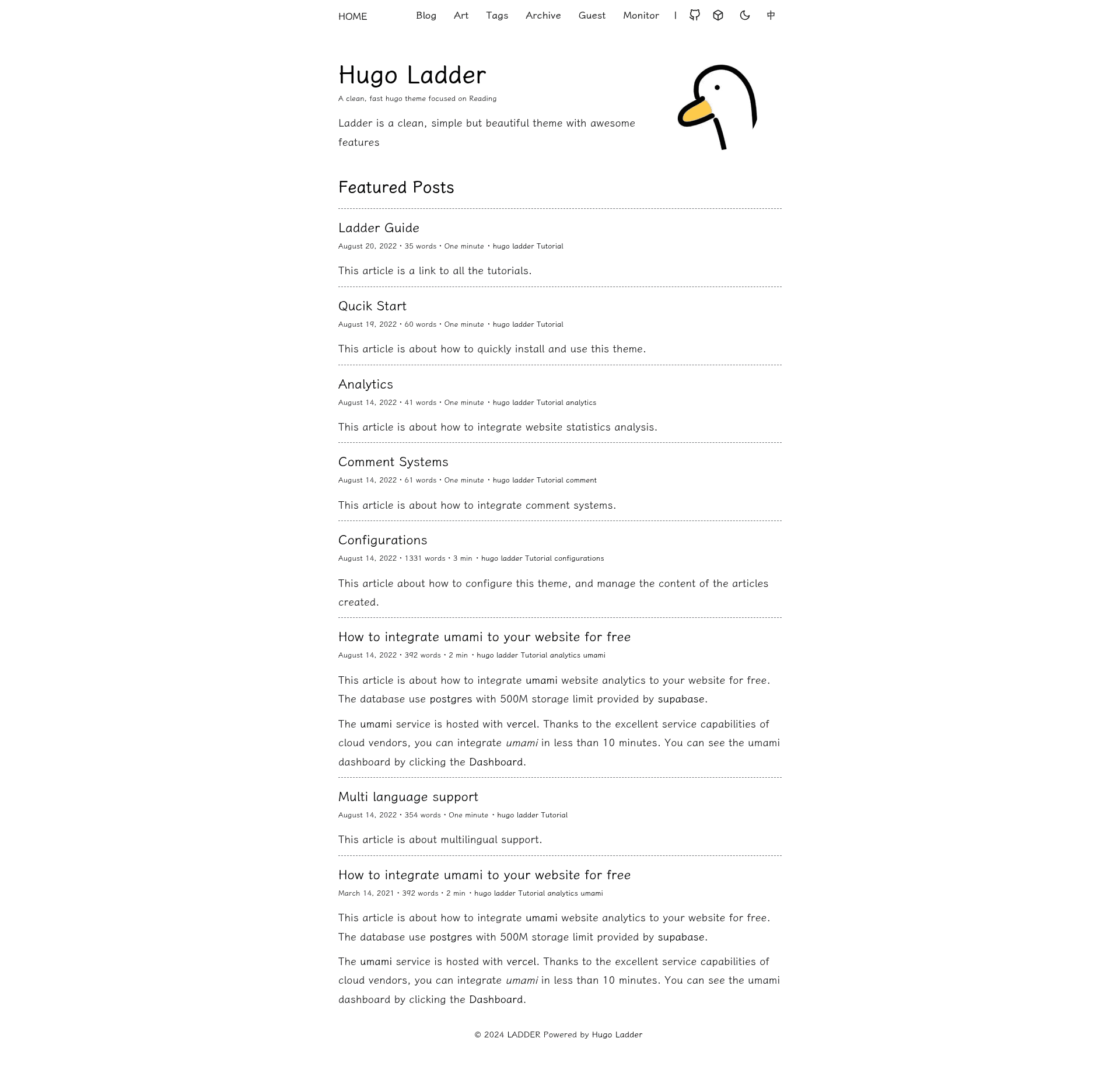
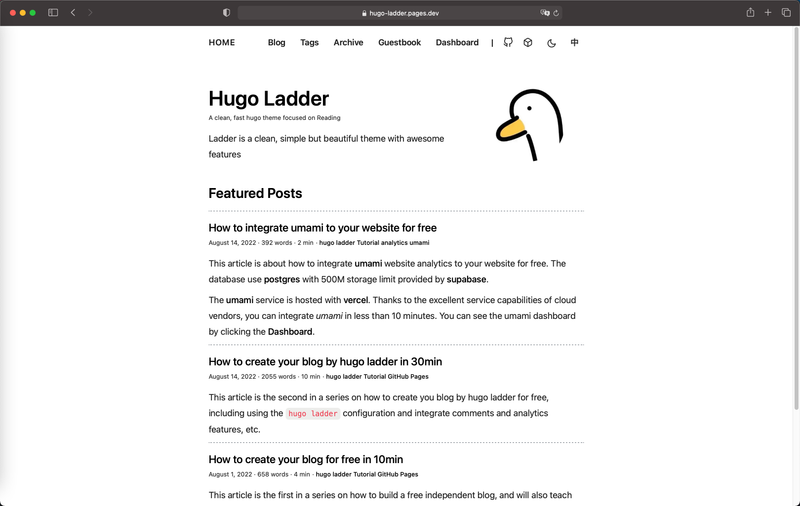
A fast, clean Hugo blog theme with multi-language, dark mode, and mobile support. Now unmaintained, migrated to nextjs-blog-template.
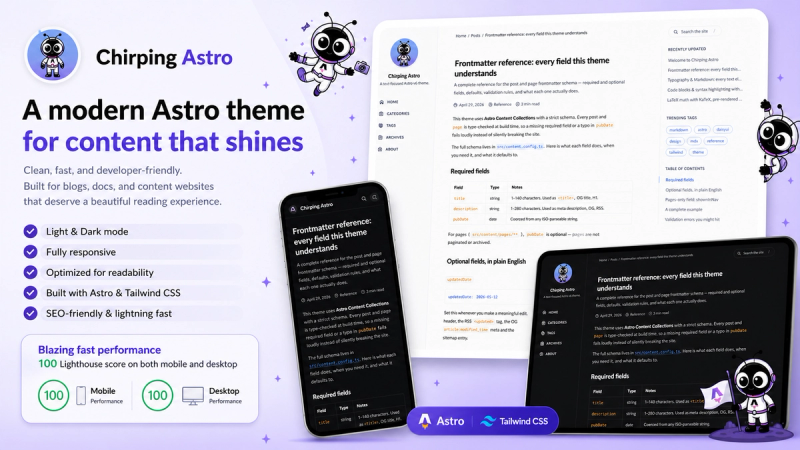
A Chirpy-inspired Astro v7 blog theme with Tailwind CSS v4, daisyUI v5, i18n, Pagefind search, Giscus comments, KaTeX math, and auto OG images.
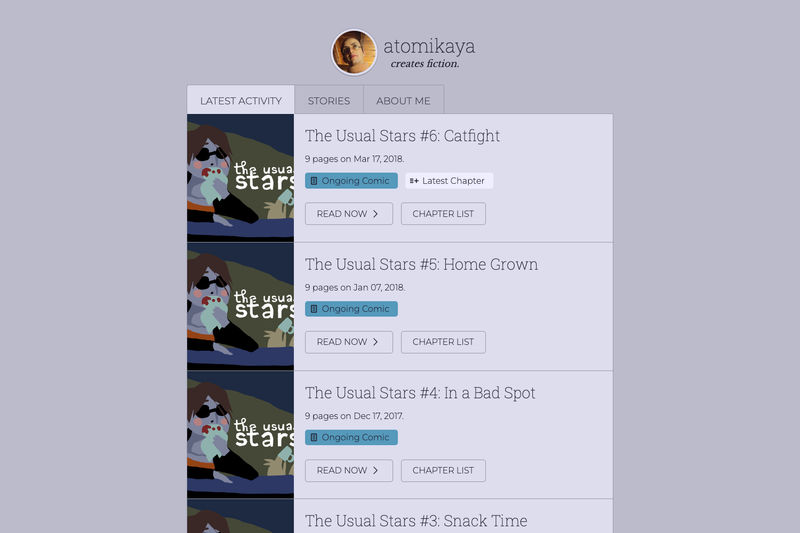
English and french writer. I come here to improve on my writing as well as my regularity.

A pure and simple Hexo blog theme with minimal design, PrismJS highlighting, and feed support.
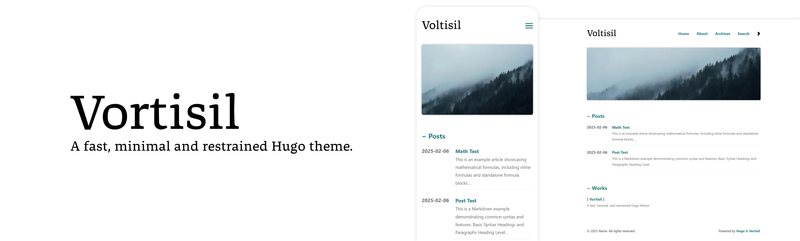
A fast, minimal, and restrained Hugo blog theme with dark/light themes, MathJax, Giscus comments, and GitHub Pages deployment.
Hugo Theme Ladder is a free, open-source Hugo blog theme designed for fast, clean, reading-focused personal sites with multi-language and dark mode support.
Hugo Theme Ladder is a Hugo-based blog theme created by guangzhengli, with a live demo at hugo-ladder.pages.dev. It takes standard Hugo site content (Markdown files, images, config) and renders a static blog with features like dark mode, language switching, and responsive layout. The theme is no longer maintained; the author migrated to a Next.js blog template at github.com/guangzhengli/nextjs-blog-template.
defaultContentLanguage: 'en'); a dedicated multi-language guide is included.showDarkMode option, plus support for multiple dark themes as advertised in the feature badge.The quick start is straightforward: clone the exampleSite repository or use the "Use this template" button, then run hugo server -s exampleSite --themesDir=../.. --disableFastRender. Configure baseURL, author, avatar, and other settings in the YAML config, then push to GitHub Pages. The theme renders Markdown content into static HTML pages.
Free and open source — no cost to use or modify.
No. The repository header states the theme is not supported anymore and points to the nextjs-blog-template migration. Users are advised to migrate for continued updates.
Yes, it is open source under a free license. You can use, modify, and deploy it without paying any fees.
The badge on the repository indicates Hugo version 0.99.0 or higher is needed.
Use the exampleSite repository as a template, rename it to username.github.io, and enable GitHub Pages in the repository settings. Then push your changes and the site is live.