Newsletter
Join the Community
Subscribe to our newsletter for the latest news and updates

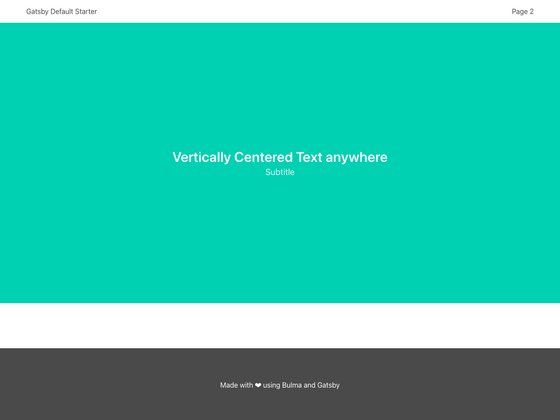
Gatsby v2 boilerplate based on gatsby-starter-default, adding the Bulma CSS framework and Sass preprocessing.
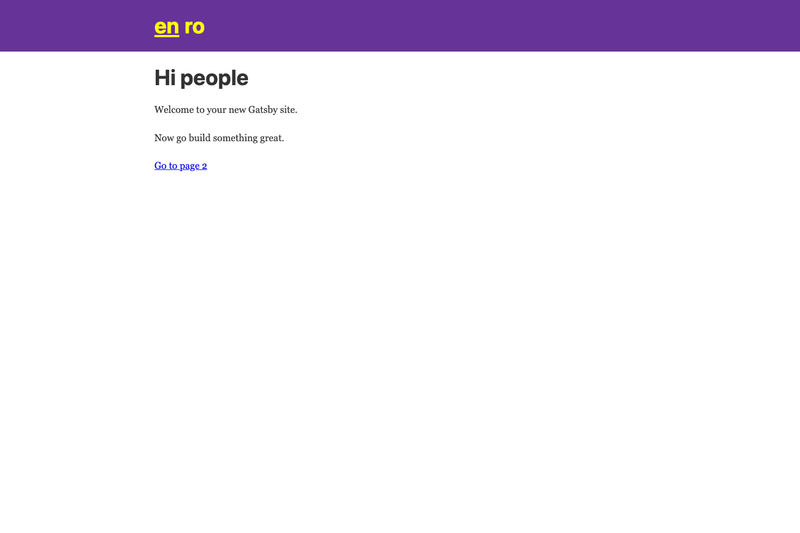
Gatsby starter with i18n/l10n support using js-lingui.
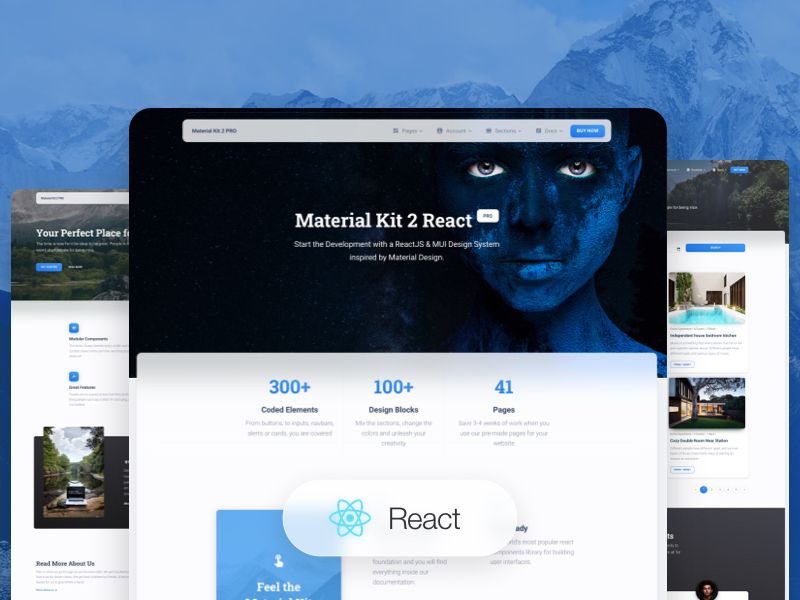
Premium React template with 100+ MUI components and pre-built pages for fast website development.
A Next.js + TypeScript starter built on the Frontend.horse live stream, using Chakra UI for building responsive interfaces.
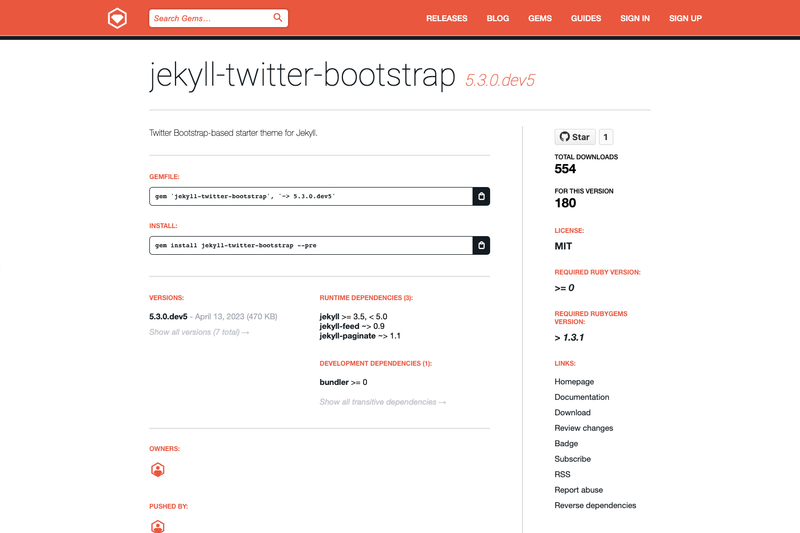
Twitter Bootstrap-based starter theme for Jekyll offering layouts, includes, and components for static sites.
Gatsby Starter with Bulma is a Gatsby v2 boilerplate that packages the official gatsby-starter-default project with the Bulma CSS framework and Sass preprocessing. It is a starting point for building static websites and blogs with Gatsby, giving you a preconfigured styling stack so you can focus on content and structure rather than tooling setup. The template lives in the xydac/xylo-gatsby-bulma-starter repository and is designed to be deployed to Netlify with one click.
Gatsby Starter with Bulma is a starter (boilerplate) for Gatsby v2 static sites. It takes no input beyond using the repository as a template; it produces a complete Gatsby project with a working layout, styling via Bulma, and Sass compilation configured. It runs on Gatsby v2 and is maintained by the xydac user on GitHub. It is explicitly based on gatsby-starter-default, so it inherits that starter's default structure, including pages and layout components.
npm run develop, and begin editing pages and styles immediately.After getting a copy of the repository, you run npm run develop to start the Gatsby development server. For production, you can build the site with Gatsby's standard build command and host the resulting static files anywhere. The Netlify deploy button automates the entire pipeline: Netlify imports the repo, runs the build, and hosts the output.
Yes, this is an open-source starter based on gatsby-starter-default, which is released under the MIT license. The repository is public on GitHub.
The repository description states it is a "Gatsby v2 Starter," so it targets Gatsby v2.
Yes, Bulma is included as a dependency and is ready to use in components. You can also customize its variables through the Sass setup.
Yes, because Gatsby produces static files, you can host the built site on any static hosting service, including Netlify, Vercel, or GitHub Pages. The provided one-click button specifically targets Netlify, though.