Newsletter
Join the Community
Subscribe to our newsletter for the latest news and updates

Landing page template based on Nextjs and TailwindCss

A Next.js + TypeScript starter built on the Frontend.horse live stream, using Chakra UI for building responsive interfaces.

Gatsby v2 boilerplate based on gatsby-starter-default, adding the Bulma CSS framework and Sass preprocessing.
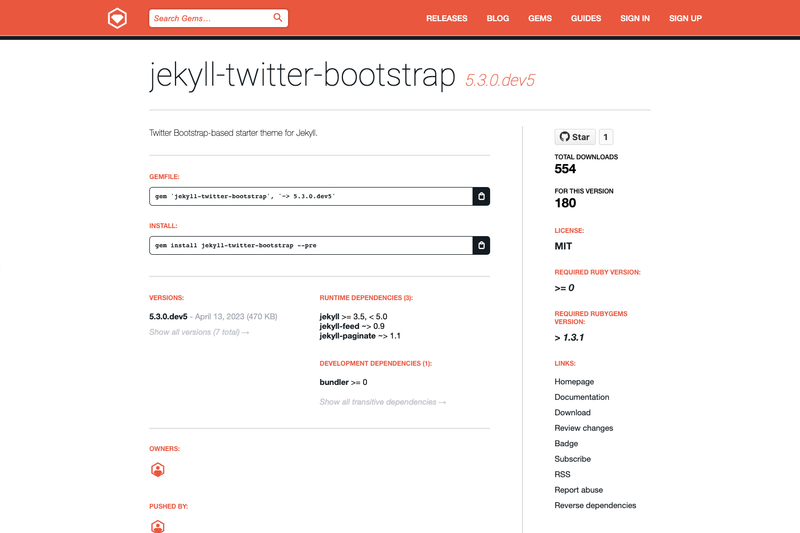
Twitter Bootstrap-based starter theme for Jekyll offering layouts, includes, and components for static sites.

A Nuxt 3 static-site template that auto-generates a compliant placeholder website (with scraped content) for China's ICP filing review.
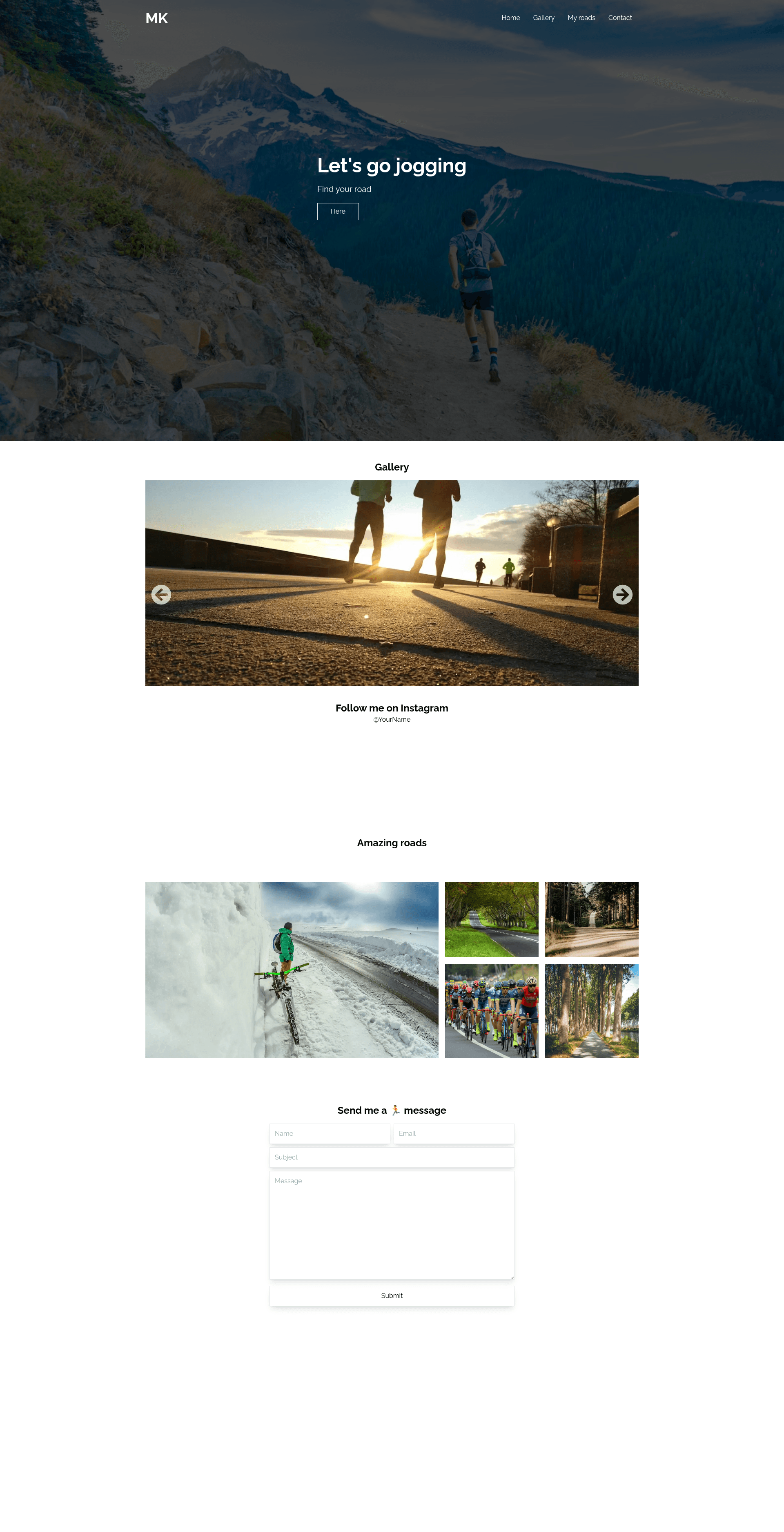
Nextjs Tailwind Landing Page is an open-source landing page template built with Next.js, TypeScript, and Tailwind CSS that ships with a responsive layout, a sticky navbar, and an image slider.
Nextjs Tailwind Landing Page is a starter template for building responsive landing pages on the Next.js framework. It takes in your content — such as images for the slider and portfolio grid — and renders a complete page with navigation, hero sections, and a gallery. The project is written in TypeScript and styled entirely with Tailwind CSS utility classes, and it is designed to be deployed on Vercel. The template was inspired by a tutorial from Clint Briley, and the repository includes component examples under the components directory, such as NavigationBar/NavBar.tsx and Slider/Slider.tsx.
It uses Next.js as the React framework, TypeScript for type checking, and Tailwind CSS for styling. The template is deployable to Vercel and uses standard Next.js image components for optimized images.
Yes, it is open-source and hosted on GitHub; the repository is publicly available. The template is based on a tutorial project and can be freely used and modified.
Yes, the layout is built with Tailwind CSS responsive utility classes, so it adjusts across mobile, tablet, and desktop screen sizes.
The navigation bar listens to the window scroll event and toggles its background color from transparent to white when the scroll position reaches 90 pixels. This is handled in the NavBar component with React's useEffect hook.
Yes, the Slider component accepts a slides prop and renders a gallery section. You can replace the slide images and captions in the SliderData array.