Newsletter
Join the Community
Subscribe to our newsletter for the latest news and updates

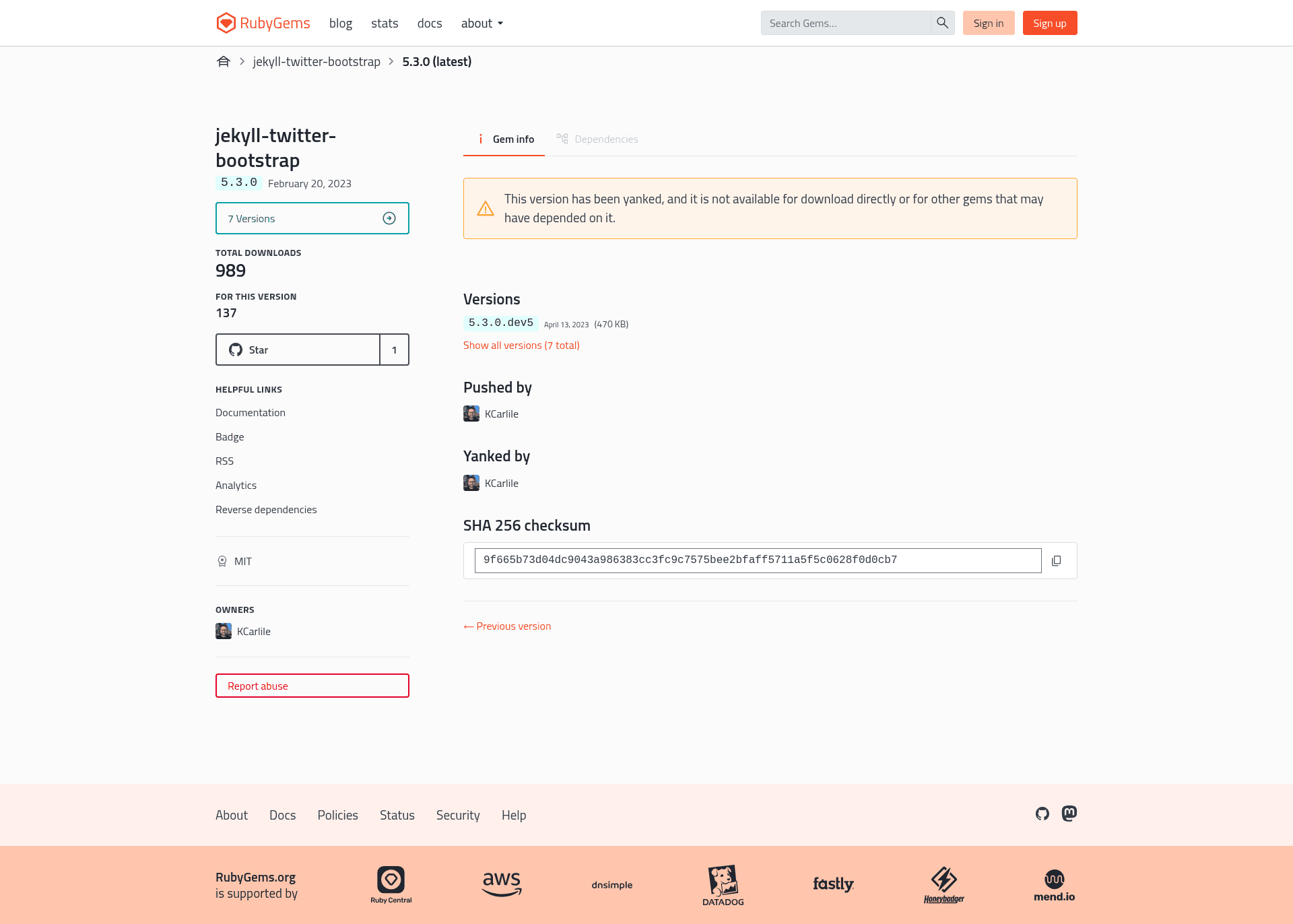
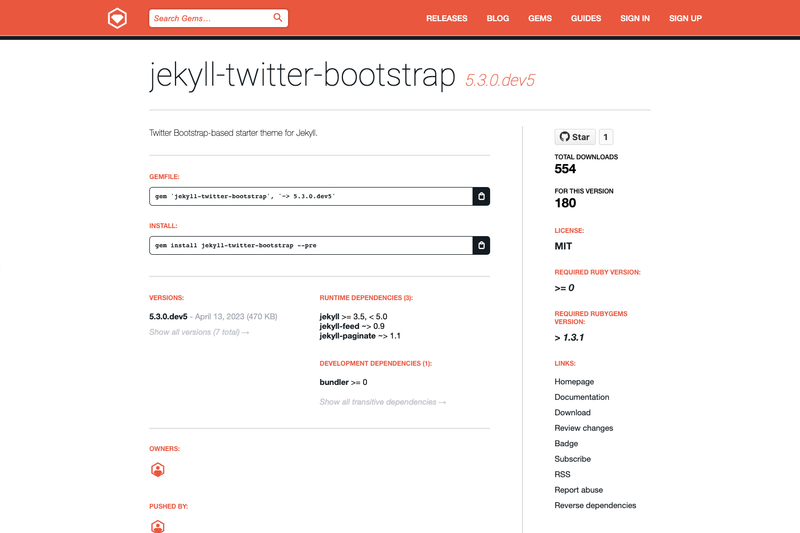
Twitter Bootstrap-based starter theme for Jekyll offering layouts, includes, and components for static sites.
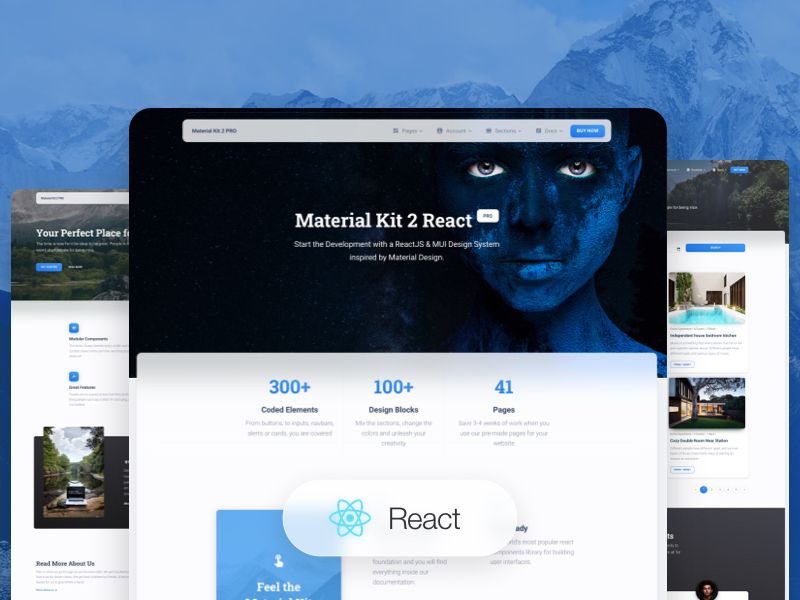
Premium React template with 100+ MUI components and pre-built pages for fast website development.
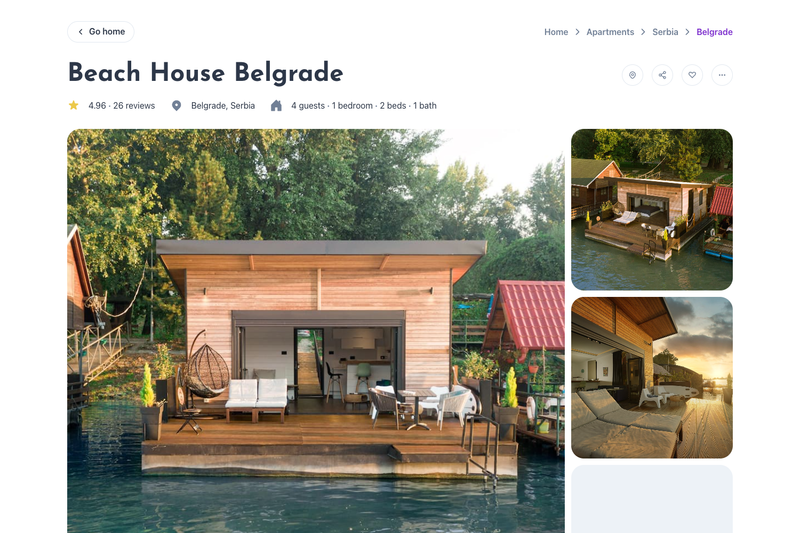
A Next.js + TypeScript starter built on the Frontend.horse live stream, using Chakra UI for building responsive interfaces.
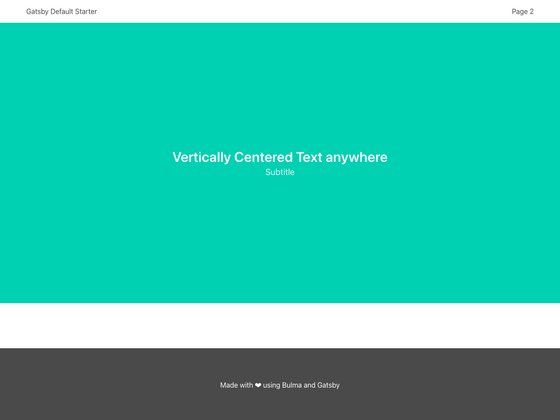
Gatsby v2 boilerplate based on gatsby-starter-default, adding the Bulma CSS framework and Sass preprocessing.
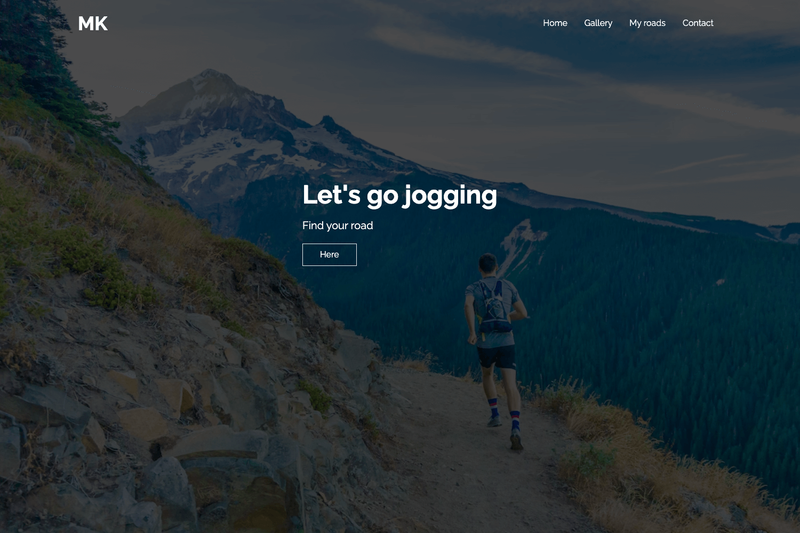
Landing page template based on Nextjs and TailwindCss
Jekyll Twitter Bootstrap is a Jekyll theme from developer Kenny Carlile that pairs Jekyll with Twitter's Bootstrap 5.3.0 to give you a ready-made static site structure rather than starting from an empty repository. This theme is distributed as a Ruby gem and provides layouts, includes, and components so you can build pages, blog posts, and landing sections without handwriting custom CSS.
Jekyll Twitter Bootstrap is a Jekyll theme released under the MIT License that wraps Bootstrap 5.3.0 into a set of template files for the Jekyll static site generator. It accepts standard Jekyll content (markdown pages, posts, configuration) and outputs a static HTML site with Bootstrap loaded via CDN and local override CSS in the assets directory. The theme is authored by Kenny Carlile and is at version 5.3.0.dev, with source on GitHub and distribution through RubyGems.
assets/css/ let you override or extend the framework's default styles.base.html is the root template; from it derive page_sidebar.html (main content plus a sidebar), page.html (title and body), and page_no_title.html (body only), with blog-specific blog.html, post.html, example_components.html, and home.html wrapping those base layouts._includes/_components/ directory contains carousel, three-column icon columns, icon grids, image cards, featurettes, centered and dark heroes, hero with image, and full-width or split jumbotrons, all modeled on Bootstrap's example components.sidebar: [categories, tags], and the theme ships categories.html, tags.html, post_categories.html, and post_tags.html for those sidebars.head_custom.html, header_custom.html, and footer_custom.html allow you to add site-specific code without editing the theme files.google_analytics.html include activates when a GA tracking ID is present in _config.yml and is suppressed per page with ga_do_not_track: true.blog/index.html, categories/index.html, and tags/index.html files from the repository's examples to get a paginated post list with category and tag sidebars.hero_centered.html, featurette_left.html, or columns_icons.html inside a page to assemble a marketing layout.posts_latest.html include with a posts_count parameter to display excerpts of the most recent posts on any page.Installation is standard for a Jekyll theme: add gem "jekyll-twitter-bootstrap" to your Gemfile, set theme: jekyll-twitter-bootstrap in _config.yml, run bundle, then serve with bundle exec jekyll serve. The theme is structured as a normal Jekyll site, so you add content under _posts, _layouts, and assets just as you would for any Jekyll project. During development, the theme regenerates on changes so you can preview edits in the browser.
Bootstrap provides ready-made styling utilities and components that reduce the amount of custom CSS you need to write. Combining it with Jekyll lets you serve a static site quickly while still having the flexibility to customize the theme through override files and configuration.
No, but the theme's author notes that at the time of creation, other Bootstrap Jekyll themes lacked the maturity he needed or were built on older Bootstrap versions. This theme is based on Bootstrap 5.3.0 and is actively maintained on GitHub.
Rename blog/index.html to articles/index.html, update its front matter title to "Articles" (keeping layout: blog), then adjust _config.yml entries header_pages, paginate_path, and permalink to use the new path (e.g., /articles/:num). The layout itself can remain named blog if you don't need to override it.
The theme is open source under the MIT License, so you can use it commercially, modify it, and redistribute it with attribution.