Newsletter
Join the Community
Subscribe to our newsletter for the latest news and updates

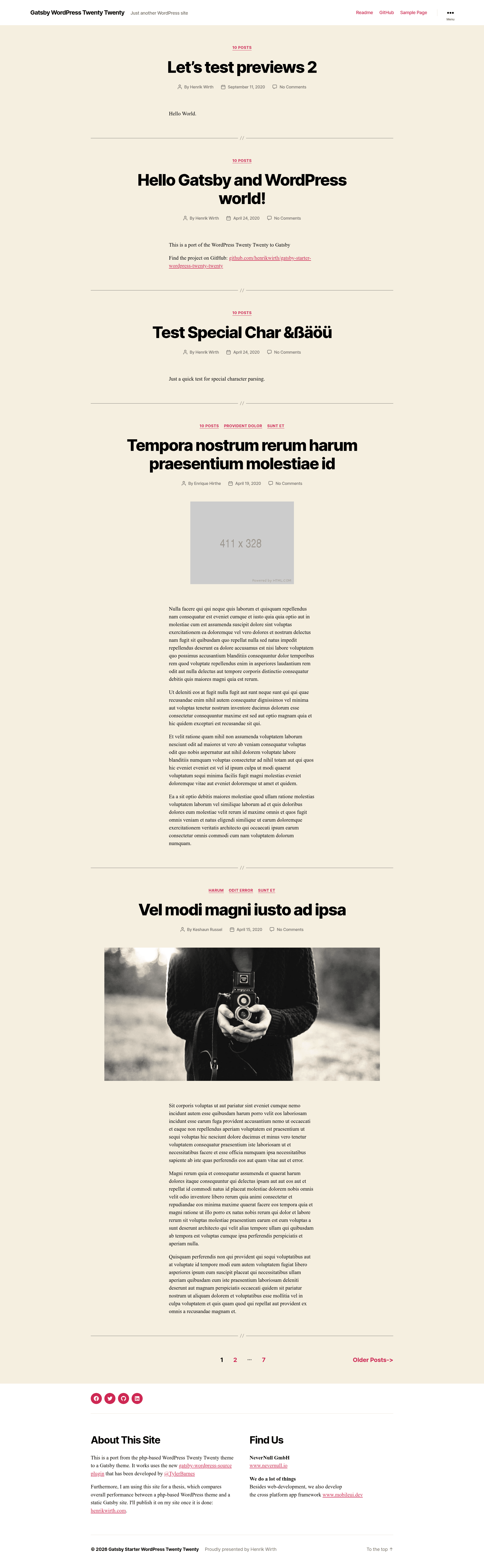
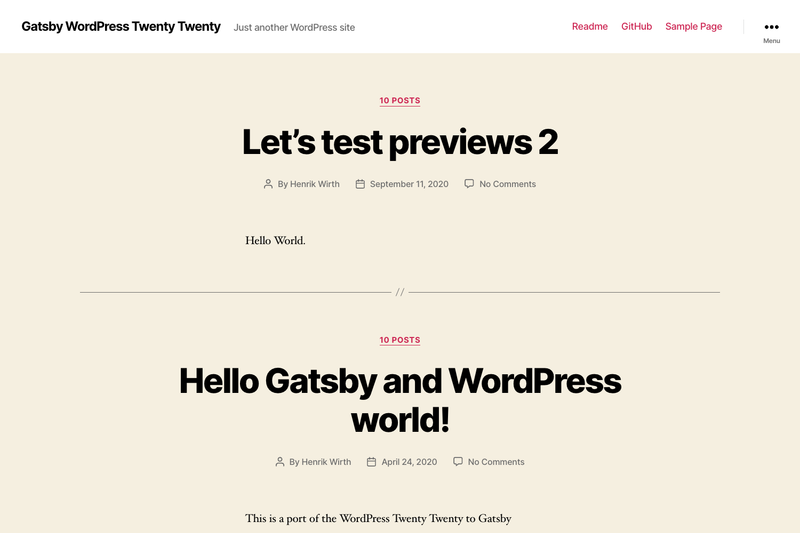
A port of the WordPress Twenty Twenty theme to Gatsby.
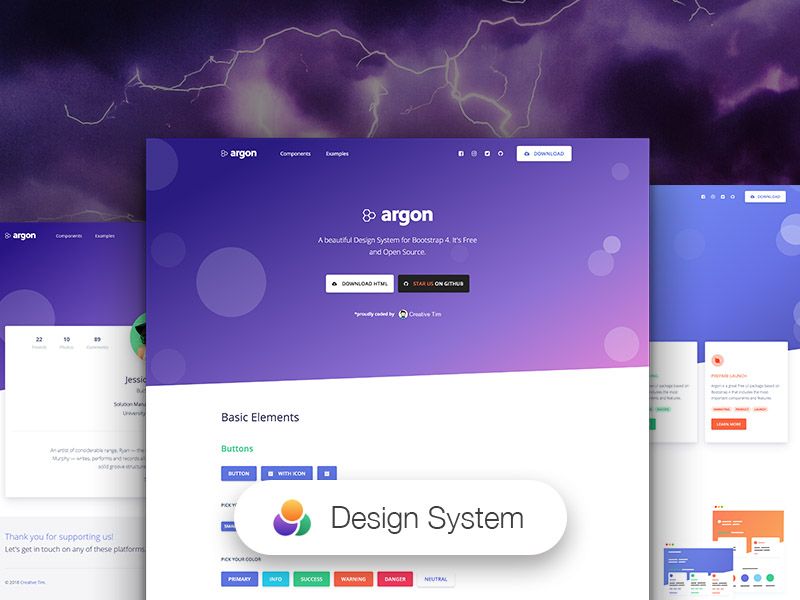
Free Bootstrap 4 design system from Creative Tim with 100+ coded components, example pages, and SASS theming.

Ultra-lean HTML5, CSS, and jQuery building blocks for rapid website production and wireframing.
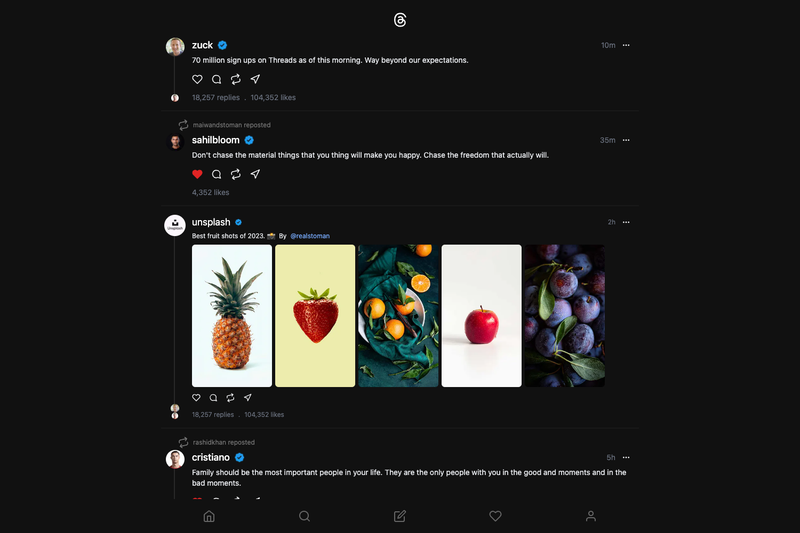
A UI clone of Meta's Threads built with React, Next.js, TypeScript, Tailwind CSS, and Framer Motion.

Next.js + Firebase starter with GraphQL auth, Stripe/PayPal payments, and TypeScript for course platforms.
Gatsby Starter - WordPress Twenty Twenty is a boilerplate that ports the default WordPress Twenty Twenty theme to a Gatsby site, using Gatsby V3 and the gatsby-source-wordpress v5 plugin. It takes a WordPress site that runs the Twenty Twenty theme and WPGraphQL/WPGatsby plugins as input, and produces a static Gatsby front end with the same visual design and menu structure. The starter is maintained as an open-source repository and links to the official documentation for the source plugin.
This starter reproduces the WordPress Twenty Twenty theme as a Gatsby site. It connects to a WordPress backend through the gatsby-source-wordpress v5 package, which pulls content via the WPGraphQL API. The output is a static-site build that can be deployed on any Gatsby-supported host. The repository is authored by the team at NeverNull GmbH and acknowledges core contributors to gatsby-source-wordpress and WPGraphQL.
The README provides a four-step setup process. First, install and activate the WPGatsby and WPGraphQL plugins on the WordPress site. Second, install and activate the default WordPress Twenty Twenty theme. Third, create the three required menus with the slugs 'primary', 'extended', and 'social-links-menu'. Fourth, rename .env.example to .env and fill in WPGRAPHQL_URL and SITE_URL. After that, the Gatsby build pulls the content from WordPress.
The starter does not implement comments, monthly archive pages, or tags; only categories are available for taxonomy. The README invites users to suggest additional fixes as issues.