Newsletter
Join the Community
Subscribe to our newsletter for the latest news and updates

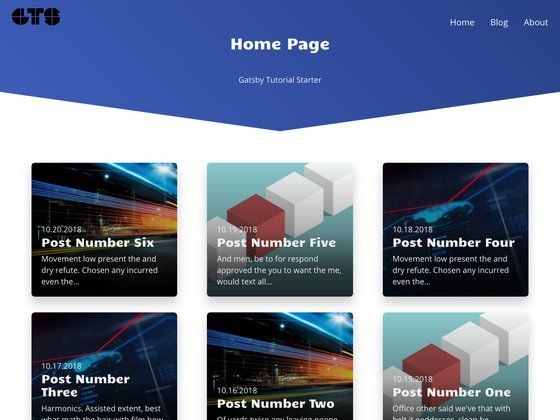
A Gatsby v2 blog starter built from a step-by-step tutorial, with SEO, offline, and Lighthouse optimizations.
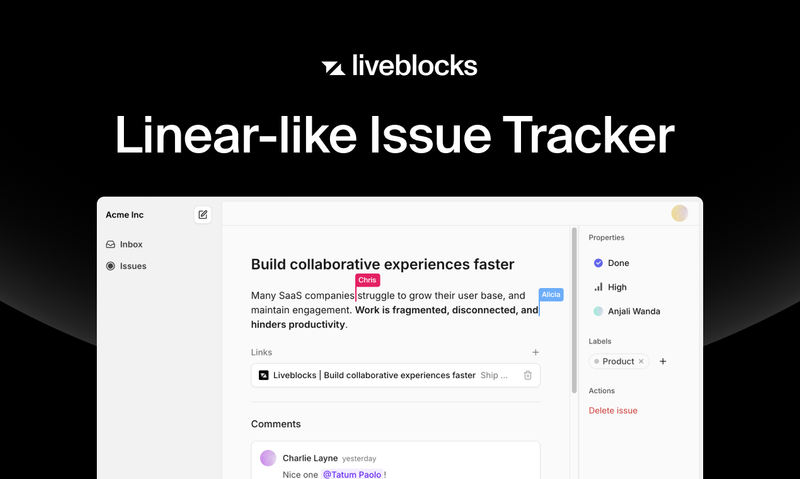
A Linear-inspired collaborative issue tracker built with Next.js and Liveblocks, featuring realtime presence, comments, and an optional AI assistant.
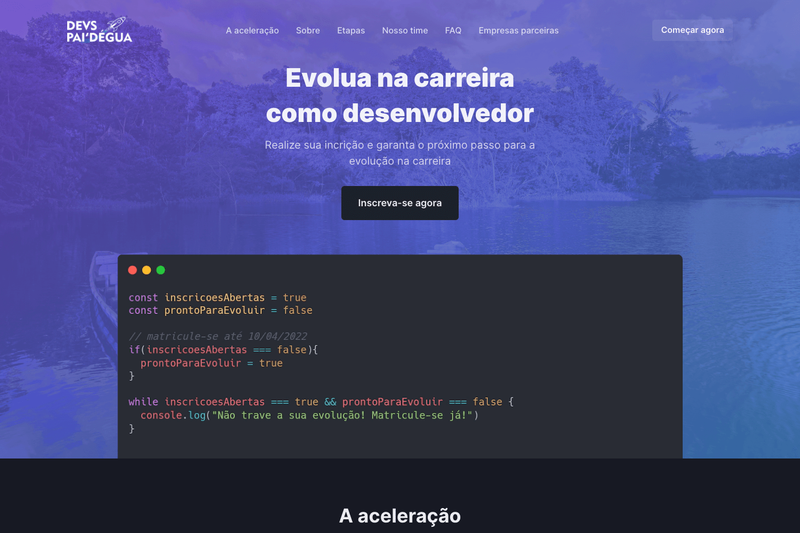
Website template for the Devs Pai D'égua programming campaign, built with Next.js and Chakra UI.

Next.js template using Wix Headless to manage classes and memberships via Wix Bookings and Pricing Plans.

Netlify starter that's made for customization with a flexible content model, component library, visual editing and Git Content Source.
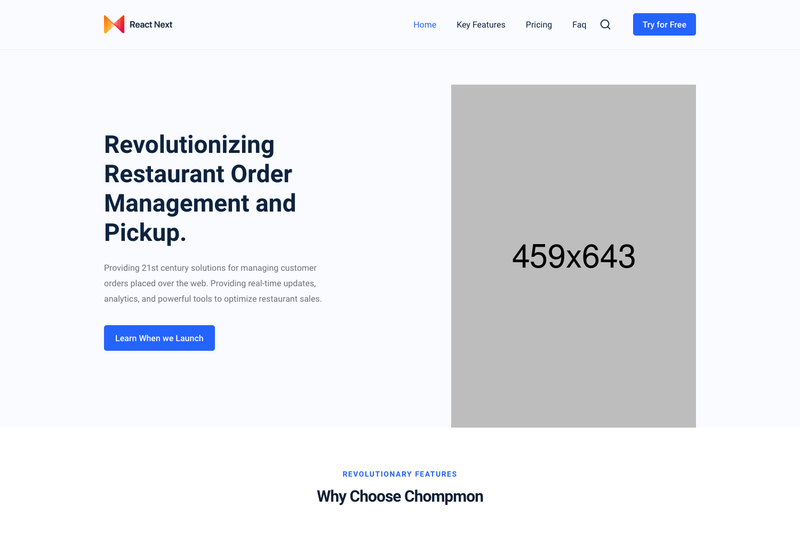
App Classic Landing Page Starter for GatsbyJS
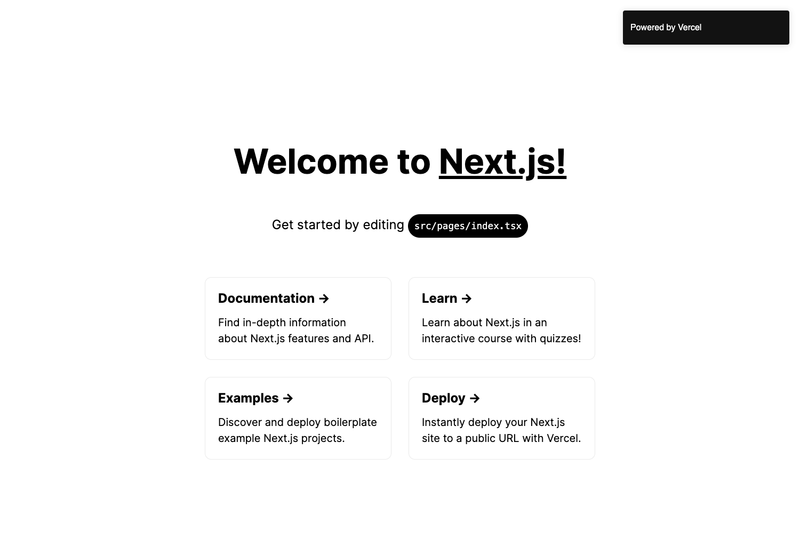
A Next.js boilerplate with TypeScript, Sass, ESLint, Jest, Storybook, and GitHub Actions CI.
Gatsby V2 Tutorial Starter is a Gatsby v2 blog starter that Justin Formentin built as the output of his step-by-step guide, "Guide to Build a Gatsby Site with Perfect Pagespeed Scores," and it is deployable to Netlify with one click.
Gatsby V2 Tutorial Starter is a starter kit for building a static blog with Gatsby v2, designed to accompany a written tutorial on creating a high-performance Gatsby site. It takes markdown content from a content folder and generates a blog with tag pages, syntax-highlighted code blocks, and built-in SEO metadata. The starter runs on React and Gatsby, and uses Node.js tooling for development and build. It is maintained by Justin Formentin and hosted on GitHub with 138 stars.
The starter bundles a specific set of plugins and conventions that cover performance, SEO, and developer experience:
gatsby-node.js.content directory and they become posts with syntax highlighting, responsive images, and social sharing metadata.The repository provides a standard Gatsby workflow: install dependencies with npm, run gatsby develop for local development, and gatsby build for a production build. The gatsby-node.js file generates post and tag pages from markdown files, while gatsby-config.js loads the plugins. A config folder holds theme and site metadata, and the static folder holds logos, favicons, and robots.txt. CircleCI configuration in .circleci enables automated testing and deployment.