Newsletter
Join the Community
Subscribe to our newsletter for the latest news and updates

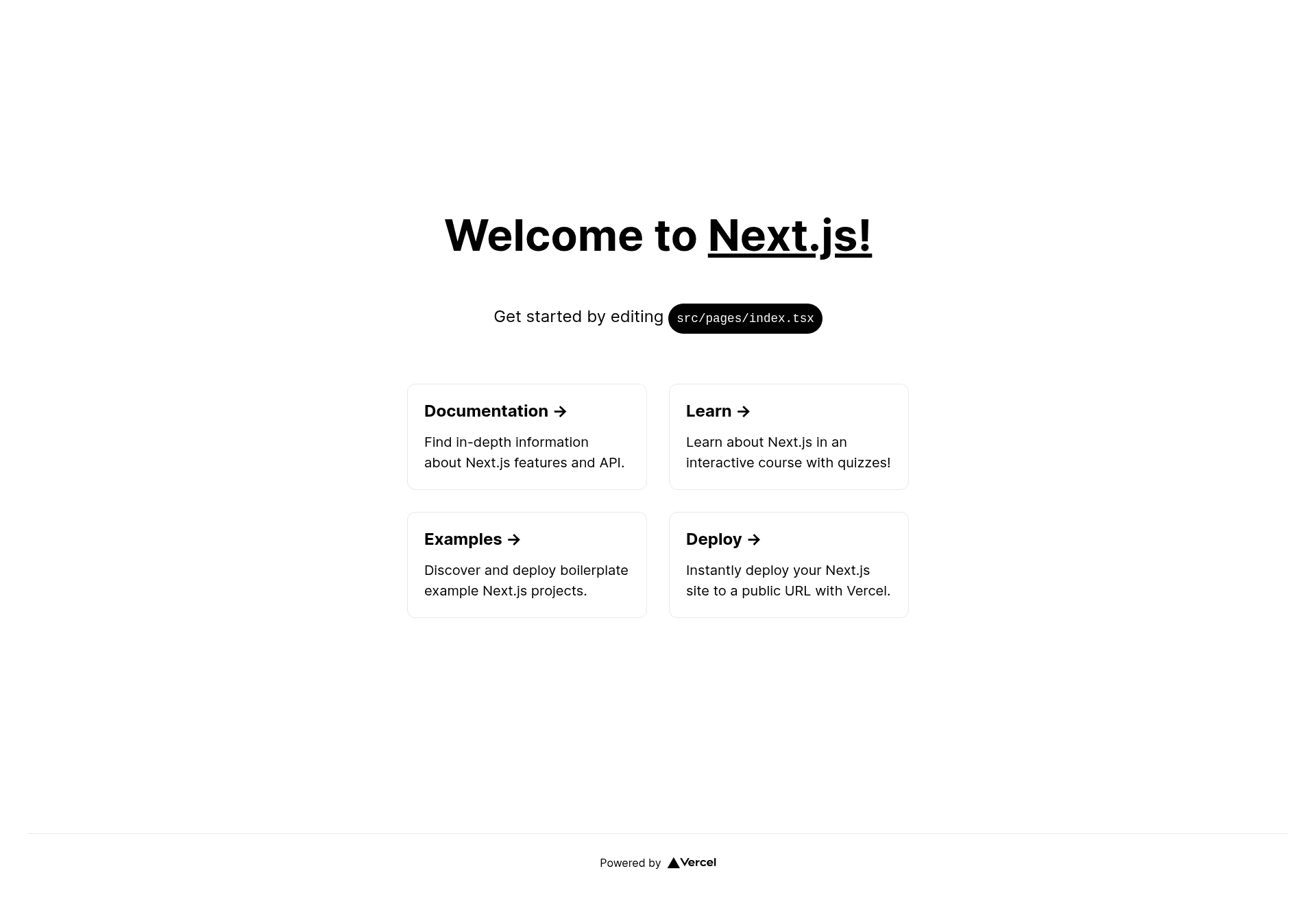
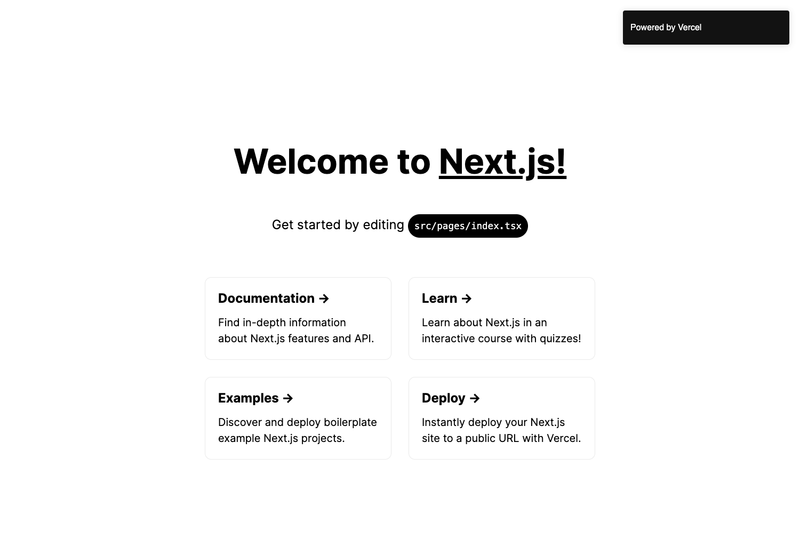
A Next.js boilerplate with TypeScript, Sass, ESLint, Jest, Storybook, and GitHub Actions CI.
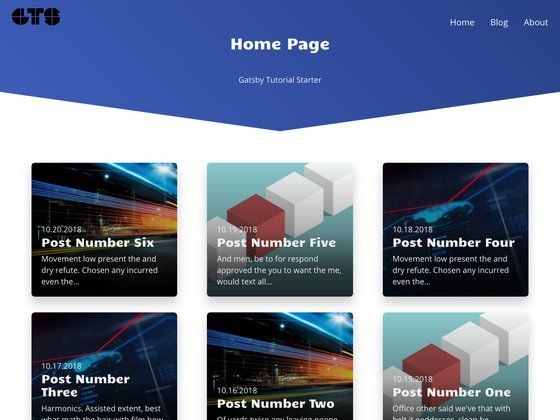
A Gatsby v2 blog starter built from a step-by-step tutorial, with SEO, offline, and Lighthouse optimizations.
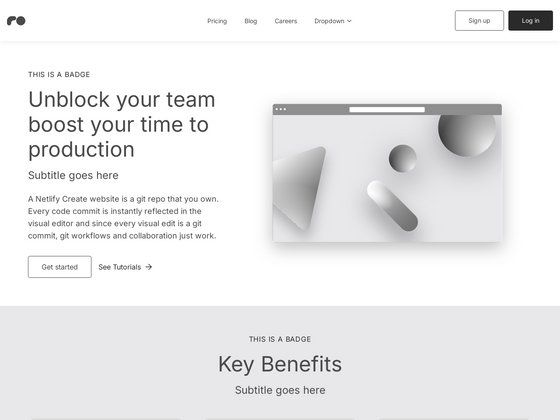
Netlify starter that's made for customization with a flexible content model, component library, visual editing and Git Content Source.
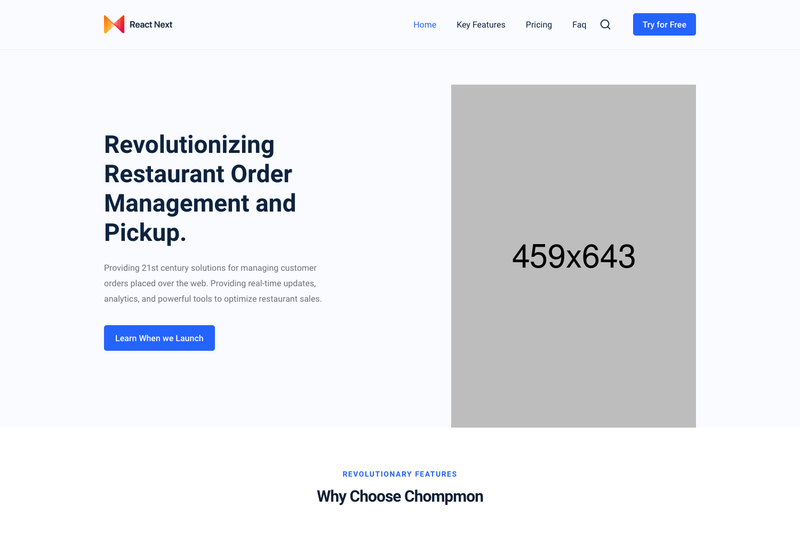
App Classic Landing Page Starter for GatsbyJS

Open-source real estate web application built with Next.js and Chakra UI, using the Bayut API for property listings.
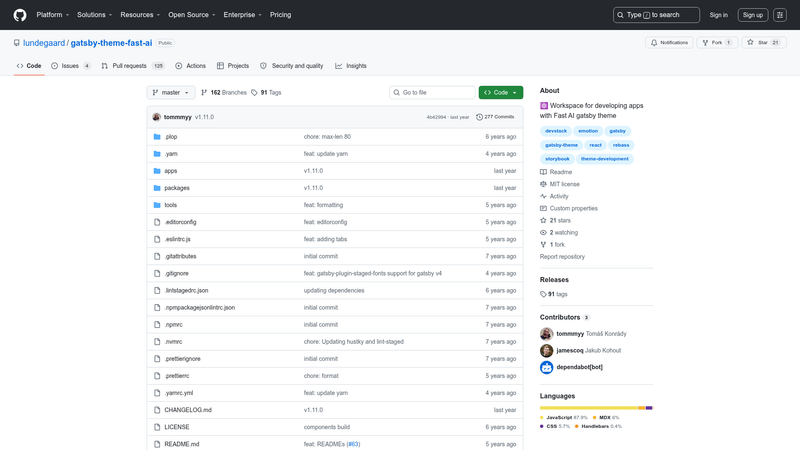
Workspace for developing Gatsby apps with the Fast AI theme, including UI components, plugins, and demo apps.
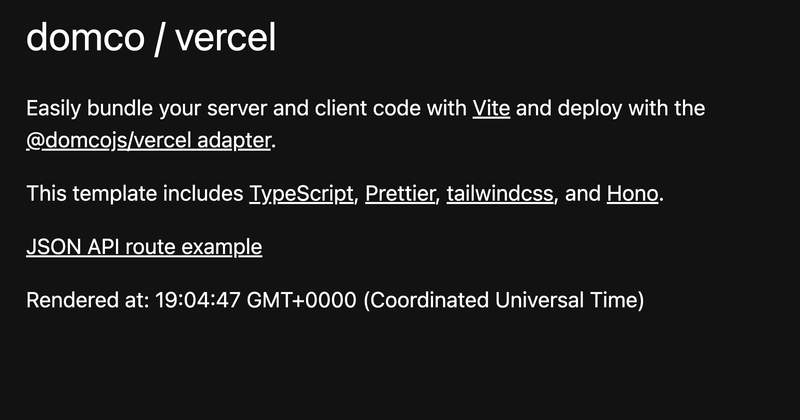
Minimal React + TypeScript + Vite starter with HMR and ESLint, ready to deploy on Vercel.
Next Ts Setup is a GitHub boilerplate that scaffolds a Next.js application with TypeScript, Sass, ESLint, Jest, Storybook, and GitHub Actions CI.
Next Ts Setup is a starter template for building Next.js applications with a pre-configured TypeScript toolchain, Sass for styling, ESLint for code quality, Jest with Testing Library for unit tests, and Storybook for component development. It runs on the Next.js React framework and is published on GitHub by user Gabb-c. The template takes a fresh clone as input and produces a working Next.js project with three GitHub Actions workflows that run build, lint, and test on every push.
npm run dev to get a live Next.js app at localhost:3000 with hot reload.The template is used by cloning the repository from GitHub. After that, you run npm install or yarn --check-files to install dependencies, then npm run dev to start the development server. The default page lives in src/pages/index.js, and edits to it hot-reload in the browser. The GitHub Actions workflows trigger automatically on pushes to run build, lint, and test checks.
Yes. The repository is open source and the README displays a GitHub license badge; it can be cloned and used without payment.
Yes. The repository name and description indicate a Next.js setup using TypeScript, and the template ships with a TypeScript toolchain configured for the project.
After installing dependencies with npm install or yarn --check-files, run npm run dev or yarn dev and open http://localhost:3000.
Jest and @testing-library are preconfigured in the template, and a GitHub Actions workflow runs the test suite automatically.