Newsletter
Join the Community
Subscribe to our newsletter for the latest news and updates

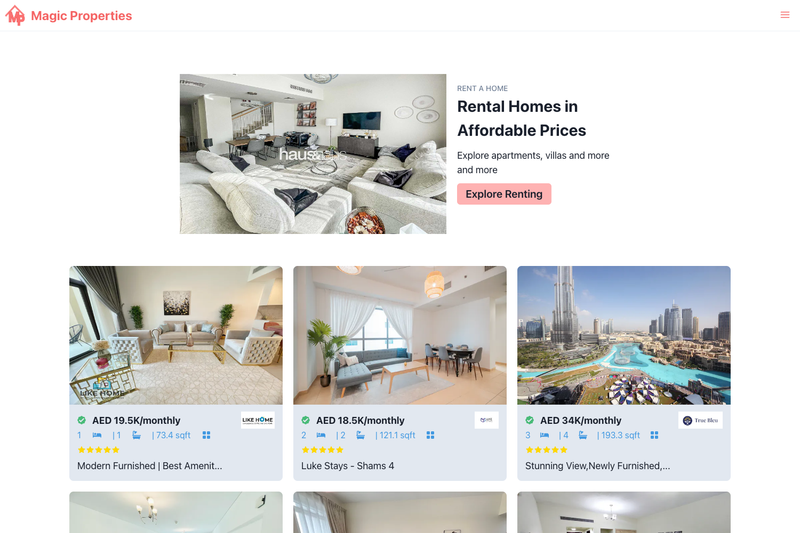
Open-source real estate web application built with Next.js and Chakra UI, using the Bayut API for property listings.
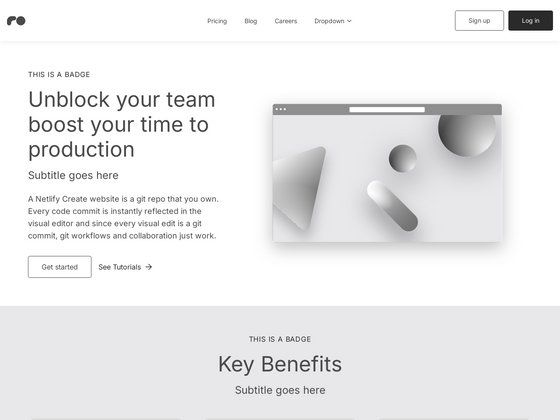
Netlify starter that's made for customization with a flexible content model, component library, visual editing and Git Content Source.
App Classic Landing Page Starter for GatsbyJS
A Next.js boilerplate with TypeScript, Sass, ESLint, Jest, Storybook, and GitHub Actions CI.
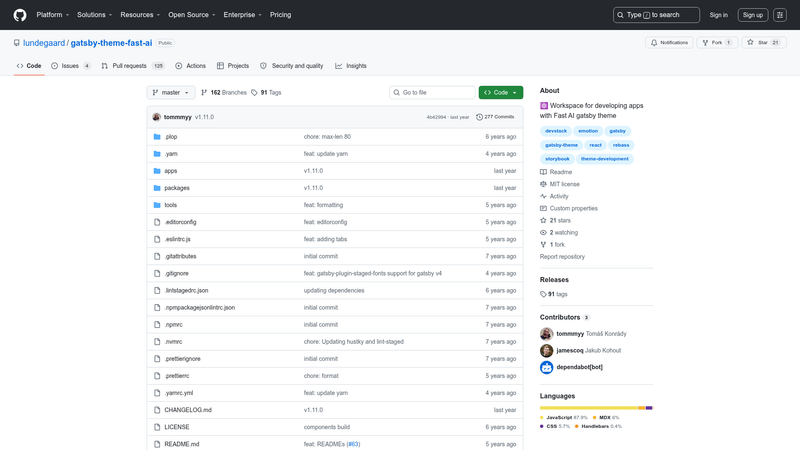
Workspace for developing Gatsby apps with the Fast AI theme, including UI components, plugins, and demo apps.
Minimal React + TypeScript + Vite starter with HMR and ESLint, ready to deploy on Vercel.
Real Estate Web App is an open-source real estate web application boilerplate built with Next.js and Chakra UI that uses the Bayut API to display property listings. This repository was created for Hacktoberfest 2022, is open to contributions, and is live at a Vercel deployment, making it a ready starting point for anyone building a property search site.
Real Estate Web App is a GitHub project that combines a Next.js v12.1 server-rendered frontend with Chakra UI v2.2.1 for responsive styling and the Bayut API (accessed through RapidAPI) for real estate data. The app takes property listing data from Bayut and presents it in a searchable, responsive web interface. It is deployed on Vercel and the live demo is linked in the repository. The project includes a Figma UI prototype named "Magic Properties" that defines the intended layout, and it is maintained by a small team of contributors listed in the README.
npm run dev and npm i setup commands.Real Estate Web App is for developers who want a functional real estate listings site without building from scratch. It is also useful for Hacktoberfest contributors seeking a small, well-documented open source project to practice pull requests. Freelancers and startups needing a demo of a property portal can use the deployed version and codebase as a starting point.
npm i, and run the app locally with npm run dev to get a working property listing site.The app uses Next.js server-side rendering to generate pages, and property data is pulled from the Bayut API through RapidAPI. After cloning, you install dependencies and start the development server; the README links to the Next.js docs, Chakra UI getting-started guide, Bayut API page, and Vercel deployment docs for further setup.
Yes, the repository is public and open source. It was created as a Hacktoberfest 2022 project, and the README invites anyone to create a pull request to participate.
You need Node.js and npm. Clone the repository, run npm i, then run npm run dev. The README lists these as the only commands required.
It uses the Bayut API for property details, accessed through RapidAPI. The README links to the Bayut API listing on RapidAPI as a resource.
Yes. The project explicitly accepts contributions and describes the accepted types: changing the UI/design, adding functionality, or fixing any typo. The contribution steps are documented in the README.