Newsletter
Join the Community
Subscribe to our newsletter for the latest news and updates

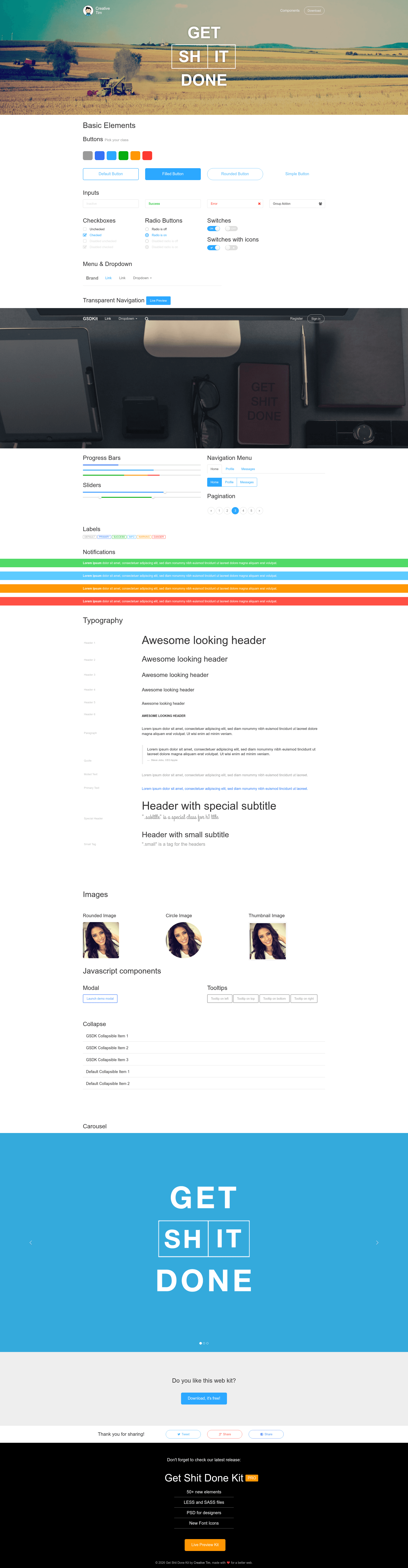
Free Bootstrap 3 UI kit by Creative Tim with styled components, example pages, and SASS source files.
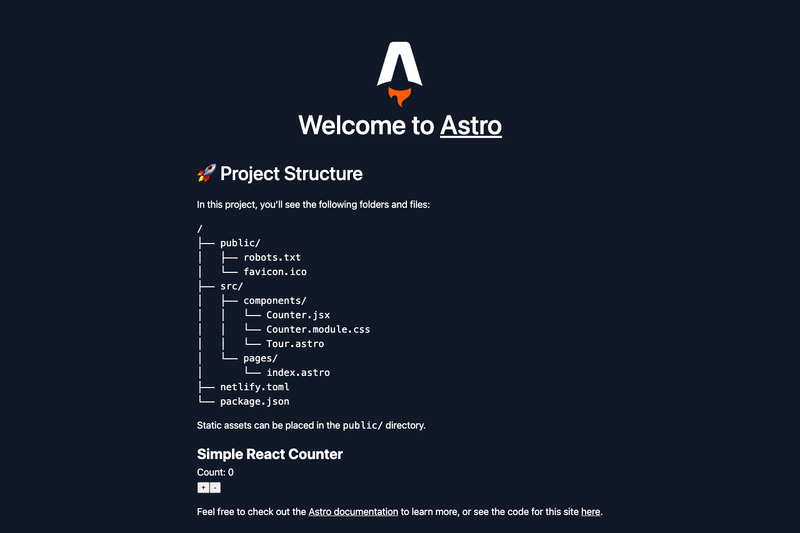
Astro + Netlify Starter is a boilerplate for launching Astro static sites on Netlify with a preconfigured netlify.toml and an example React component.
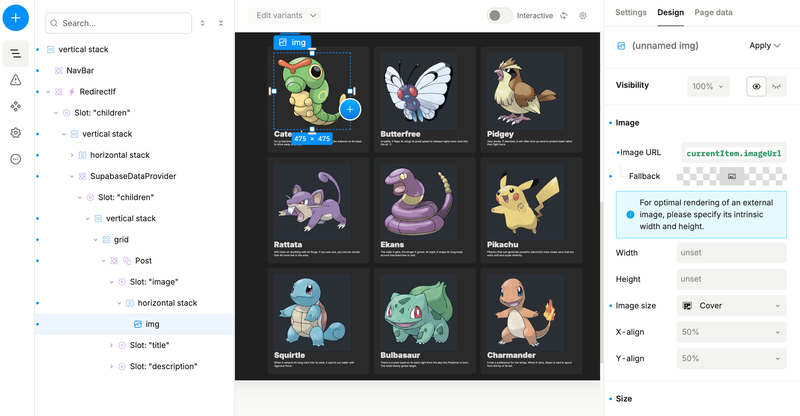
Starter kit for building Next.js apps with Supabase Auth, Tailwind CSS, and shadcn/ui.
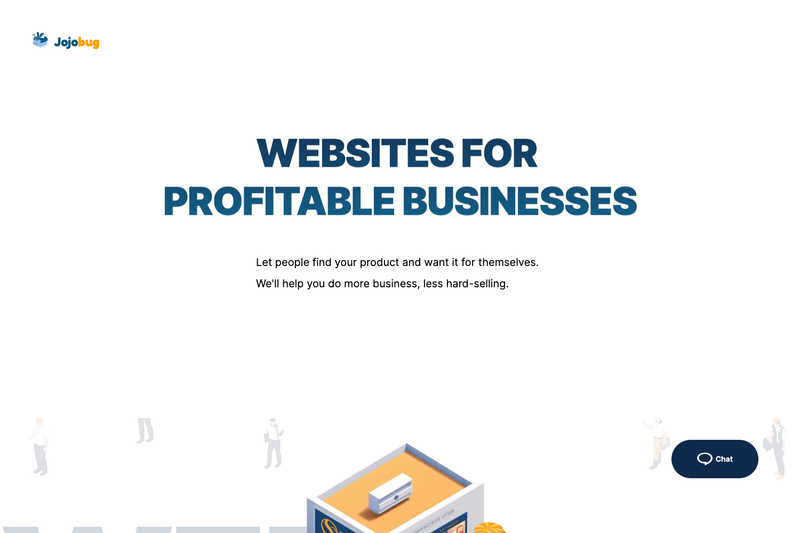
A Next.js starter with TypeScript, Tailwind CSS, Sass, ESLint, Prettier, and absolute imports, ready for development.
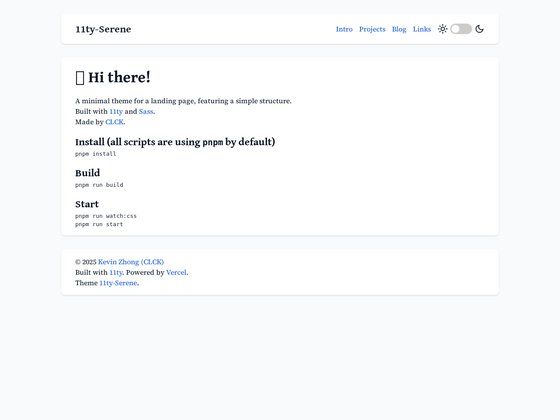
A minimal landing page and integrated blog theme built with 11ty and Sass.
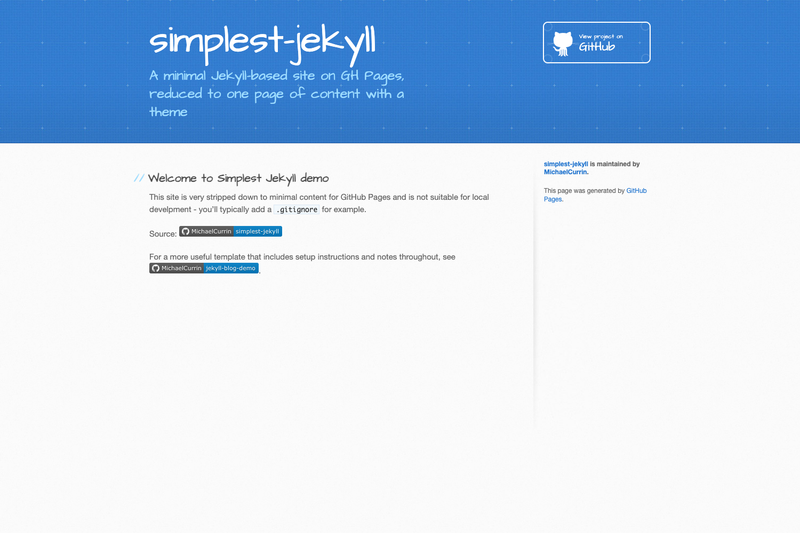
A minimal Jekyll-based site on GH Pages, reduced to one page of content with a theme
Get Shit Done Kit is a free Bootstrap 3 UI kit from Creative Tim that packages styled components, JavaScript plugins, and example pages for starting responsive web projects.
Get Shit Done Kit is a free UI kit built on Twitter Bootstrap 3, created by the design team at Creative Tim. It provides a set of custom-styled Bootstrap components — buttons, forms, navigation, switches, checkboxes, and radio buttons — along with example HTML pages such as components.html, index.html, navbar-transparent.html, notification.html, template.html, and tutorial.html. The kit is distributed as a download that you can import into an existing Bootstrap project or use as the foundation of a new one. It is licensed under MIT, so it can be used in commercial and personal projects without restriction.
To get started, download the kit from GitHub or the Creative Tim product page, or clone the repository with git clone https://github.com/creativetimofficial/get-shit-done. The documentation suggests simply importing the kit into your project or building on top of the included HTML files. After that, you can open components.html or index.html to view the styled components in the browser.
Get Shit Done Kit is free to download and use under the MIT license. Creative Tim also offers Get Shit Done PRO, a paid extension with additional components and features, with pricing starting at $39.
Yes, the kit is free to download from GitHub and the Creative Tim site, and it is licensed under MIT, so you can use it in commercial projects without cost.
The download contains a Bootstrap 3 folder, SASS source files under assets/sass, compiled CSS and JavaScript files under assets/css and assets/js, and six HTML pages: components.html, index.html, navbar-transparent.html, notification.html, template.html, and tutorial.html.
The kit is explicitly built on Twitter Bootstrap 3. It is not updated for Bootstrap 4 or 5, so if you need a current Bootstrap version you would need to adapt the files manually.
Creative Tim sells Get Shit Done PRO, a separate product with more components and options, from $39. The free kit remains available and MIT-licensed.
The free kit uses the MIT license, as stated in the repository. You can modify and redistribute it as long as you preserve the copyright notice.