Newsletter
Join the Community
Subscribe to our newsletter for the latest news and updates

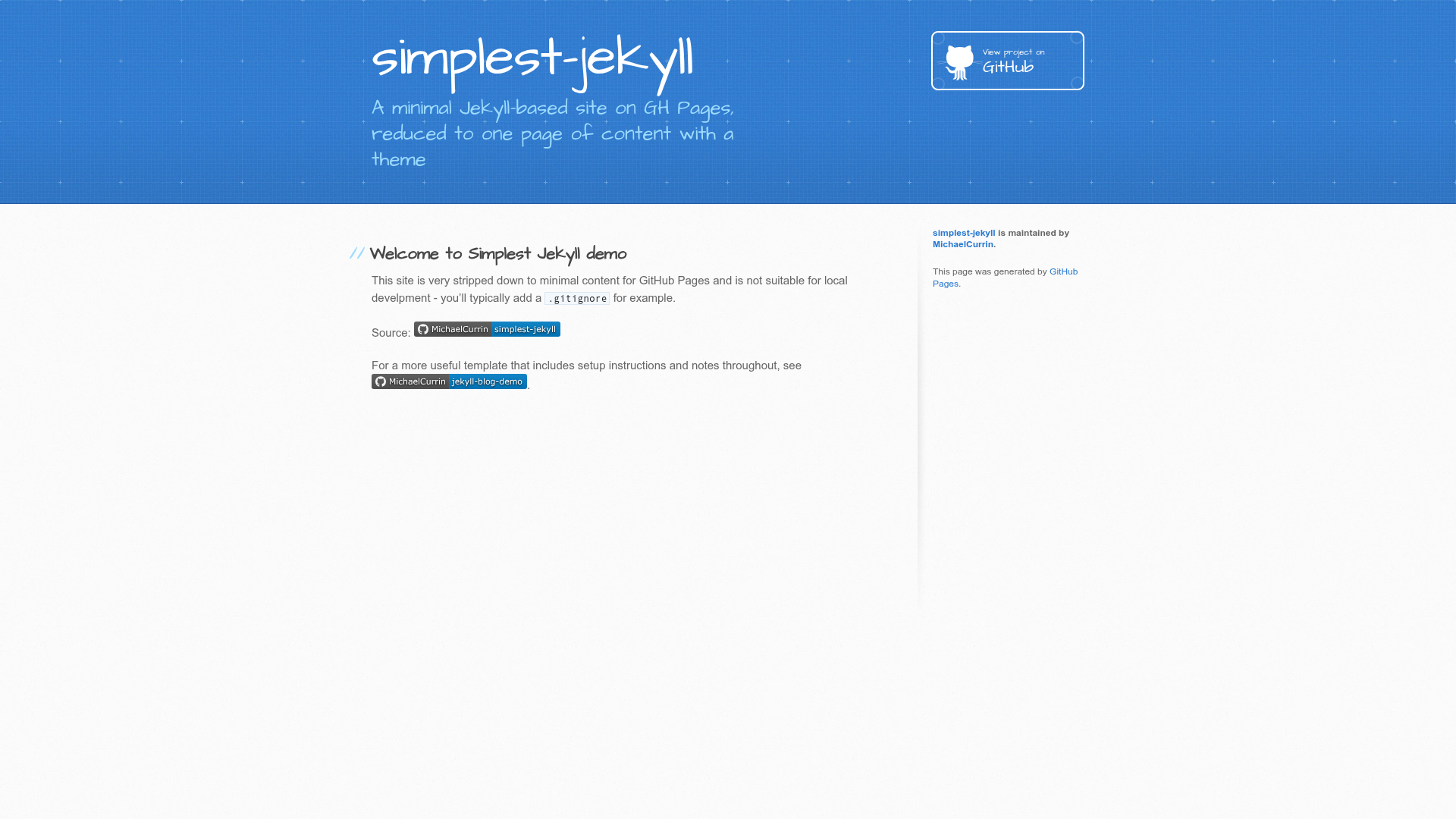
A minimal Jekyll-based site on GH Pages, reduced to one page of content with a theme

A Next.js starter with TypeScript, Tailwind CSS, Sass, ESLint, Prettier, and absolute imports, ready for development.

Free Bootstrap 3 UI kit by Creative Tim with styled components, example pages, and SASS source files.
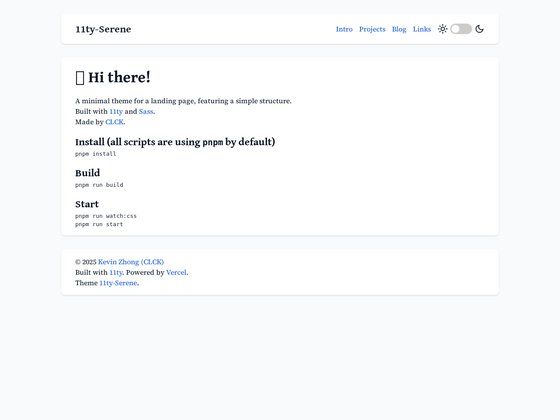
A minimal landing page and integrated blog theme built with 11ty and Sass.

A minimal Astro starter demo that mounts React and Vue counter components on one page with a shared variable.
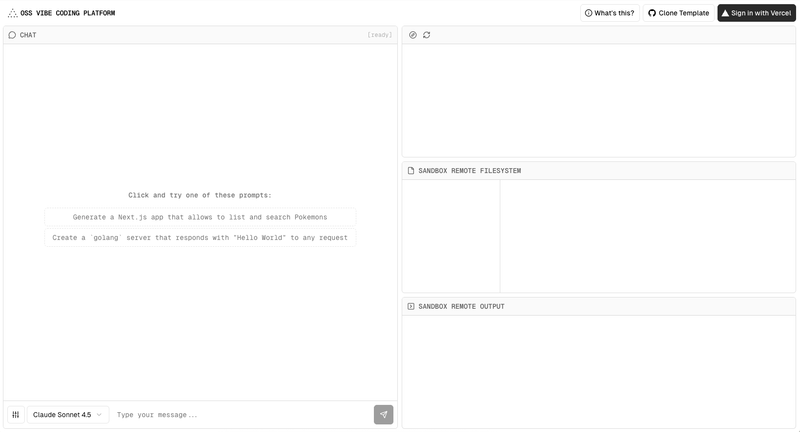
An end-to-end text-to-app coding platform with AI agent, multi-model support, sandboxed execution, and live preview on Vercel.

Gatsby starter with internationalization (i18n), RTL support, SEO, and styled-components.
Simplest Jekyll is a minimal single-page Jekyll template that deploys to GitHub Pages, reduced to one content page (index.md) and a Jekyll theme so you can publish a live site in minutes.
Simplest Jekyll is a template and live demo project by MichaelCurrin that demonstrates the smallest possible Jekyll site on GitHub Pages. It consists of a single content page (index.md), a _config.yml file that sets the theme and enables the Jekyll Sitemap plugin, and an optional Gemfile for local development. The template runs on Jekyll 3.9 with Ruby 2.6 or newer and is designed to be built automatically by GitHub Pages without any additional configuration.
After you create a repository from the template, GitHub Pages builds the site using its built-in Jekyll gem. The builder reads _config.yml for the theme and plugin settings, processes index.md (applying Liquid if front matter is present), and outputs static HTML at /index.html. The environment tab in your repository shows when the deployment is complete, though the clean URL may take a few extra minutes to become available.
Simplest Jekyll is free to use, released under the MIT license. No payment is required, and you can modify and redistribute it.
Yes, Simplest Jekyll is released under the MIT license, so you can freely use, modify, and distribute it for personal or commercial projects. No payment is required, and you only need to retain the license notice.
No. The Gemfile is optional and only helps you install Jekyll and the theme locally with Bundler. GitHub Pages ignores the Gemfile because it supplies its own gem set. You can delete the Gemfile if you don't plan to run the site locally.
Yes. Edit the theme field in _config.yml to use one of the roughly 10 themes supported by GitHub Pages, or use the remote_theme field to reference any Jekyll theme from GitHub. You can also preview themes visually in the GitHub Pages section of your repository settings.
Exactly one content page: index.md, which serves as the homepage. If you delete index.md, GitHub Pages uses README.md as the homepage instead. You can add more pages at the root of the repository.
After enabling GitHub Pages, the path /simplest-jekyll/index.html is available immediately, but the cleaner URL /simplest-jekyll/ may take a few minutes to resolve while GitHub Pages finishes deploying.