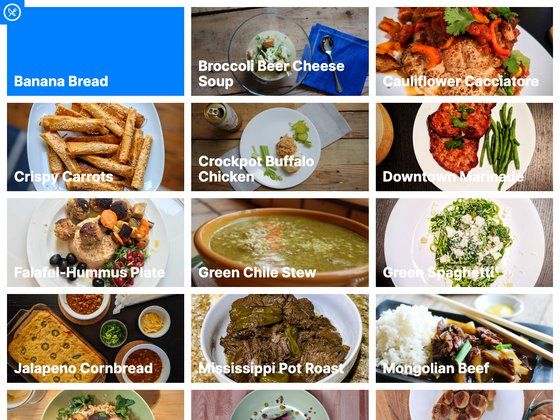
GoChowdown is a Hugo theme for building recipe websites, ported from the Chowdown theme for Jekyll by clarklab. It provides a panel-style recipe index on the front page and a two-section content model that separates recipes from reusable components.
What is GoChowdown?
GoChowdown is a Hugo theme that turns a folder of markdown recipes into a static recipe website. It is based on the Chowdown theme originally built for Jekyll, and it adds two content sections, recipes and components, along with a front-page panel listing of all recipes. The theme requires the extended version of Hugo because it compiles SCSS styles, and it is maintained by Sean Lane under the MIT license.
Key Features
- Recipe bundle scaffolding — Running
hugo new --kind recipe-bundle recipes/name-of-recipegenerates a folder with anindex.md; hyphens in the name become spaces and each word is capitalized for the title. - Reusable components — A separate
componentssection stores sub-recipes that can be referenced from any recipe by title, so one dough recipe can back multiple pizza recipes. - Internationalization — Built-in UI strings support English (default), German, and French; you can set the default language in your Hugo config under
[languages]. - SCSS styling — The theme's styles are written in SCSS, which is why Hugo extended is mandatory; Homebrew and the Arch User Repository ship the extended build.
- MIT licensed — The theme is free to use, copy, and modify, with no commercial restrictions.
Who is it for?
- Home cooks who want a no-frills personal recipe site with a visual index, without paying for a CMS.
- Hugo developers who want a small, hackable theme built on the static site generator they already use.
- Food bloggers who prefer to manage content as markdown files and need a multilingual recipe site in English, German, or French.
What can you do with GoChowdown?
- Publish a personal recipe collection: add recipes as bundles, and the home page displays them as a clickable panel grid.
- Decompose complex dishes: write smaller component recipes (sauces, doughs, spice blends) once and reuse them across multiple main recipes.
- Localize your site's theme text: switch the entire theme's strings to German or French with a few lines of Hugo configuration.
How does GoChowdown work?
First, install the extended version of Hugo. Then add the theme as a git submodule with git submodule add https://github.com/seanlane/gochowdown.git themes/gochowdown. Configure your config.toml or config.yaml, then create recipe bundles with the hugo new --kind recipe-bundle command and run hugo serve to preview at http://localhost:1313/.
Pros and cons
- Pro: Lightweight and static — no server-side processing, just HTML output from markdown.
- Pro: Built specifically for recipes with a structure that supports component reuse.
- Con: The repository is described as a work in progress, so features may shift or break.
Pricing
GoChowdown is free. It is released under the MIT license, so you can use it for personal or commercial projects without paying a license fee.
FAQ
Do I need the extended version of Hugo?
Yes. GoChowdown uses SCSS, and only Hugo's extended build can compile it. The quick start notes that Homebrew and the Arch User Repository install the extended version.
How do I add a new recipe?
Run hugo new --kind recipe-bundle recipes/name-of-recipe from your site root. This creates a folder under content/recipes with an index.md that uses the recipe name as the title (hyphens become spaces, words are capitalized).
Which languages does GoChowdown support?
The built-in UI text is available in English (default), German, and French. Set the default with defaultContentLanguage in your Hugo config, and add a [languages] block to customize the title and weight.
How do I reuse a component across recipes?
Place component recipes in content/components, then in a recipe replace the instructions list with a components list referencing each component's title. The same component can be referenced by any number of recipes.
Is GoChowdown free?
Yes, it is MIT-licensed, so it is free to use and modify, including in commercial projects.