Newsletter
Join the Community
Subscribe to our newsletter for the latest news and updates

Next.js example that wires GrowthBook feature flags and experiments into the Flags SDK with the @flags-sdk/growthbook adapter.
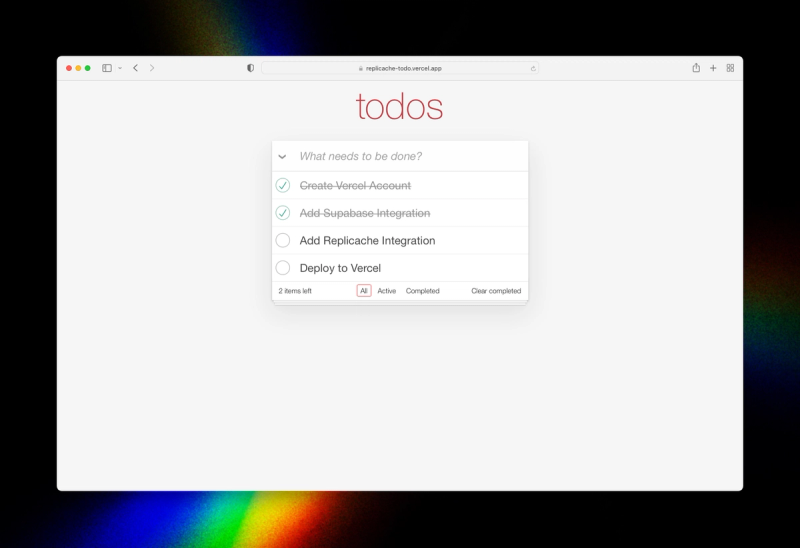
Vercel template that deploys a Replicache-powered todo list app built with Next.js and Supabase, with realtime sync and offline support.
A ChatGPT-style streaming chat example built with the Vercel AI SDK, Next.js, and OpenAI, with OpenTelemetry tracing enabled.
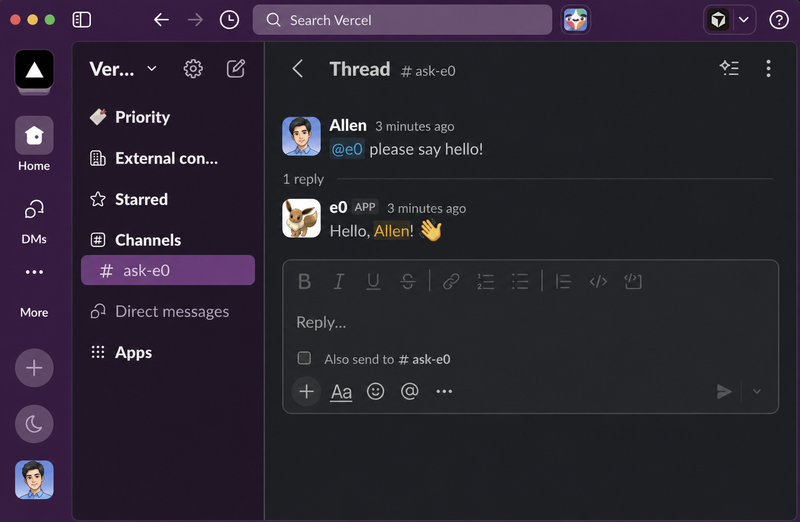
An eve template for Slack agents with webhook handling, Vercel Connect credential management, a starter agent, and an example tool.
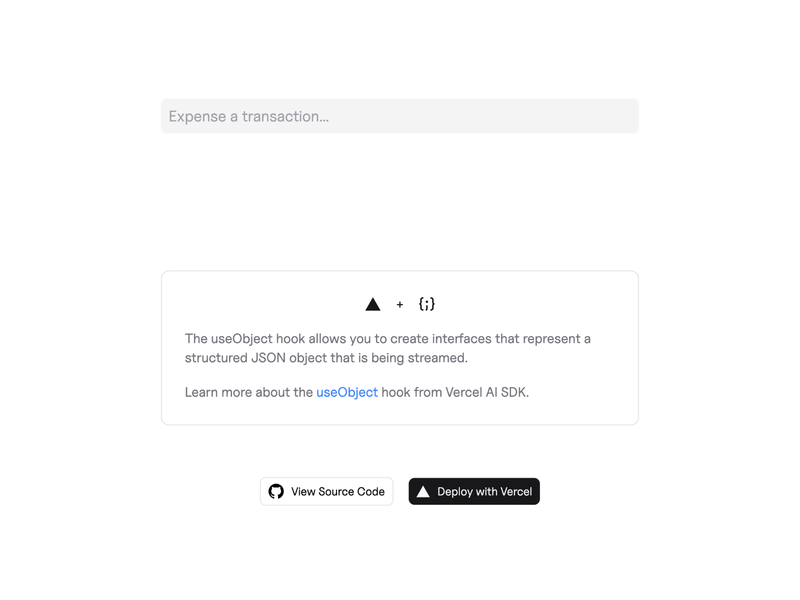
Next.js example that streams structured object generation to the client using the Vercel AI SDK useObject hook.
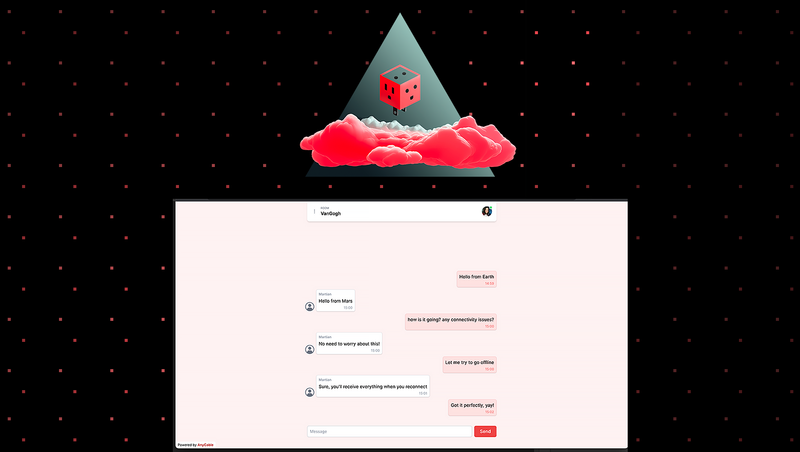
Open-source example wiring AnyCable-Go WebSockets into a Next.js app on Vercel for serverless real-time messaging and JWT-authenticated clients.
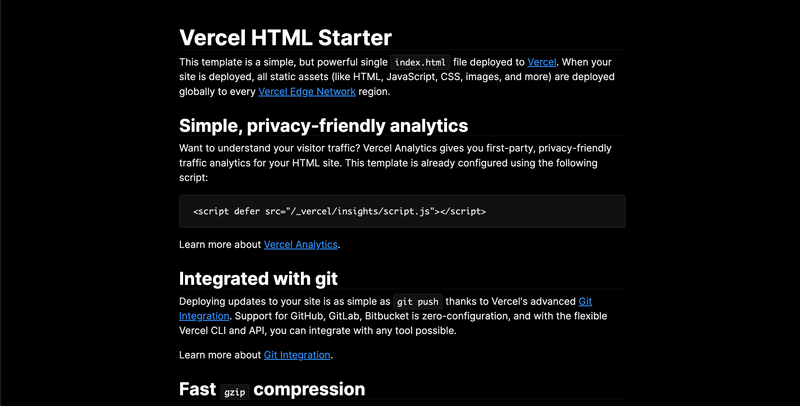
Vercel-maintained HTML5 starter template preloaded with Vercel Analytics and Edge Middleware routing.
Growthbook Flags SDK Example is a Next.js demo template from the Vercel examples repository that connects GrowthBook feature flags and experiments to an app through the Flags SDK and the @flags-sdk/growthbook adapter.
The template is a runnable Next.js app that reads three GrowthBook flags and renders their values directly into the UI. It controls the visibility of two banners on the home page and the color of the checkout button, so any visitor sees both, one, or neither banner along with a button rendered in red, green, or blue. Flag definitions live in a flags.ts file and their keys must match the flag IDs created inside GrowthBook. Deployment targets Vercel, and the template ships with a one-click Deploy button plus CLI instructions.
@flags-sdk/growthbook provider connects the app to GrowthBook feature gates and experiments.free_delivery and summer_sale are set up as 50% rollouts or experiments, while proceed_to_checkout serves three variants: red, green, and blue.FLAGS_SECRET value described as 34 bytes with base64url encoding, with a link to the Vercel reference documentation.vercel link connects the local project, vercel env pull fetches environment metadata, and vercel env add sets variables manually.vercel link, then pull environment variables with vercel env pull so the Flags SDK and Flags Explorer get the metadata they need.free_delivery, summer_sale, and proceed_to_checkout, keeping IDs identical to the keys in flags.ts.It renders two banners on the home page whose visibility is decided by the free_delivery and summer_sale flags, plus a checkout button colored red, green, or blue by the proceed_to_checkout flag. A visitor may see both banners, one, or none.
Yes. The template expects a GrowthBook project with three flags whose IDs match the keys in the flags.ts file, and experiments must be started before traffic splits appear.
The home page includes Dev Tools at the bottom that reset the stable ID and reload the page, producing a new variation. On a linked Vercel project you can also create overrides from the Flags Explorer in the Vercel Toolbar.
Yes. The deploy flow prompts for FLAGS_SECRET, described as 34 bytes of base64url-encoded data, and links to the Vercel reference for the Flags Explorer environment variable.