Newsletter
Join the Community
Subscribe to our newsletter for the latest news and updates

Docker one-click deployment template for Hexo blogs with the Matery theme, publishing to GitHub Pages and Gitee Pages.
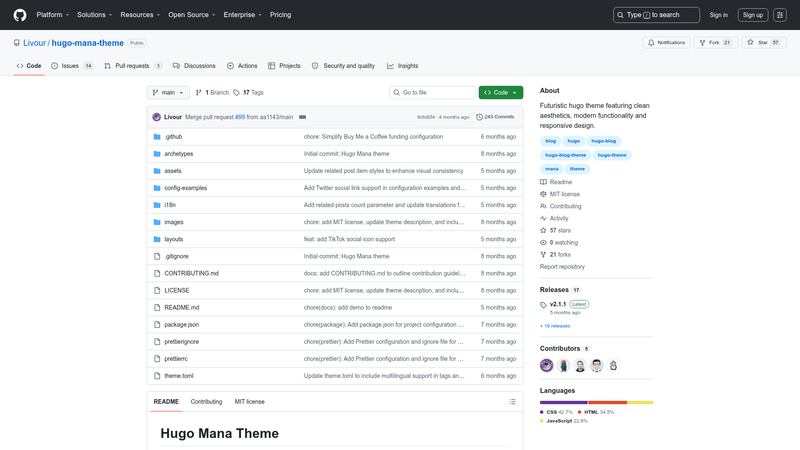
A futuristic Hugo blog theme with full-text search, RTL support, dark/light themes, and GitHub-style alerts.
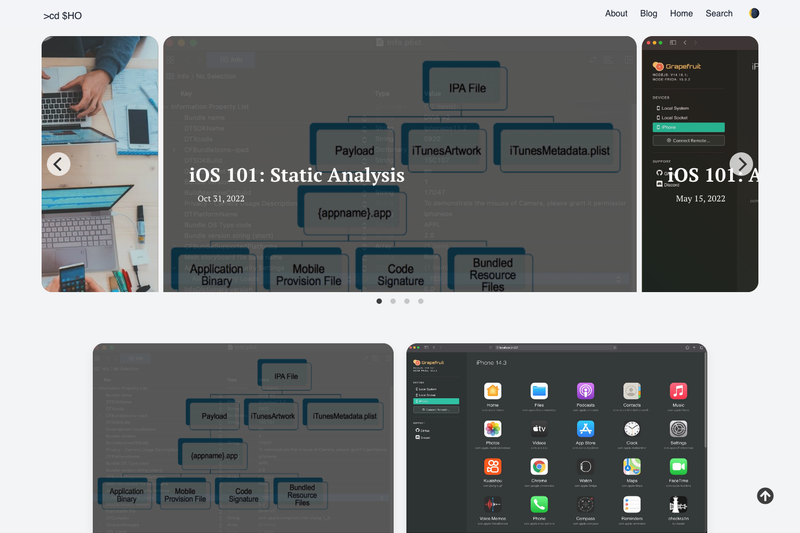
A clean, elegant Hugo blog theme with dark mode support, built on Bulma CSS.
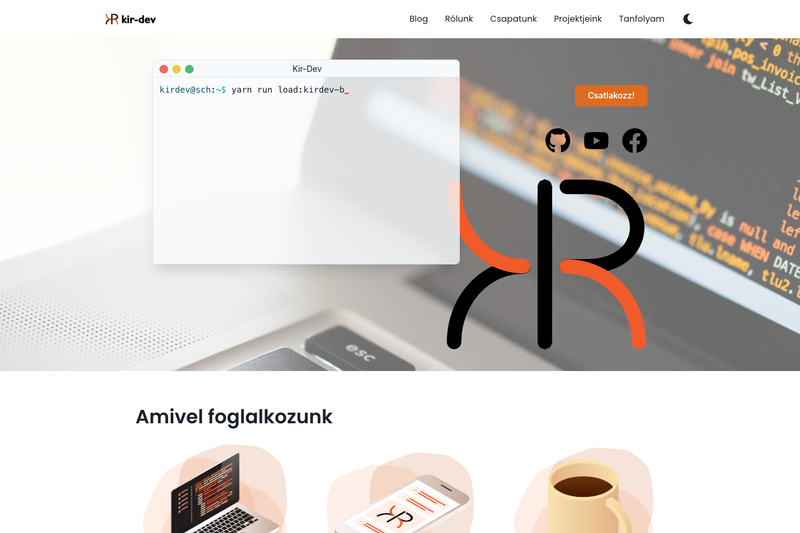
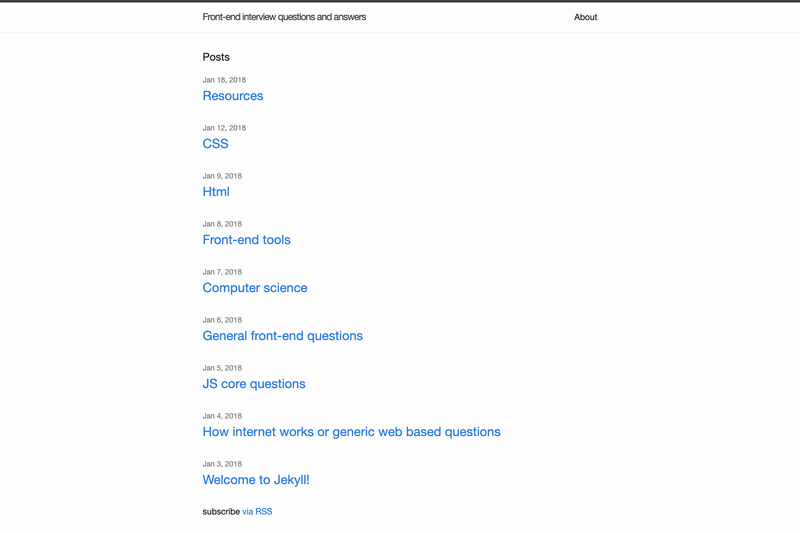
A Jekyll blog template for Kir-Dev's site with Docker and bare-metal setup, post workflow, and MIT license.
The Hexo Matery Template is a Docker-based deployment boilerplate for publishing Hexo blogs on the Matery theme, built around GitHub Actions and docker-compose for one-click releases to GitHub Pages and Gitee Pages.
It is a GitHub repository template that provides a complete Dockerized Hexo environment preconfigured with the Matery theme. It takes Markdown articles placed in a source directory and produces a statically generated blog deployed to both GitHub Pages and Gitee Pages through an automated GitHub Actions pipeline. The template pins Hexo version x5.1.1 and Matery theme x2.0.0, and is maintained by the GitHub user lyy289065406 (EXP).
bin/run.sh|ps1 script, with docker-compose.yml handling the service orchestration._config.yml for theme personalization and resources in volumes/hexo/themes/hexo-theme-matery/source..github/workflows read repository secrets and variables (e.g., DEPLOY_PRIVATE_KEY, _GITEE_USER, _GITEE_PASS) to build and deploy automatically; RUN_TIMEOUT limits the pipeline to protect GitHub's 2000-minute monthly free quota.hexo/generate.sh|ps1, hexo/run.sh|ps1, and bin/terminal.sh|ps1 let you build, preview at http://127.0.0.1:4000, and enter the container terminal before publishing.SITE_PROTOCOL, SITE_DOMAIN, DEPLOY_REPO_NAME, and DEPLOY_REPO_OWNER can be passed as command-line arguments to bin/run.sh|ps1, enabling custom domains and both GitHub/Gitee targets.volumes/hexo/source/_posts, with scaffolds templates, drafts in _draft, and prebuilt pages for about, categories, contact, download, friends, tags, 404, and ads.txt/robots.txt._posts, and let GitHub Actions publish without manually running Hexo.bin/run.sh and use hexo/generate.sh to build static files locally for preview.volumes/hexo/source/_posts and run hexo/deploy.sh|ps1 to push rendered HTML to GitHub and Gitee Pages automatically.SITE_DOMAIN.DEPLOY_PRIVATE_KEY, _GITEE_USER, _GITEE_PASS) plus variables (domain, repo owner/name, git user/mail) in GitHub Actions settings.Pros
Cons
RUN_TIMEOUT to avoid wasting the 2000-minute monthly quota.The template repository is open source for free use, following the MIT license (LICENSE file is included in the repository root).
Yes. The repository is published on GitHub as a template and includes an MIT license, so it can be used, modified, and redistributed without cost.
The environment badge shows Hexo x5.1.1 and Matery x2.0.0. Both are pinned in the Docker setup, so your blog uses those specific versions unless you edit the container dependencies.
Yes. Set SITE_DOMAIN for the local server and configure _GITHUB_DOMAIN and _GITEE_DOMAIN in the GitHub Actions variables. The pipeline supports CNAME-based custom domains for both Pages services.
Local scripts (bin/run.sh, hexo/generate.sh) run the Docker environment on your machine and preview at 127.0.0.1:4000. Production deployment is triggered by GitHub Actions using the same Docker image and pushes the build to the configured Pages repositories.
RUN_TIMEOUT do?It sets the maximum execution time for the GitHub Actions workflow in seconds. The README suggests starting with 0 (unlimited), observing the actual build time, then setting it slightly higher to prevent the docker-in-docker loop from exhausting your monthly 2000-minute Actions quota during network failures.