Newsletter
Join the Community
Subscribe to our newsletter for the latest news and updates

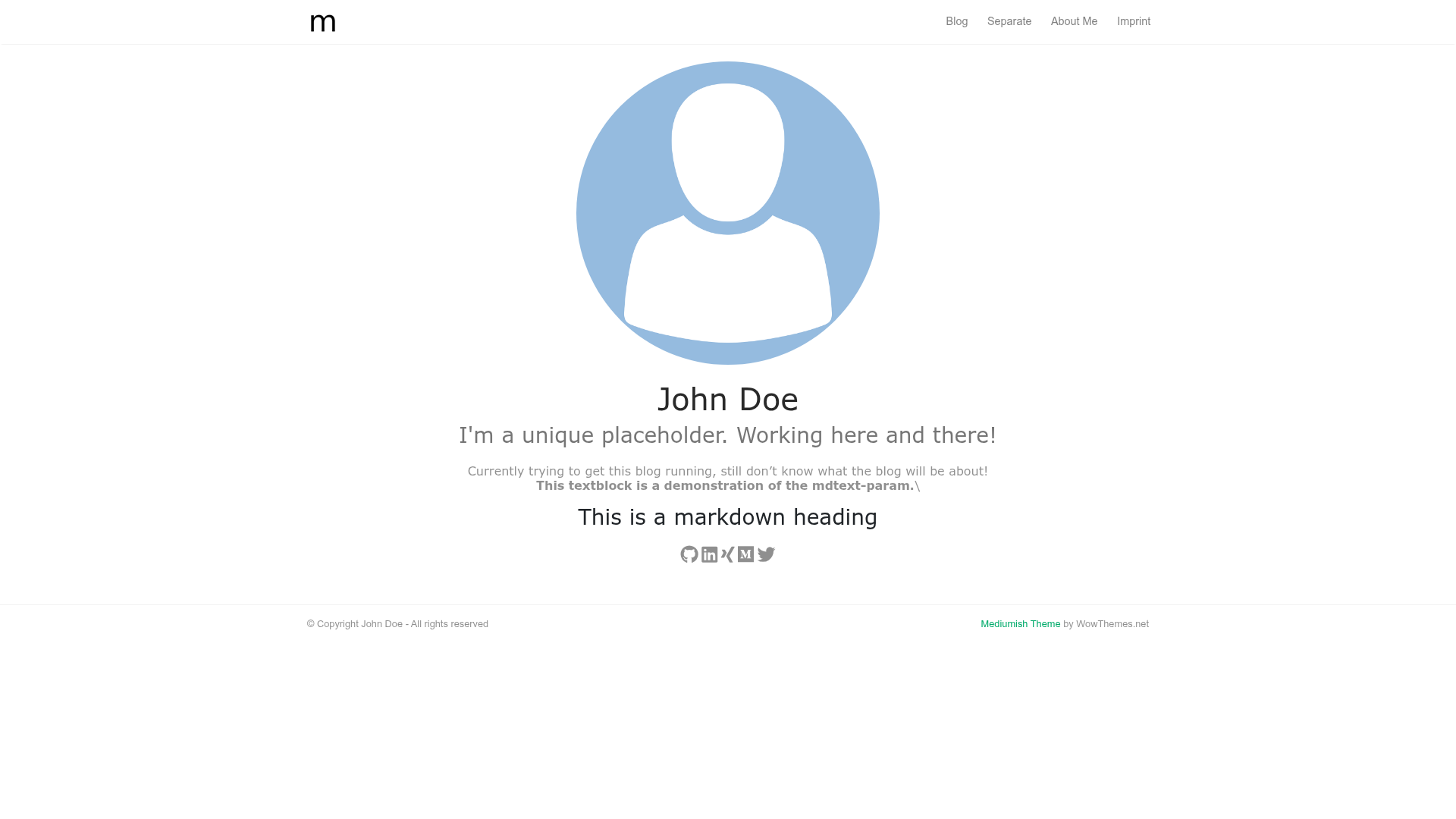
Mediumish Hugo theme: a customized port of the Jekyll theme with landing page, tags, Disqus, Google Analytics, and Mailchimp.
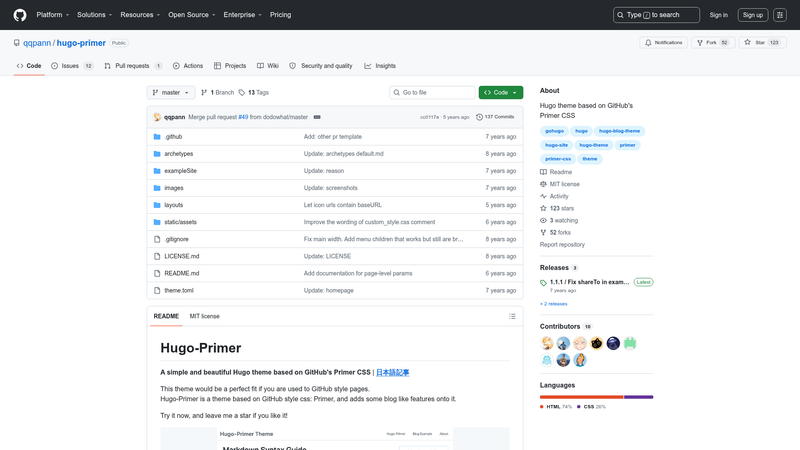
A Hugo blog theme styled with GitHub's Primer CSS, featuring TOC, math support, tags and social sharing.
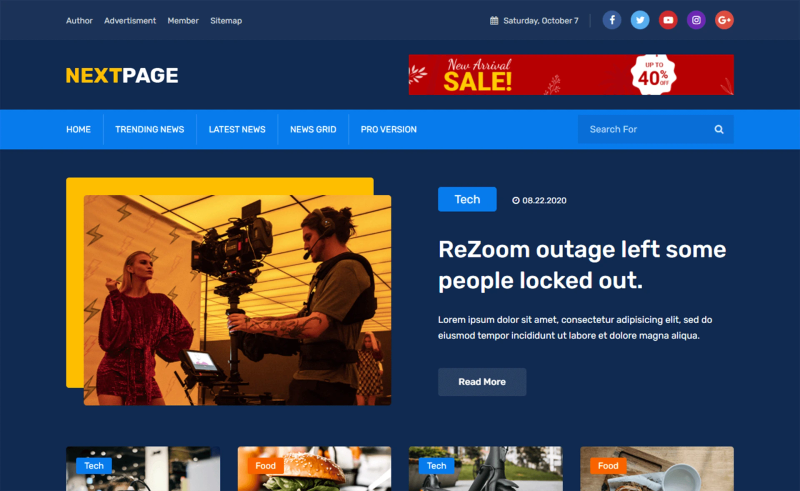
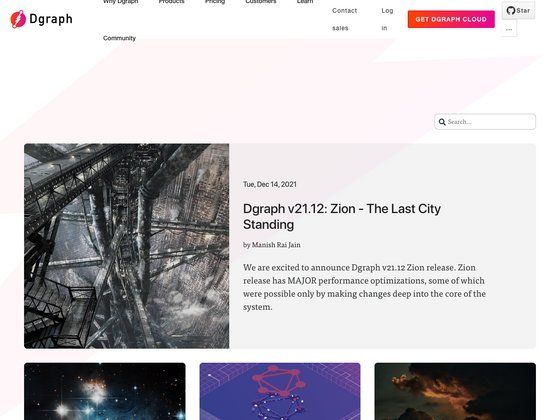
Free single-page Bootstrap 4 HTML5 blog template with sticky nav, trending and latest news carousels.
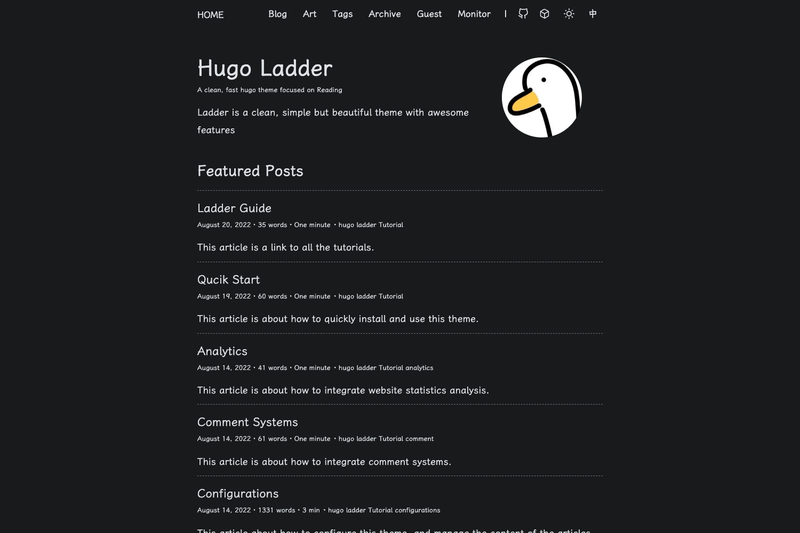
A pre-configured example site for the Hugo Ladder theme, deployable to GitHub Pages with the 'Use this template' button.

A free, open-source personal blog template built with Bootstrap and powered by Jekyll for GitHub Pages.
Mediumish Hugo Theme is a Hugo blog theme, a customized port of the Mediumish Jekyll theme by WowThemesNet, that provides a Medium-style blog layout with a landing page, tag-based post organization, and integrations for Disqus, Google Analytics, and Mailchimp.
The Mediumish Hugo Theme is an open-source Hugo theme that turns a standard Hugo site into a blog with a separate landing page, a 404 page, and tag-driven navigation. It accepts Hugo content files — posts with front matter, page bundles for cover images, and static pages — and outputs a styled blog with social sharing links, pagination, and a jumbotron tag overview. It was created by the GitHub user lgaida as a port of the Mediumish Jekyll theme and is released under the MIT License.
To install, clone the repository into your Hugo site's themes folder and set theme = "mediumish-gohugo-theme" in config.toml. Posts are created with hugo new blog/my-first-post/index.md (using page bundles), and the front matter fields publishdate, lastmod, tags, and comments control metadata and social sharing. The theme requires a file named jumbotron.jpg in static/images for the CSS.
Pros:
Cons:
The Mediumish Hugo Theme is free to use, released under the MIT License.
Yes, the theme is released under the MIT License, so it is free to use, modify, and distribute, with attribution requested. There are no paid tiers.
This is a Hugo port by lgaida, and it adds a landing page, custom CSS support, and Mailchimp integration. The original Jekyll theme by WowThemesNet has more built-in features, and this port drops some while adding others.
Create a page bundle for the post (a folder with index.md), place an image file with "cover" in its name inside that folder, and the theme will use it as the post's cover and for Twitter and OpenGraph cards.
Yes, comments are enabled per post with the comments front matter field and Disqus, and Google Analytics is configured via the googleAnalytics parameter in config.toml.
The author has added a deprecation note stating he will no longer personally review the project, though the theme remains usable and the repository has community forks with further customizations.