Newsletter
Join the Community
Subscribe to our newsletter for the latest news and updates
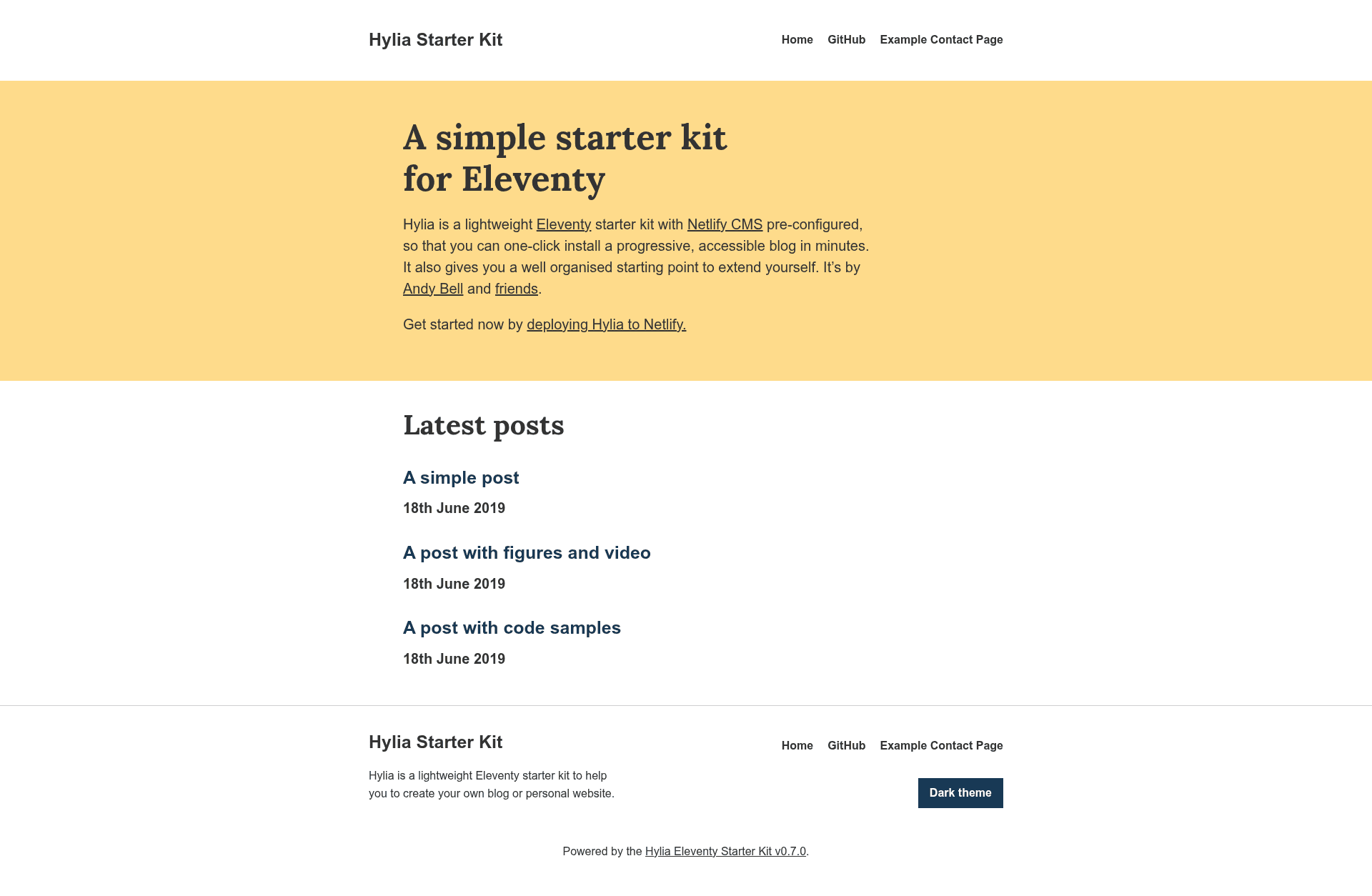
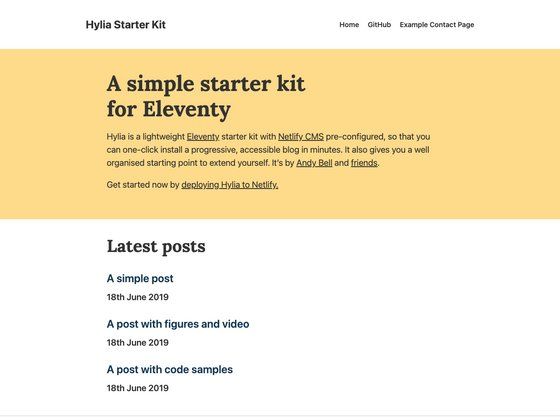
A lightweight Eleventy starter kit with Netlify CMS pre-configured for building accessible blogs and personal websites.
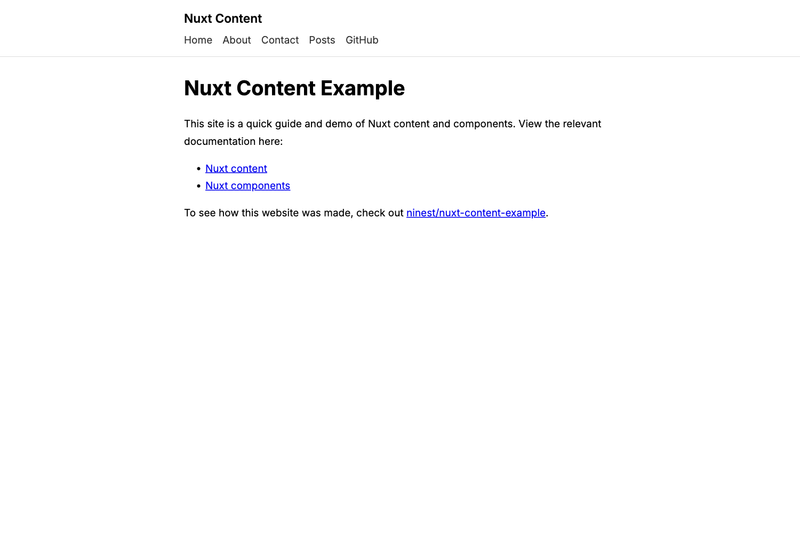
A blog example/boilerplate made with Nuxt Content
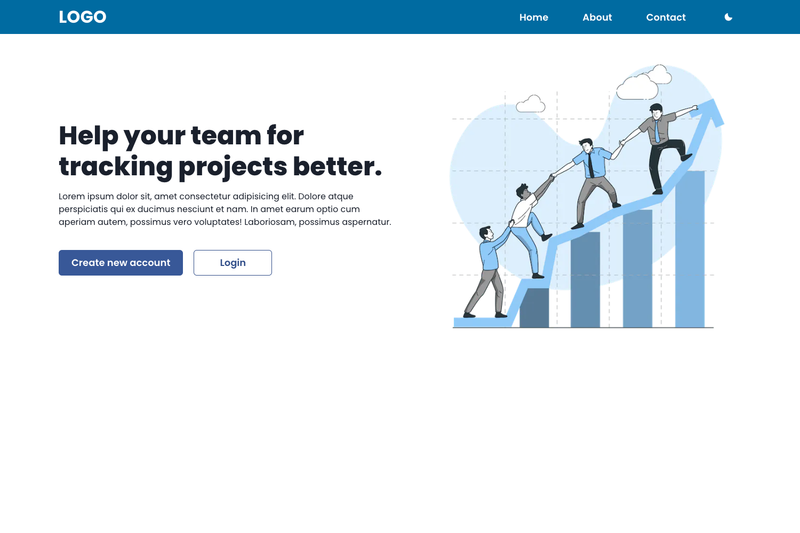
Next.js and Chakra UI starter template with ESLint, dark mode, and SEO-friendly setup.
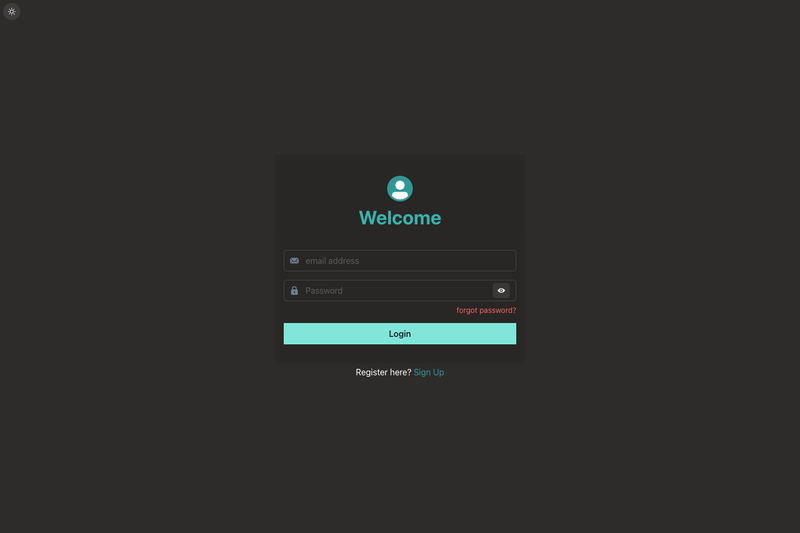
Realtime chat application template built with Next.js, Chakra UI, Express.js, and MongoDB, with email OTP verification.
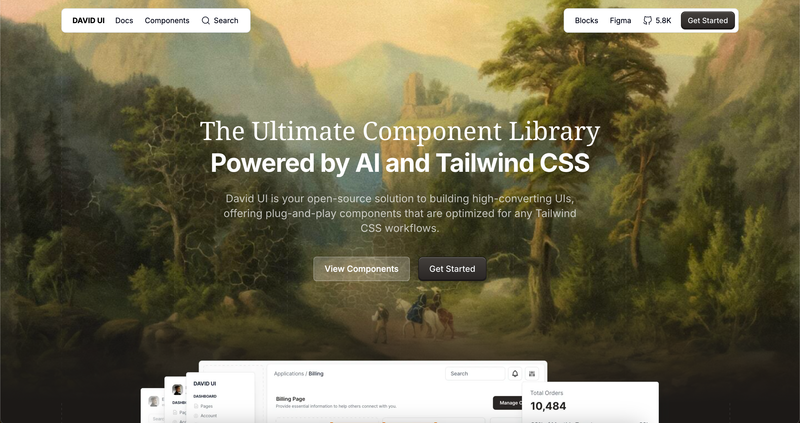
David UI is a free, open-source Tailwind CSS component library by Creative Tim with 35 customizable UI components.
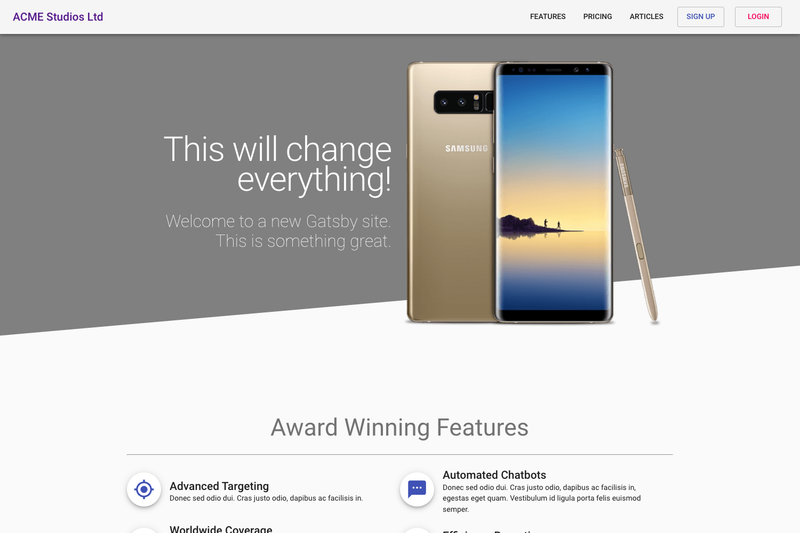
The official default Gatsby starter for quickly scaffolding static sites with Gatsby CLI.
Hylia is an open-source Eleventy starter kit (boilerplate) with Netlify CMS pre-configured, built to let you one-click deploy an accessible blog or personal website in minutes. Created by Andy Bell (hankchizljaw), it is available as a GitHub repository and is currently at version 0.7.0.
Hylia is a starter kit for the Eleventy static site generator that ships with Netlify CMS already configured. You can deploy it to Netlify with a single click, then write and publish posts through the CMS admin interface at /admin. The kit outputs a static HTML site with an RSS feed, a service worker for offline reading, and a Sass-powered design system.
Hylia is aimed at developers and content creators who want a minimal, fast blog without configuring a CMS from scratch. Developers can clone or fork the repo, run npm install and npm start, and extend the Sass architecture or add new collections. Bloggers can deploy to Netlify in one click, invite users via Netlify Identity, and start publishing through the /admin interface. It also suits designers who want to customize the theme through design tokens and the built-in styleguide.
Hylia runs on Eleventy and compiles content from Markdown and Nunjucks templates into static HTML. To start locally, clone the repository, run npm install then npm start, and the site is served at http://localhost:8080. For production, run npm run production. The CMS requires enabling Netlify Identity and Git Gateway in your site's Netlify dashboard before you can log in at /admin.
Hylia is an open-source starter kit released on GitHub under a permissive license, and you can deploy it to Netlify's free tier.
Yes, Netlify CMS is pre-configured. After deploying to Netlify and enabling Identity and Git Gateway, you access the admin interface at /admin.
The default CMS configuration lets you edit the home page, create posts and generic pages, manage global site data, navigation, and theme settings.
Yes, a service worker caches pages so visitors can read articles offline, and the roadmap includes an improved offline mode with links to cached pages.