Newsletter
Join the Community
Subscribe to our newsletter for the latest news and updates

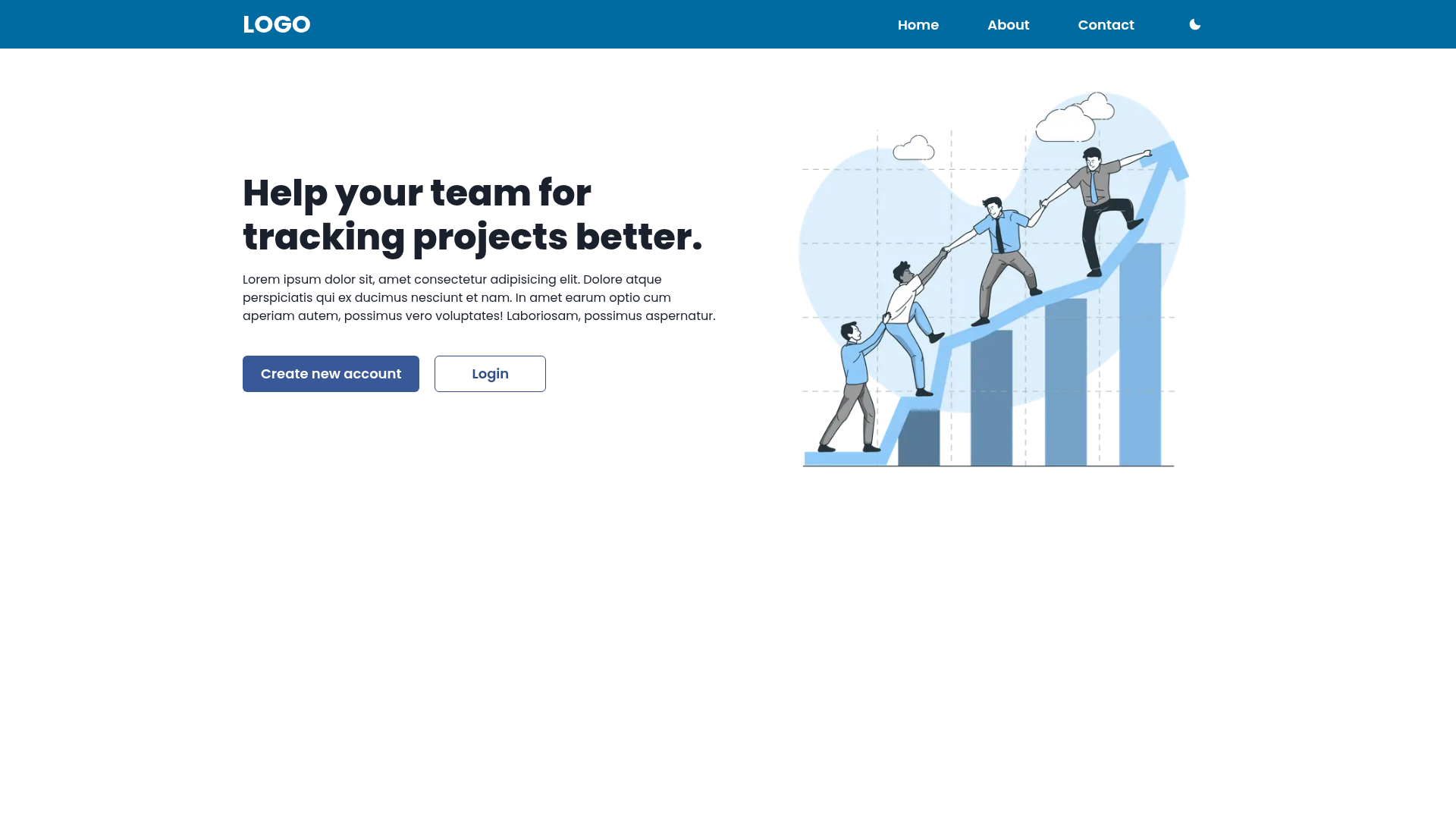
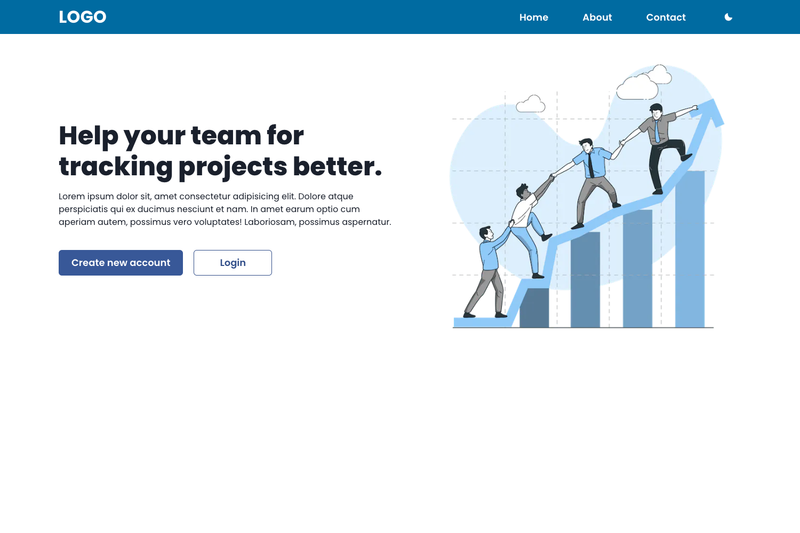
Next.js and Chakra UI starter template with ESLint, dark mode, and SEO-friendly setup.
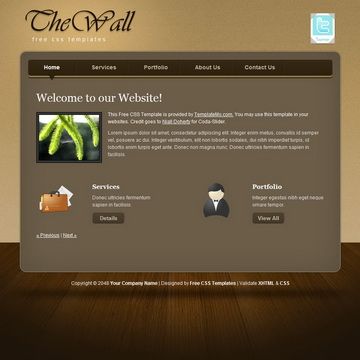
The Wall is a mini 5-page website template using jQuery slider for page transitions.
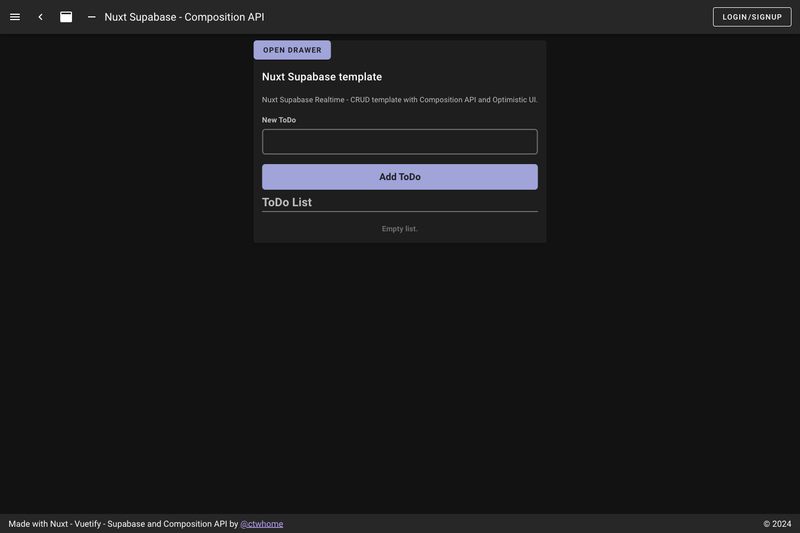
Nuxt.js + Supabase starter for realtime CRUD with optimistic UI, Google auth, and Netlify deployment.
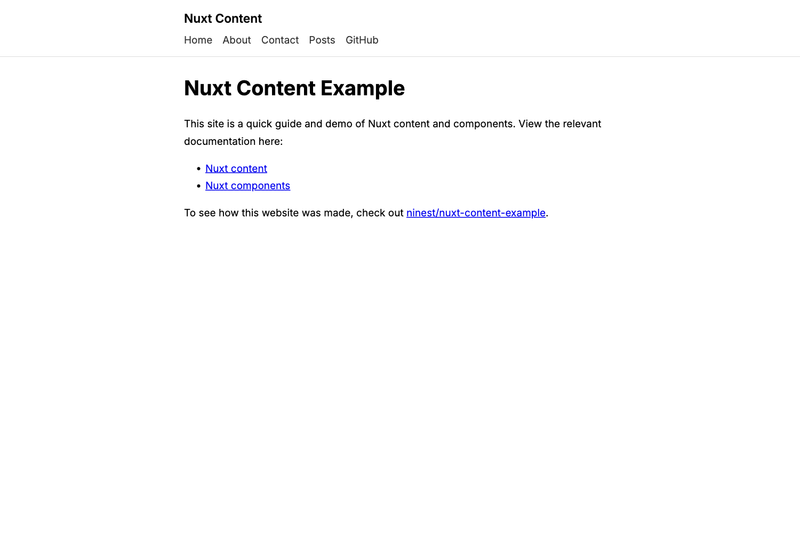
A blog example/boilerplate made with Nuxt Content
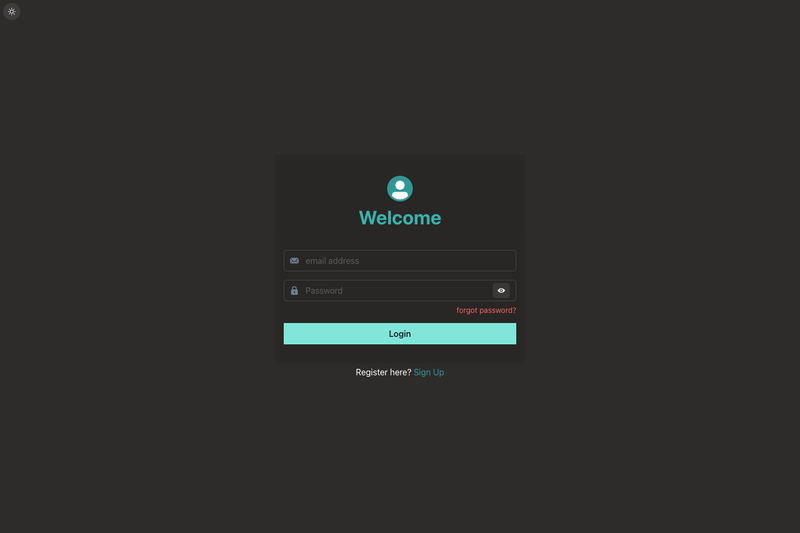
Realtime chat application template built with Next.js, Chakra UI, Express.js, and MongoDB, with email OTP verification.
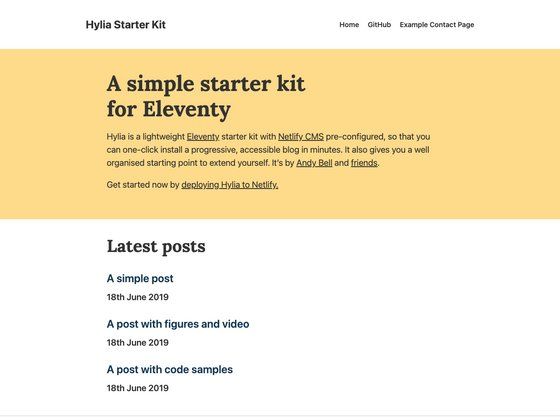
A lightweight Eleventy starter kit with Netlify CMS pre-configured for building accessible blogs and personal websites.
Next.js Chakra UI Template is a GitHub starter boilerplate that scaffolds a new Next.js application pre-configured with the Chakra UI component library, ESLint, dark mode, and SEO-friendly defaults.
This template is a minimal starting point for building Next.js apps with Chakra UI, created by GitHub user imadatyatalah. It provides a ready-to-run project structure that you can either clone via the "Use this template" button or bootstrap directly with npx create-next-app@latest --example https://github.com/imadatyatalah/cna-chakra-ui-template. The resulting app is a standard Next.js site that runs on http://localhost:3000 after running yarn and yarn dev. The project is open source under the MIT License, so it can be freely used as a foundation for personal or commercial projects.
The template lives in a GitHub repository. You can either click the "Use this template" button to create your own copy, or run npx create-next-app@latest --example https://github.com/imadatyatalah/cna-chakra-ui-template to have create-next-app download and install it. After cloning, install dependencies with yarn and start the dev server with yarn dev. The site will be available at http://localhost:3000.
Yes, the template is open source and distributed under the MIT License, so you can use it in personal and commercial projects without paying anything.
Run npx create-next-app@latest --example https://github.com/imadatyatalah/cna-chakra-ui-template to scaffold a new project. Alternatively, use the "Use this template" button on GitHub to create a repository.
Yes, dark mode is ready to use out of the box thanks to Chakra UI's built-in color mode support. You can toggle between light and dark themes without additional setup.
Yes, the README includes a "Deploy with Vercel" button that clones the repository and deploys it to Vercel automatically. You can also deploy manually via GitHub integration or the Vercel CLI.