Interactive Portfolio is a free, open-source developer portfolio template built with plain HTML, CSS, and a bit of JavaScript, designed to display a developer's bio, education, skills, projects, and contact information on a single responsive page.
What is Interactive Portfolio?
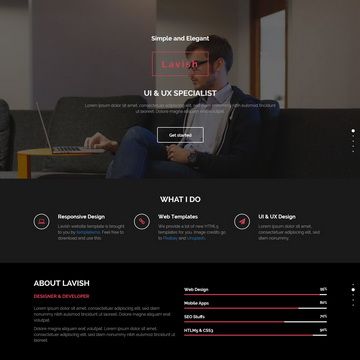
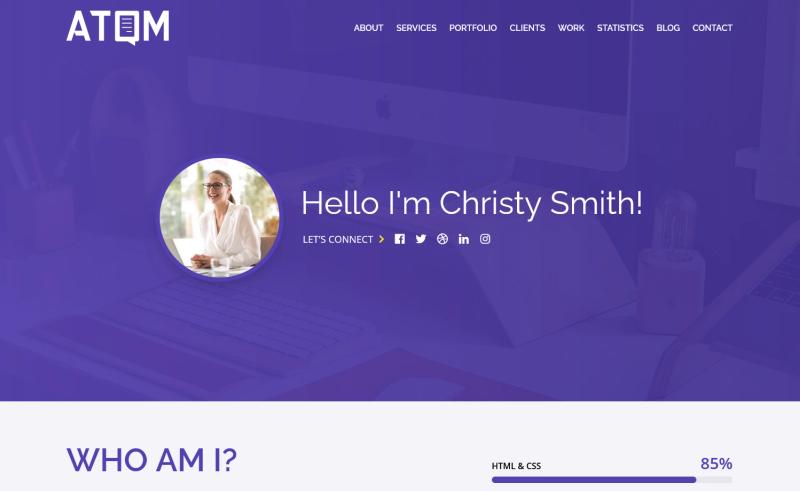
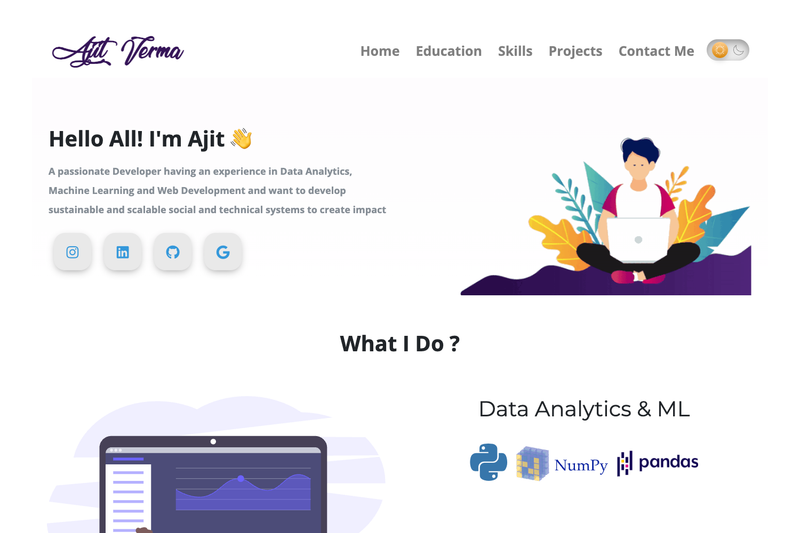
Interactive Portfolio is a static portfolio website template created by Ajit Verma and hosted on GitHub Pages. It takes a developer's personal and professional details and renders them in a clean, responsive layout with pre-built sections for About me, Education, Certification, Skills, Projects, and Contact me. The template uses vanilla HTML and CSS only, with JavaScript added for animations and interactive design touches, and requires no build tools or server-side processing. The GitHub repository has attracted more than 250 stars, indicating community interest.
Key Features
- Responsive layout — The CSS-based design adapts to phone, tablet, and desktop screen sizes, keeping the portfolio readable on any device.
- Pre-defined sections — Six ready-made sections let developers drop in their own content: About me, Education, Certification, Skills, Projects, and Contact me.
- Dark mode — A dark mode toggle was added as an update on 26/08/2024, allowing visitors to switch between light and dark appearances.
- Illustration assets — Images and icons are sourced from Undraw and Hackerblock, giving the site a polished look without custom artwork.
- Interactive animations — JavaScript powers page transitions and small interactive effects beyond what pure CSS can do.
- Minimal tech stack — Only HTML and CSS are required for the base layout; JavaScript is optional for animation, and there is no dependency on React, Vue, or a CSS framework.
- MIT licensed — The repository carries an MIT license, so the template can be freely reused, modified, and included in commercial projects.
Who is it for?
- Software developers — Want a lightweight, framework-free portfolio that can be deployed quickly to showcase projects and skills.
- Students and recent graduates — Can use the Education and Certification sections to present academic achievements and job-related credentials.
- Freelancers — Need an attractive online presence with a Projects section and a Contact me area for client inquiries.
What can you do with it?
- Developers: Clone the repository, replace the placeholder text in the HTML with personal bio and project links, then deploy the static folder to GitHub Pages or any web host.
- Job seekers: Highlight certifications, education, and open-source contributions in the predefined sections to build a recruiter-friendly resume page.
- Customizers: Modify the CSS to change colors, fonts, and spacing, or add extra sections by extending the existing markup structure.
How does it work?
Because it is a static site, you can download or clone the repo, edit the HTML and CSS files with your own information, and publish the result to GitHub Pages or any static hosting service. The live demo linked in the repository is served from a GitHub Pages URL, confirming that no backend or database is needed.
Alternatives
- Ashutosh Hathidara's masterPortfolio — A React-based developer portfolio that inspired the design of Interactive Portfolio and offers more built-in customization options.
FAQ
Is Interactive Portfolio free?
Yes, the project is open source under the MIT License, so you are free to use, modify, and distribute it without paying any fees, including for commercial purposes.
What technologies does it use?
It is built with plain HTML, CSS, and a small amount of JavaScript. It does not rely on any CSS framework, JavaScript framework, or build tool.
Can I deploy it to GitHub Pages?
Yes, the template is fully static and the included demo is already hosted on GitHub Pages. To deploy, push the files to a GitHub repository and enable Pages for that branch.
Does it have dark mode?
Yes, dark mode was added through a pull request merged on 26/08/2024, providing a theme toggle for visitors.