Newsletter
Join the Community
Subscribe to our newsletter for the latest news and updates

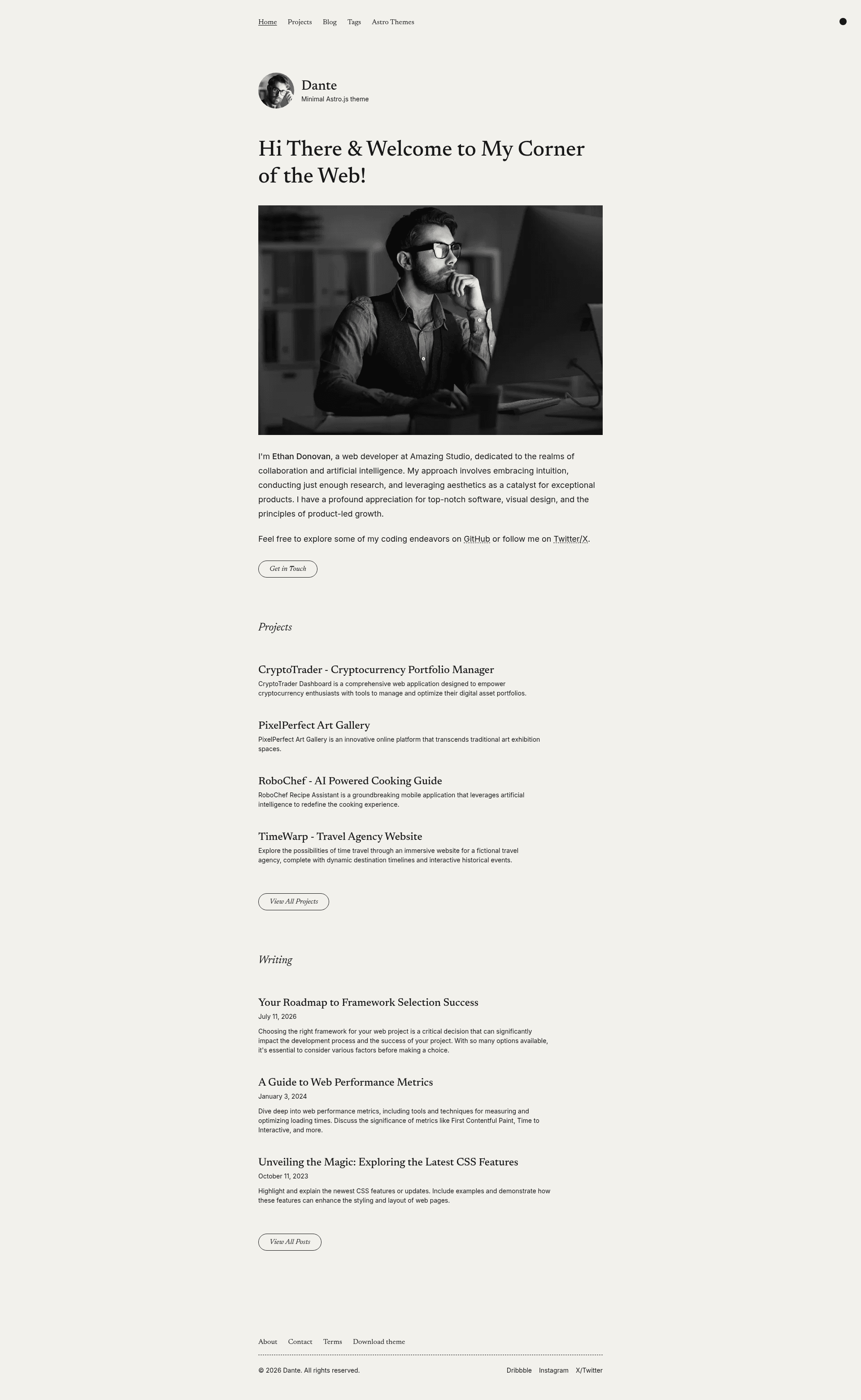
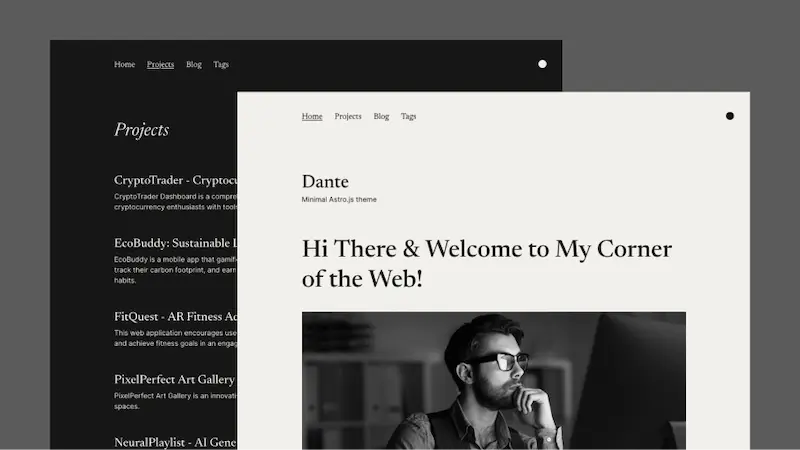
A free, open-source single-author blog and portfolio theme for Astro.js, styled with Tailwind CSS, created by Just Good UI.
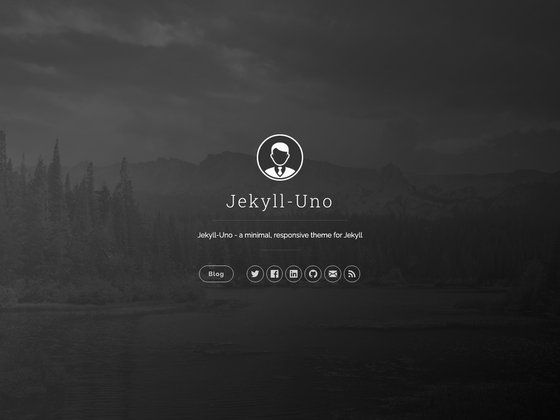
A minimal, responsive Jekyll theme based on the Uno theme for Ghost, with tags, categories, pagination, and comment support.
Jalpc-A is a Jekyll blog theme with AngularJS front end, featuring GitHub login, Leancloud backend, rich text editing, and comments.
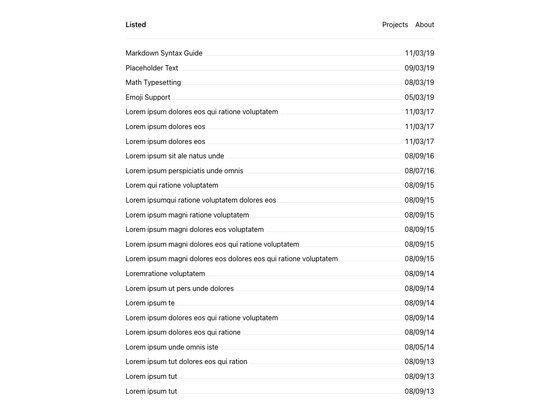
A minimalistic, clean and simple design Hugo theme for blogs, boasting 100/100 on performance audits.
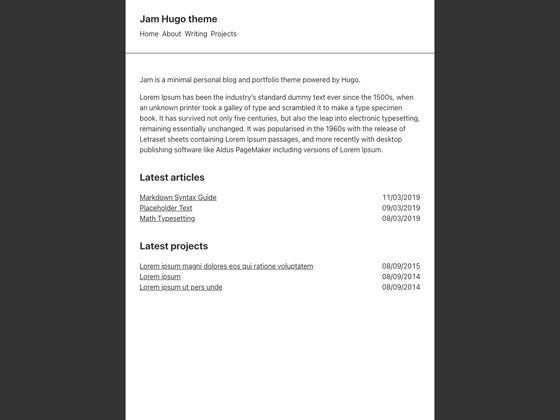
Jam is a minimal personal blog and portfolio theme powered by Hugo with no JavaScript.
Dante is a free, GPL-3.0-licensed single-author blog and portfolio theme for Astro.js, styled with Tailwind CSS, that turns Markdown and MDX content into an SEO-ready static site.
Dante is a single-author blog and portfolio theme built on Astro.js, styled with Tailwind CSS via the @tailwindcss/vite plugin, and published by Just Good UI. It ingests Markdown and MDX posts from Astro content collections and outputs a static site with a hero bio, portfolio listings, pagination, post tags, RSS feed, and sitemap. The theme requires Node.js 22.12.0 or newer, and its source is available on GitHub under the GPL-3.0 license.
Dante ships with SEO, performance, and content features wired up out of the box, including sitemap, RSS, and MDX integrations ready to use after install.
Dante fits creators who want a single-author site where writing stays in plain Markdown or MDX files and the theme handles layout, SEO, and feeds.
With Dante, you can publish and present content without touching layout code, since all site-wide settings live in one configuration file.
Dante is configured in a single TypeScript file, src/data/site-config.ts, which holds site identity, navigation, social links, hero content, newsletter form settings, and pagination counts. Content authors add blog posts and portfolio items as Markdown or MDX files in src/content, and images for those posts must live in src/assets so they pass through Astro's image() schema. The project is built with npm run build, which outputs the production site to ./dist/, and can be previewed locally with npm run preview before deployment.
Dante is free and open source, licensed under GPL-3.0, with the full source published on GitHub.
Just Good UI offers Ovidius as a comparable free single-author blog theme in the same Astro ecosystem.
Yes. Dante is licensed under the GPL-3.0 license, and its complete source is publicly available on the JustGoodUI GitHub repository, so you can use, modify, and redistribute it with attribution under the same license terms.
Dante requires Node.js 22.12.0 or newer. All commands, including npm install, npm run dev, and npm run build, are run from the root of the project in a terminal.
Yes. Dante supports both Markdown and MDX content through the @astrojs/mdx integration. Content collection images used in posts must be stored in src/assets to use Astro's image() schema.
Open src/data/site-config.ts, the single configuration object used across the theme. It controls site identity — title, description, avatar, and subtitle — plus navigation links, social URLs, hero content, newsletter settings, and posts-per-page pagination.
Yes. The repository includes a Netlify deploy button that creates a new repository identical to the theme and sets it up for immediate deployment on Netlify.