Newsletter
Join the Community
Subscribe to our newsletter for the latest news and updates

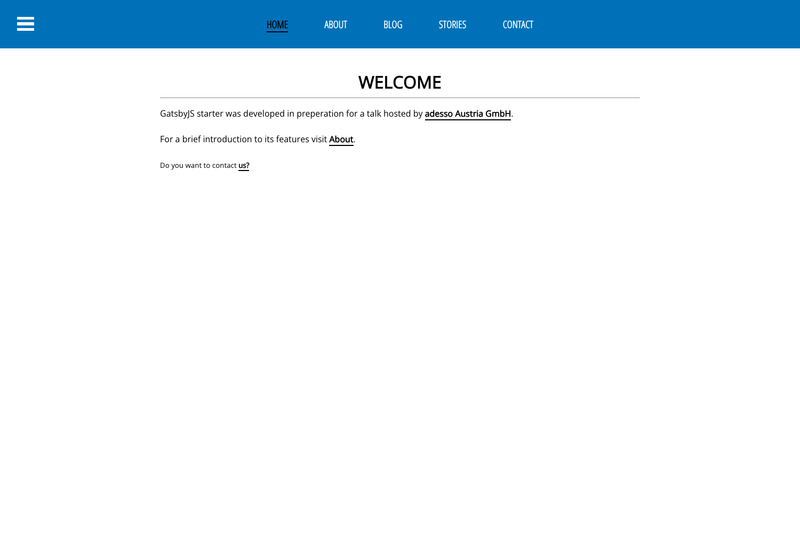
A JamStack introduction and starter blog created with GatsbyJS.
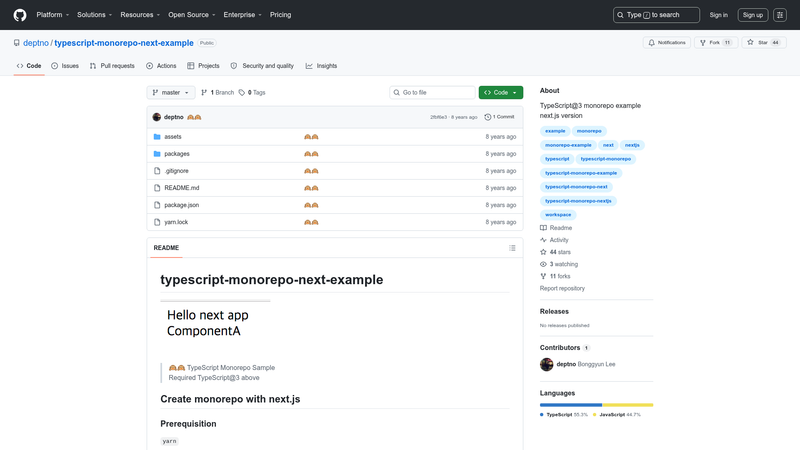
TypeScript 3 monorepo example using Next.js, Yarn workspaces, and a shared React component package.
Default Gatsby starter with TypeScript, ESLint, Prettier, and pre-configured Gatsby plugins for images and PWA.
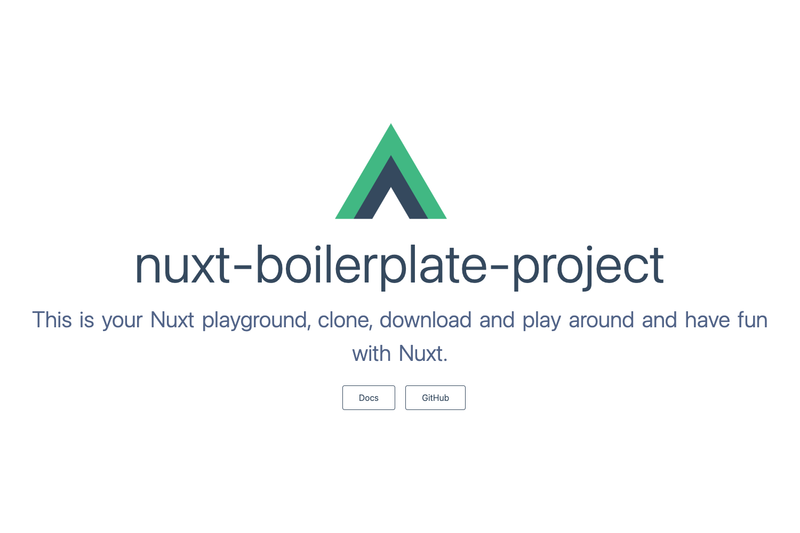
Vue.js app that can be deployed to Vercel with zero configuration.

guerrilla data for analysts with deadlines
JamStack-Gatsby is a GatsbyJS starter boilerplate that introduces the JamStack architecture through a blog backed by a headless CMS and connected to GraphQL. The project was prepared for a tech talk hosted by adesso Austria and serves as a hands-on example for developers already familiar with Node.js frameworks who want to see what the JamStack can do.
JamStack-Gatsby is a starter project that demonstrates the JamStack approach by combining GatsbyJS with a headless CMS and GraphQL. It takes local Markdown files and Instagram posts as content sources and outputs a static blog with PWA and offline support. The project relies on Gatsby's plugin system and is meant to be a learning resource rather than a production template.
yarn start and yarn run build to demonstrate Gatsby's development and build workflows during a talk or workshop.Install dependencies with yarn install, then start the development server with yarn start. For a production build, run yarn run build. The project requires Node.js version 10.15.3 or later and gatsby-cli version 2.5.12 or later.
You need Node.js version 10.15.3 or higher and gatsby-cli version 2.5.12 or higher installed on your system.
After running yarn install, use yarn start to launch the development server. This gives you hot reloading and live preview.
Yes, it uses gatsby-transformer-remark to transform Markdown content into HTML, so you can write posts in Markdown and have them rendered as blog pages.
Yes, it includes gatsby-plugin-sw for service worker support and gatsby-plugin-manifest for PWA capabilities, enabling offline access after the first visit.
The project includes gatsby-plugin-sass, so you can write styles in Sass or SCSS. It also bundles node-sass as the compiler.