Newsletter
Join the Community
Subscribe to our newsletter for the latest news and updates

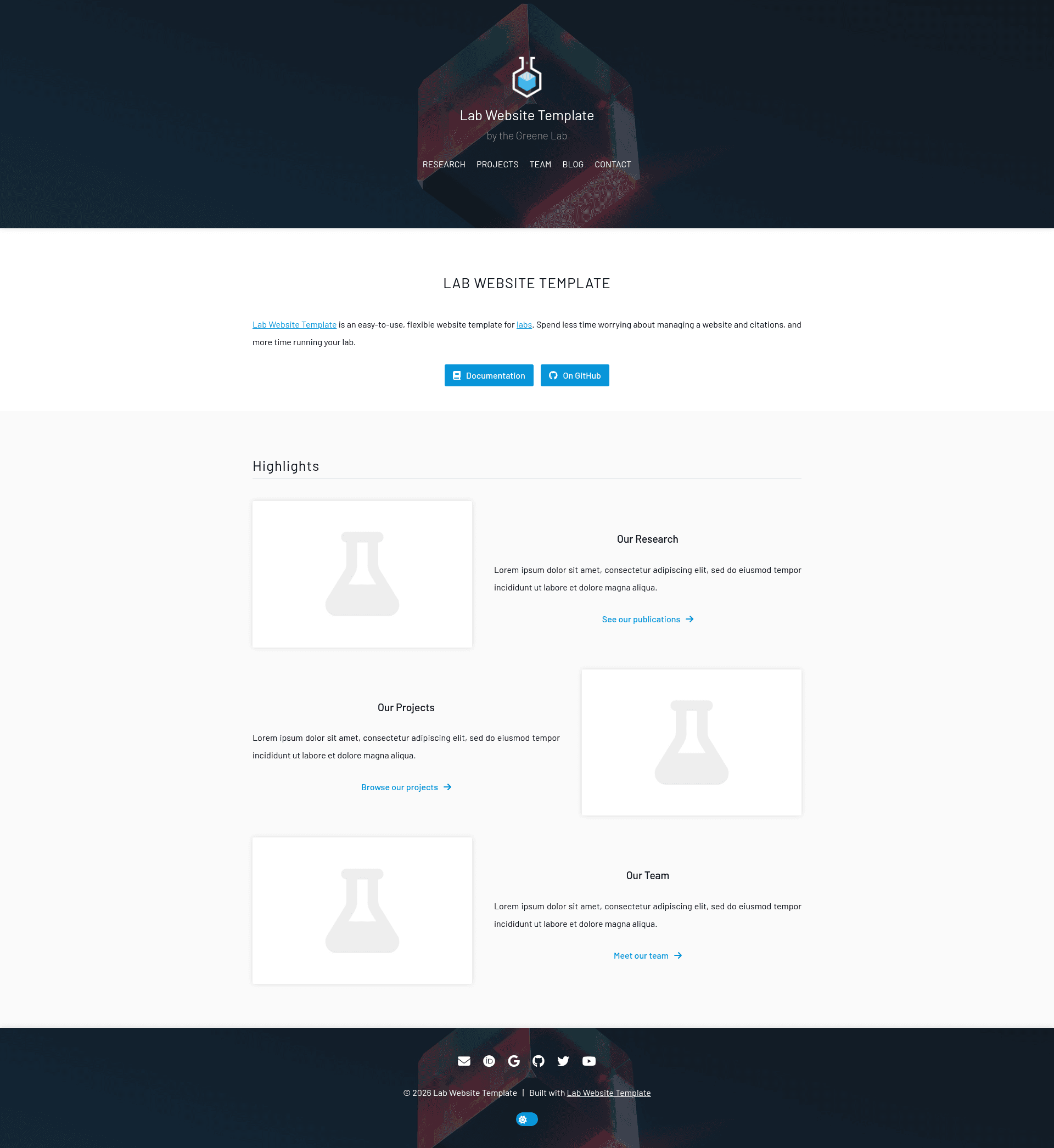
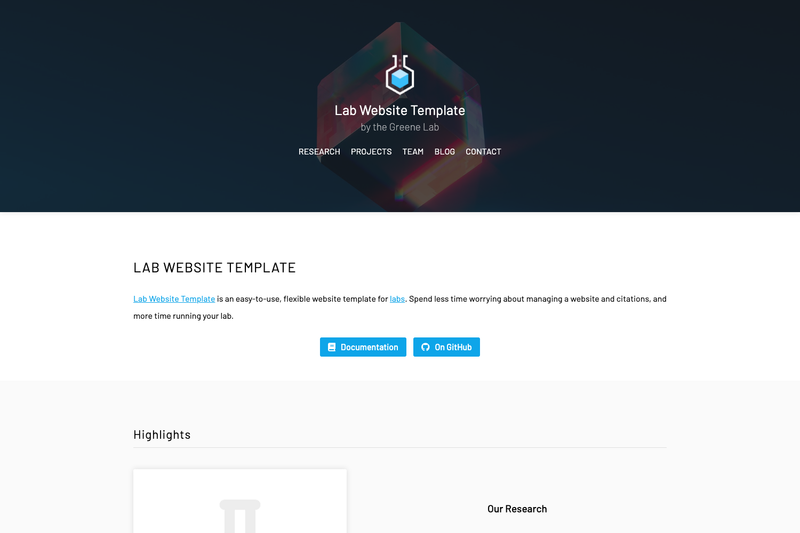
An easy-to-use, flexible website template for labs, built on Jekyll and GitHub with auto-generated citations.
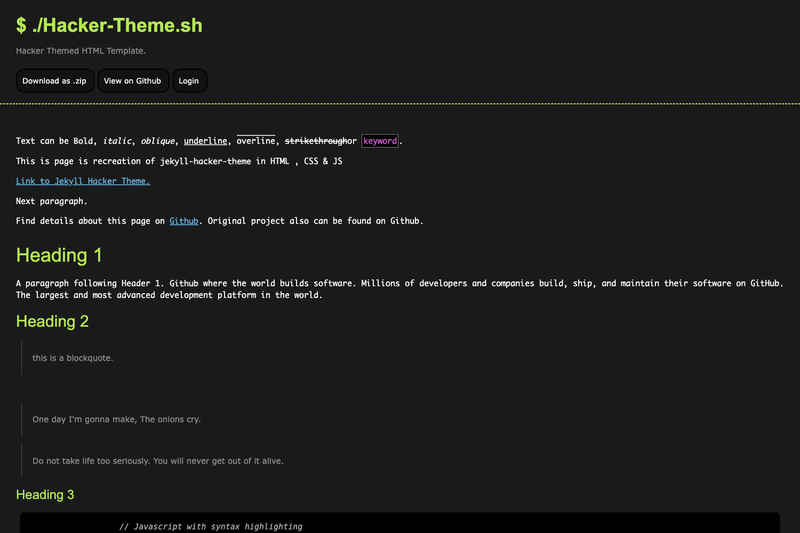
A plain HTML, CSS, and JavaScript recreation of the GitHub Hacker theme, hostable on any standard web server.
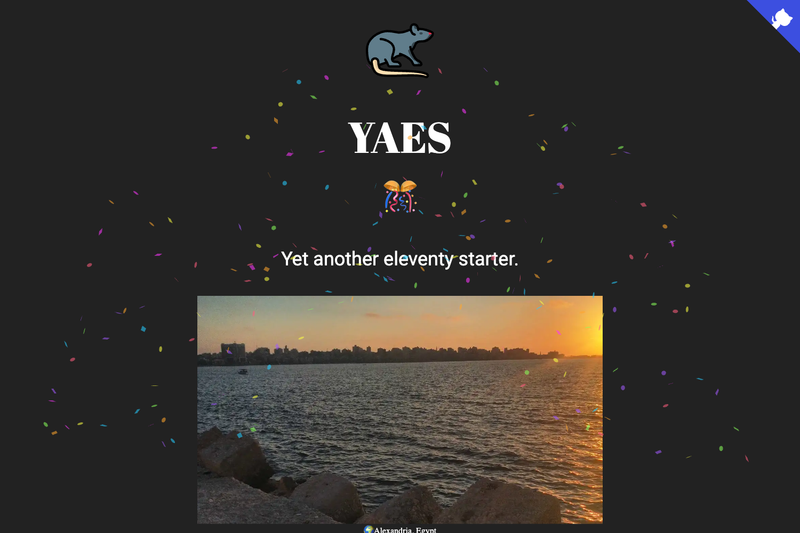
Starter kit for your next eleventy(11ty) project using postcss, es6, snowpack, webpack.
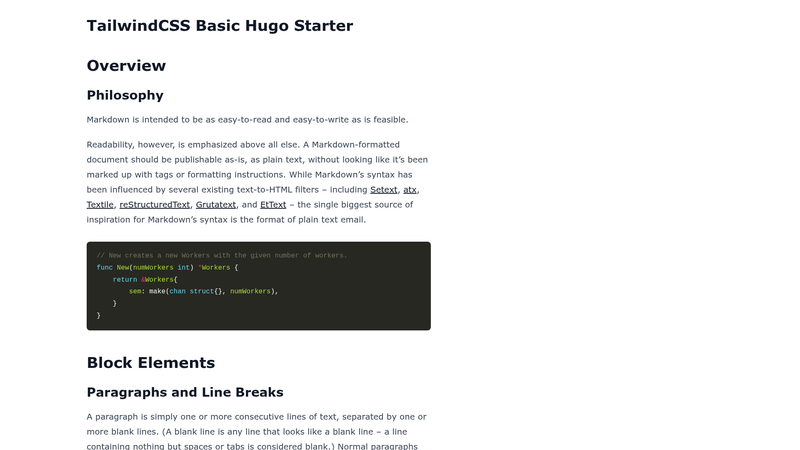
A minimal Hugo starter integrating Tailwind CSS, PostCSS, and PurgeCSS for fast static sites.
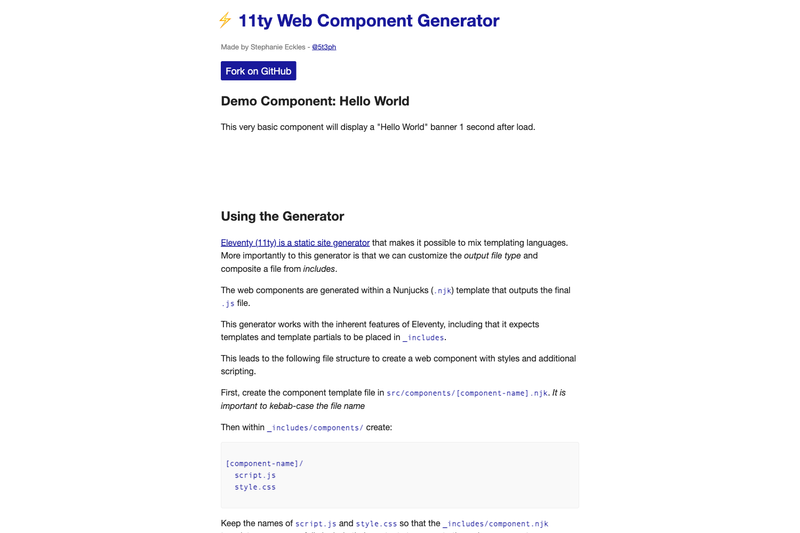
Use the power of 11ty to generate web components (custom elements).
Lab Website Template (LWT) is a Jekyll-based website template for research laboratories that automates citation generation and GitHub-based site deployment.
Lab Website Template is an easy-to-use, flexible website template for labs, built on Git, GitHub, and Jekyll. It takes simple identifiers such as DOIs, PubMed IDs, or ORCIDs and automatically generates formatted citations with titles, authors, publishers, and dates using Manubot. The template is maintained by the Greene Lab and distributed through GitHub with documentation on GitBook. It produces a complete lab website with team member pages, blog posts, and component-based layouts that work on desktop and mobile.
This template is ideal for research laboratories that want a professional web presence without rebuilding a site from scratch. Lab principal investigators can quickly launch a site with publication lists and team bios. Lab managers can maintain the site through GitHub workflows without deep web development knowledge. Researchers and postdocs can add blog posts and update their profiles using simple Markdown files and identifiers.
The workflow revolves around GitHub and Jekyll. A lab collaborator edits Markdown files in the repository, adds citation identifiers for publications, and opens a pull request. The template automatically builds a Jekyll site, generates citations via Manubot, and creates a preview of the result. Once merged, the live site is updated. The full setup and usage instructions are in the GitBook documentation linked from the repository.
The template is hosted openly on GitHub under the greenelab organization, and the repository is publicly accessible. The project page does not specify a license, but it is distributed as a reusable template without any mention of paid tiers or fees.
Lab Website Template is built on Jekyll, a popular static site generator written in Ruby. It works with Git and GitHub for version control and automated builds.
You simply provide a simple identifier like a DOI, PubMed ID, or ORCID. The template uses Manubot to automatically fetch the metadata and produce a formatted citation with title, authors, publisher, and date.
Yes. The template is configured to create automatic pull request previews. Any changes you make in a pull request are built and previewed so you can review the result before merging.
Yes, the template is designed to be responsive and looks good on both desktop and mobile screens.