Newsletter
Join the Community
Subscribe to our newsletter for the latest news and updates

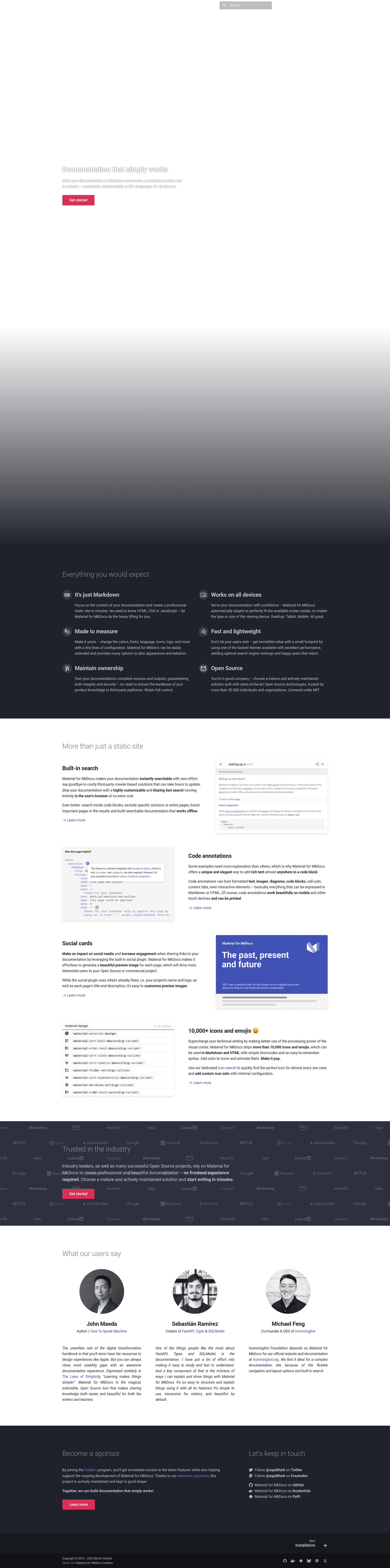
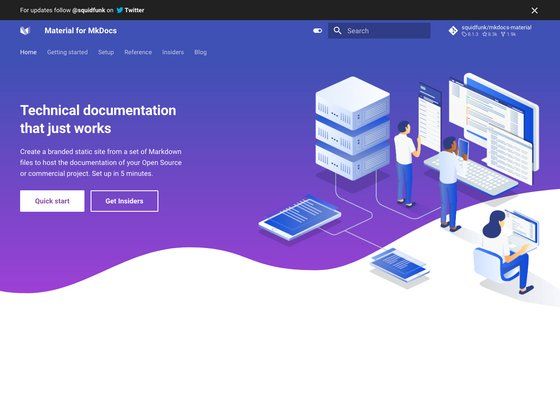
Material for MkDocs is a documentation framework on top of MkDocs that turns Markdown into a professional static site.
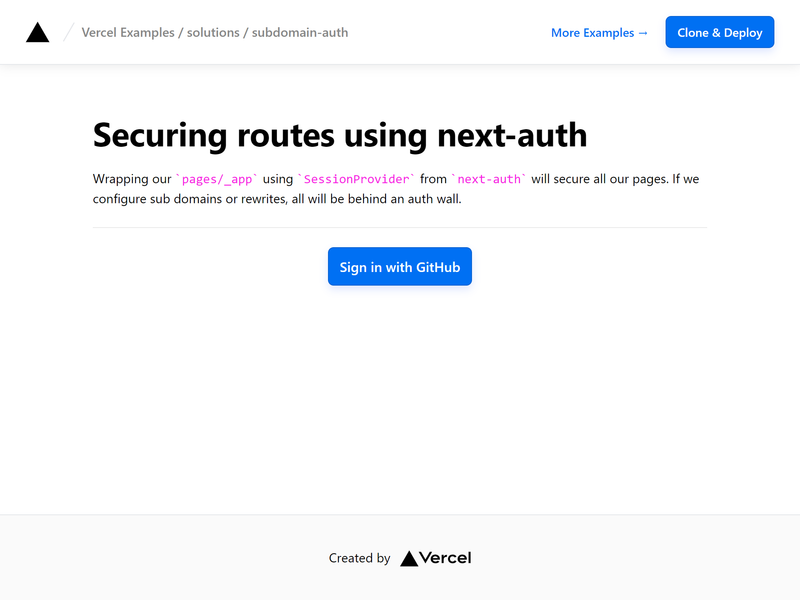
Learn how to secure subdomains using Next.js and NextAuth.
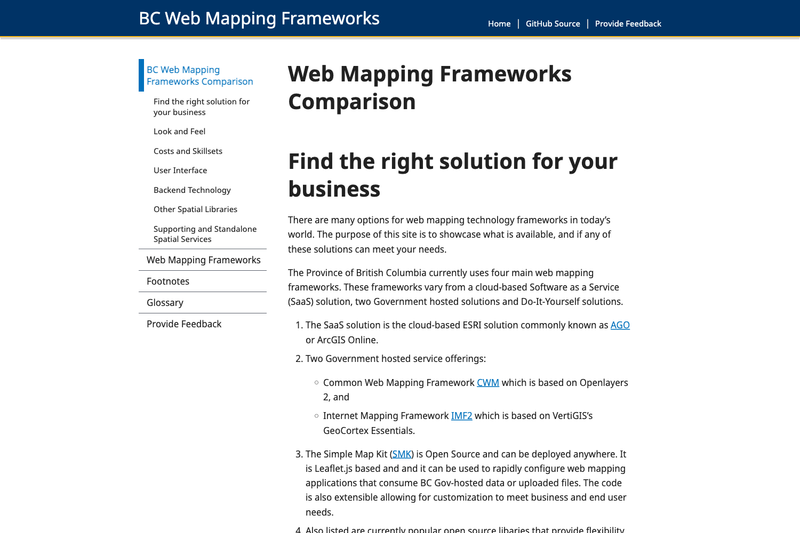
BC Web Mapping Technological Solutions And Experiences
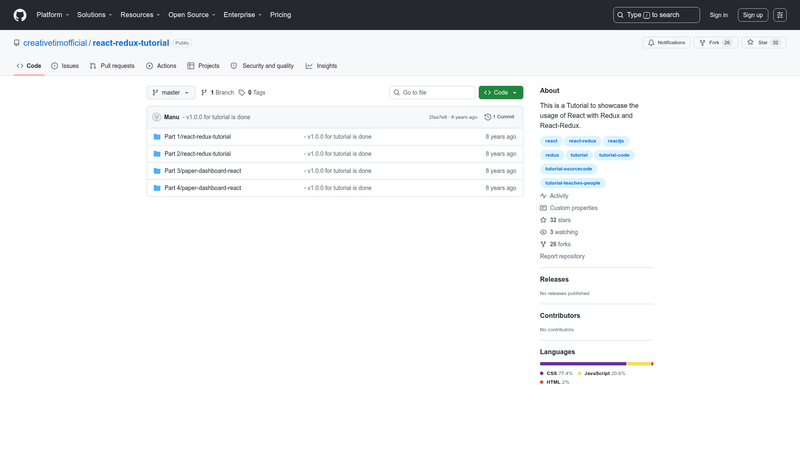
A tutorial repository showing how to use React with Redux and React-Redux through example code.
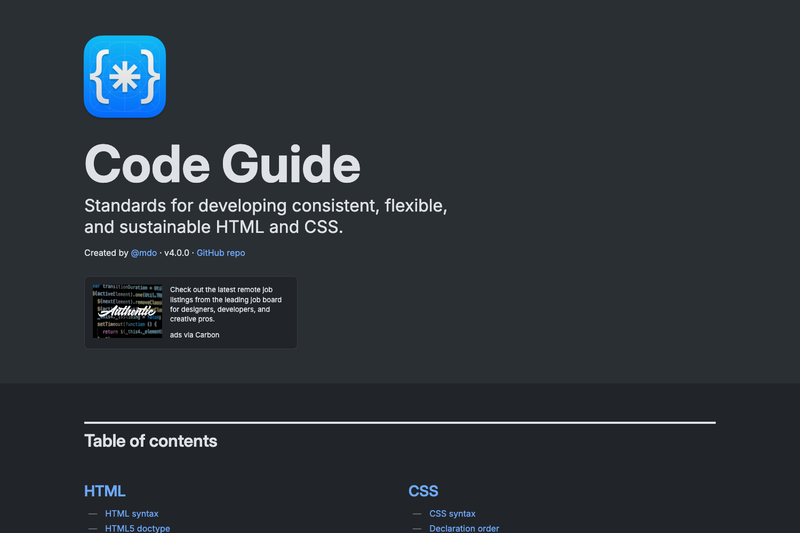
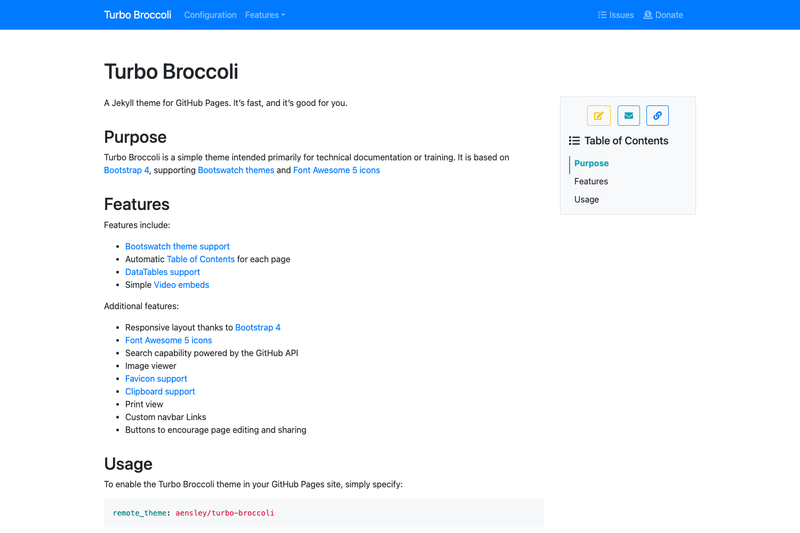
Standards for developing consistent, flexible, and sustainable HTML and CSS.
Material for MkDocs is a documentation framework built on top of MkDocs that converts Markdown files into a professional, searchable static site.
Material for MkDocs is a theme and documentation framework that runs on the Python-based static site generator MkDocs. It takes Markdown files and produces a static HTML site that is searchable, customizable, and responsive across devices. The project is maintained by Martin Donath (GitHub user squidfunk) and released under the MIT License. With more than 27,000 GitHub stars, it is one of the most widely used MkDocs themes.
Install the theme with pip install mkdocs-material, then add theme: name: material to your mkdocs.yml file. Write Markdown pages in the docs directory and run mkdocs serve for local preview or mkdocs build to generate the static site for deployment.
Material for MkDocs is free and open source under the MIT License. No paid tiers or commercial licensing fees are mentioned.
Yes, Material for MkDocs is free and open source, released under the MIT License. You can use it for personal, open source, and commercial projects without paying a license fee.
Install it with pip: pip install mkdocs-material. Then add theme: name: material to your mkdocs.yml configuration and run mkdocs to build or serve your documentation site.
It is used by industry leaders such as AWS, Google, Microsoft, Netflix, and OpenAI, as well as open source projects including FastAPI, Polars, PyPI, and Arduino. The README lists more than 25 industry leaders and 50+ open source projects.
Yes, it supports more than 60 languages for both the interface and search functionality, making it suitable for multilingual documentation sites.
No, you write your documentation in Markdown. The theme generates the HTML and styles for you. Advanced customization via CSS is possible but not required for a professional result.