Newsletter
Join the Community
Subscribe to our newsletter for the latest news and updates

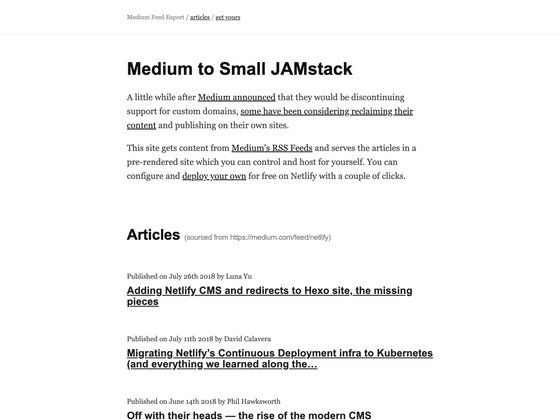
Generate a JAMstack site from any Medium RSS feed using Eleventy and Netlify, with one-click deploy.
Starter project for Gatsby.js with Firebase authentication and dynamic pages from Firestore collections.
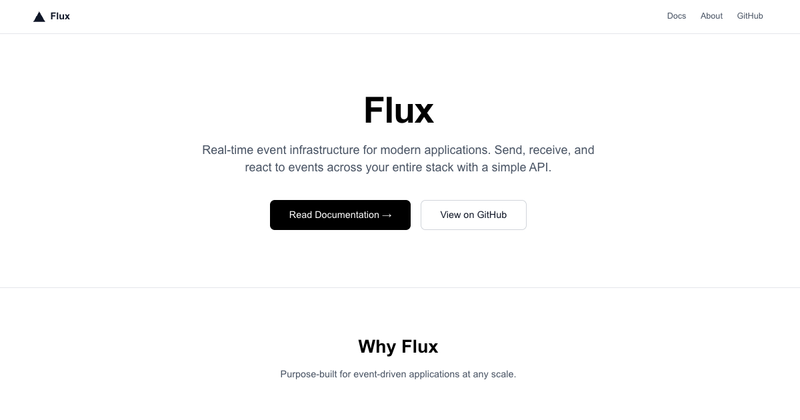
Serve Mintlify-hosted docs from your main domain using vercel.ts rewrites, building a product site with integrated documentation.
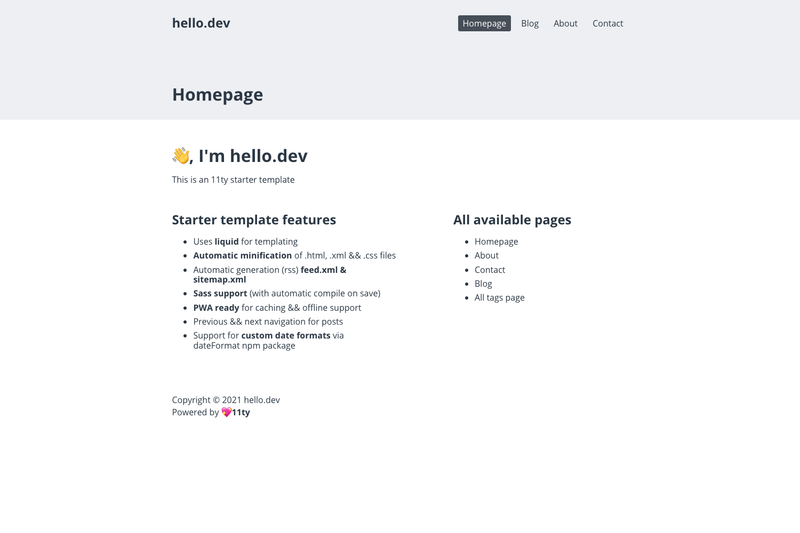
A fast eleventy template to get you started
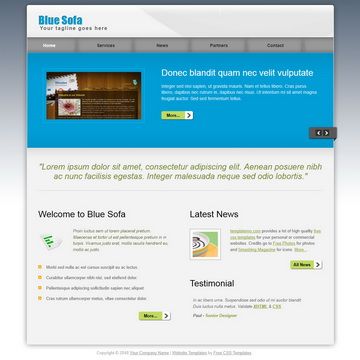
Free W3C-compliant HTML/CSS website template from TemplateMo with 5 editable pages and a silver-blue theme.
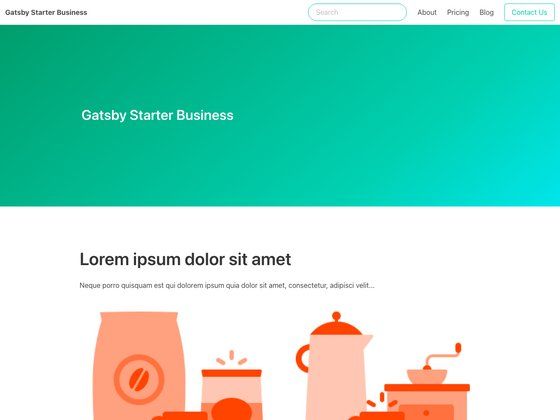
A Gatsby v2 and Netlify CMS powered boilerplate for building a generic business website with blog and contact pages.
Medium Export is an Eleventy-powered JAMstack starter that turns any Medium RSS feed into a static site, deployable to Netlify in one click.
Medium Export is a demo project by Phil Hawksworth that shows how easy it is to generate a site from an RSS feed, specifically a Medium RSS feed. It takes a Medium RSS feed URL as input and, at build time, generates a static website from that feed. The template runs on Netlify with continuous deployment and uses Eleventy (11ty) as the static site generator. The repository is named philhawksworth/medium-export and is available on GitHub.
Clicking the Deploy to Netlify button clones the repository into your GitHub account, prompts you to supply a Medium RSS feed URL, then builds and deploys the site within about a minute. For local development, you clone the repo, run yarn to install dependencies, and run yarn start to generate and serve the site while watching for changes. The feed is ingested during the build step.
The template is open source and free to use. You'll need a Netlify account to deploy; Netlify offers a free tier, but the template page doesn't specify any limits.
Only Node and npm or Yarn are required. After cloning, run yarn to install dependencies, then yarn start to serve a live-reloading local version of the site.
Yes, any Medium RSS feed URL works as long as it's publicly accessible. Examples include profile feeds like https://medium.com/feed/@philhawksworth and publication feeds like https://medium.com/feed/netlify.
Netlify clones the repository into your GitHub account, asks you for the feed URL, creates a new site linked to that repo, then builds and deploys it. The whole process takes under a minute.