Newsletter
Join the Community
Subscribe to our newsletter for the latest news and updates

A boilerplate website using Middleman and Netlify CMS, deployable to Netlify with one click.
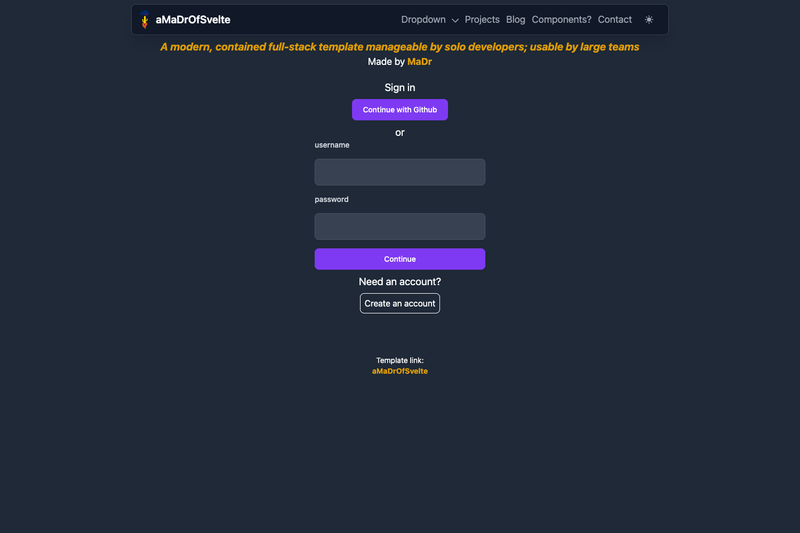
A production-oriented SvelteKit starter with Svelte 5, Drizzle ORM, Turso SQLite, Better Auth GitHub OAuth, Tailwind CSS 4, and shadcn-svelte UI.
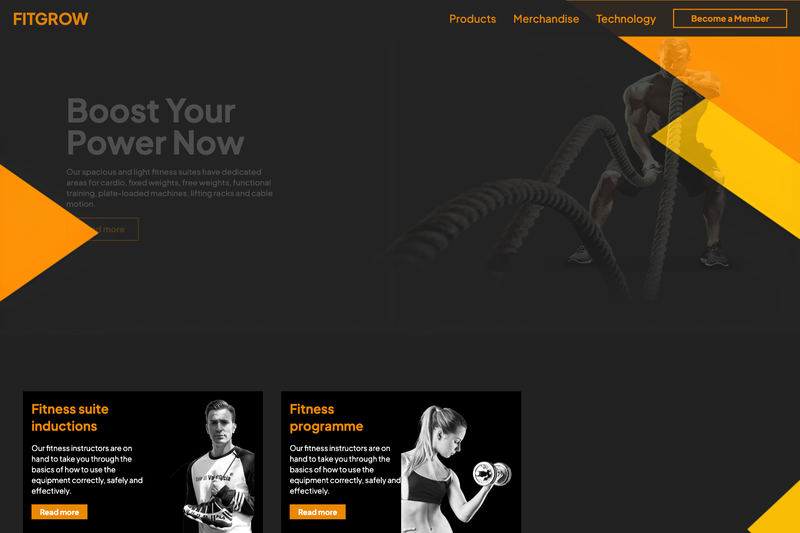
Responsive gym landing page template built with Next.js, Tailwind CSS, and Framer Motion.
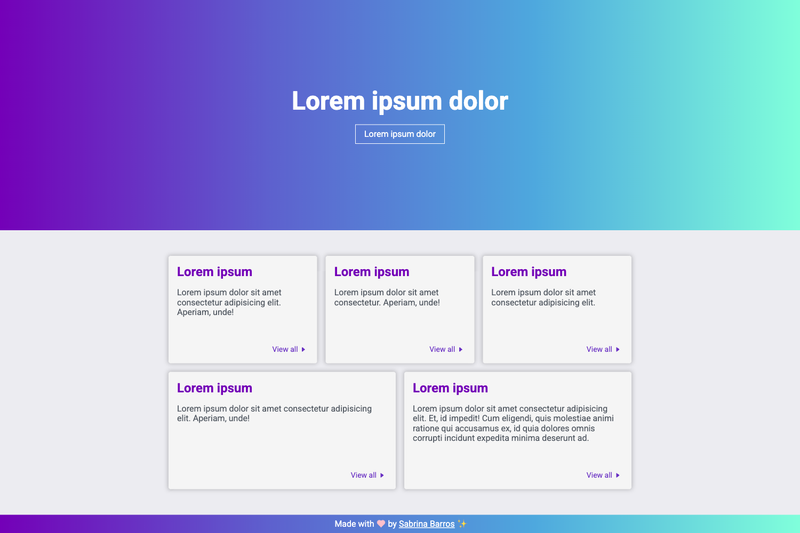
Simple and elegant Front-End boilerplate, developed with HTML and vanilla CSS.
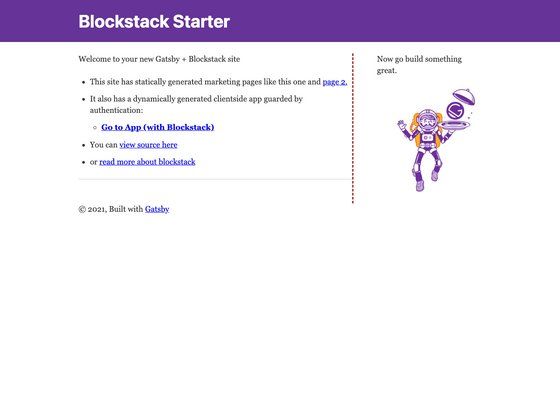
A Gatsby starter for building decentralized apps with Blockstack authentication, deployable to Netlify in one click.
Middleman + Netlify CMS Starter is a boilerplate website that combines the Ruby-based Middleman static site generator with Netlify CMS, giving non-technical editors a browser-based interface for publishing content to a static site deployed on Netlify.
This starter is an example website built with Middleman and Netlify CMS, designed and developed by Tom Rutgers. It takes a Middleman project (Ruby-based static site generator) and pairs it with Netlify CMS, a content management system for static site generators. The output is a static website that can be deployed to Netlify, with content edits managed through the CMS. The repository includes the source code, configuration files, and a live example at https://middleman-netlify-cms.netlify.com/.
docker-compose build and docker-compose run --service-ports web middleman server.bundle install, and start a local server with middleman server.Deployment starts with the Deploy to Netlify button, which copies the repository to your GitHub account and creates a new Netlify site. After the build completes, you enable Netlify Identity to authorize user logins and turn on Git Gateway so CMS edits become commits in your repository. For local development, either use the Docker commands or install Ruby dependencies with bundler and run middleman server.
Other static site generator plus Netlify CMS starter templates exist for Jekyll, Hugo, and Gatsby, giving users similar content editing workflows with different SSG tooling.
The starter repository is open source and free to use. You will need a GitHub account and a Netlify account; Netlify offers a free tier for static sites, though you may incur costs for additional bandwidth or users depending on your plan.
You need a GitHub account for authentication when using the Deploy to Netlify button, and a Netlify account. For local development, install Ruby and bundle, or use Docker with the provided docker-compose.yml file.
You don't need to know Ruby to use the CMS interface, because Netlify CMS provides a browser-based editor. However, local development and customization of the Middleman templates require some familiarity with Ruby and the Middleman configuration.
Netlify CMS presents a simple editing interface. When a user saves a change, Git Gateway commits the updated Markdown files to the connected GitHub repository, triggering a rebuild on Netlify.
Netlify CMS can run in any frontend web environment, but this starter is tuned for Netlify's hosting and identity services. The one-click deploy and Git Gateway setup are Netlify specific; using another host would require additional configuration.