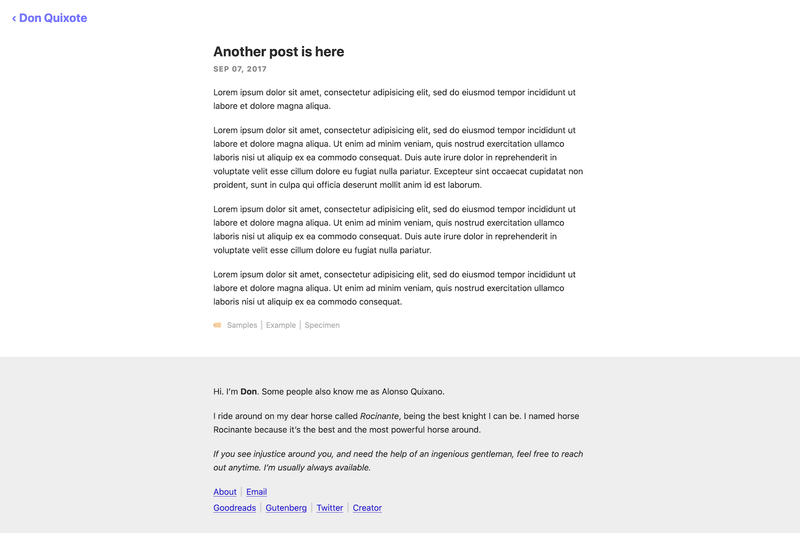
Mongolian Data Stories is a Jekyll-built blog repository that stores all posts, datasets, code, and Jupyter notebooks for data-science stories focused on Mongolia, hosted for free on GitHub Pages. This public repository, authored by robertritz, currently has 2 stars and uses GitHub Pages as its hosting platform.
What is Mongolian Data Stories?
Mongolian Data Stories is the source repository behind the blog of the same name. It contains the full set of blog posts, the data those posts analyze, the code used to process that data, and Jupyter notebooks that document each analysis step. The repository is built with Jekyll, a static site generator, and is hosted on GitHub Pages, so the blog is served directly from the repo at no hosting cost.
Key Features
- Jekyll static site generation — Jekyll transforms Markdown posts into a static website, which makes the blog fast and eliminates the need for a database or server-side application.
- GitHub Pages hosting — The site is published automatically from the repository, so adding a new post is as simple as pushing a commit to the main branch.
- Jupyter Notebook integration — The repository's primary language is Jupyter Notebook, meaning the analysis code is stored as executable notebooks that accompany each story.
- Data and code versioning — Datasets and scripts are stored alongside the posts, allowing readers to verify every claim against the exact inputs used.
- Niche topical focus — The blog covers data science applied to Mongolia, a specific geographic angle that differentiates it from general data blogs.
- Open accessibility — As a public GitHub repository, anyone can clone, fork, or inspect the full site source and notebook code.
Who should use Mongolian Data Stories?
- Data journalists — This repository shows a reproducible workflow for pairing narrative articles with executable Jupyter notebooks, all delivered through a free static site setup.
- Data science learners — By reading the notebooks and rerunning the code, learners can see how real datasets about Mongolia are cleaned, explored, and visualized.
- Researchers focused on Mongolia — The repository publishes original datasets with each post, making it a reusable source of data for other studies.
What can you do with Mongolian Data Stories?
- Publish a similar data-driven blog — Use the Jekyll and GitHub Pages approach as a blueprint for building a low-cost blog that includes code and data.
- Reproduce the published analyses — Clone the repo and execute the Jupyter notebooks locally to regenerate every chart and statistic in the posts.
- Learn Jekyll for content sites — Explore the repository's file structure to understand how Jekyll organizes posts, layouts, and configuration while supporting notebook output.