Newsletter
Join the Community
Subscribe to our newsletter for the latest news and updates

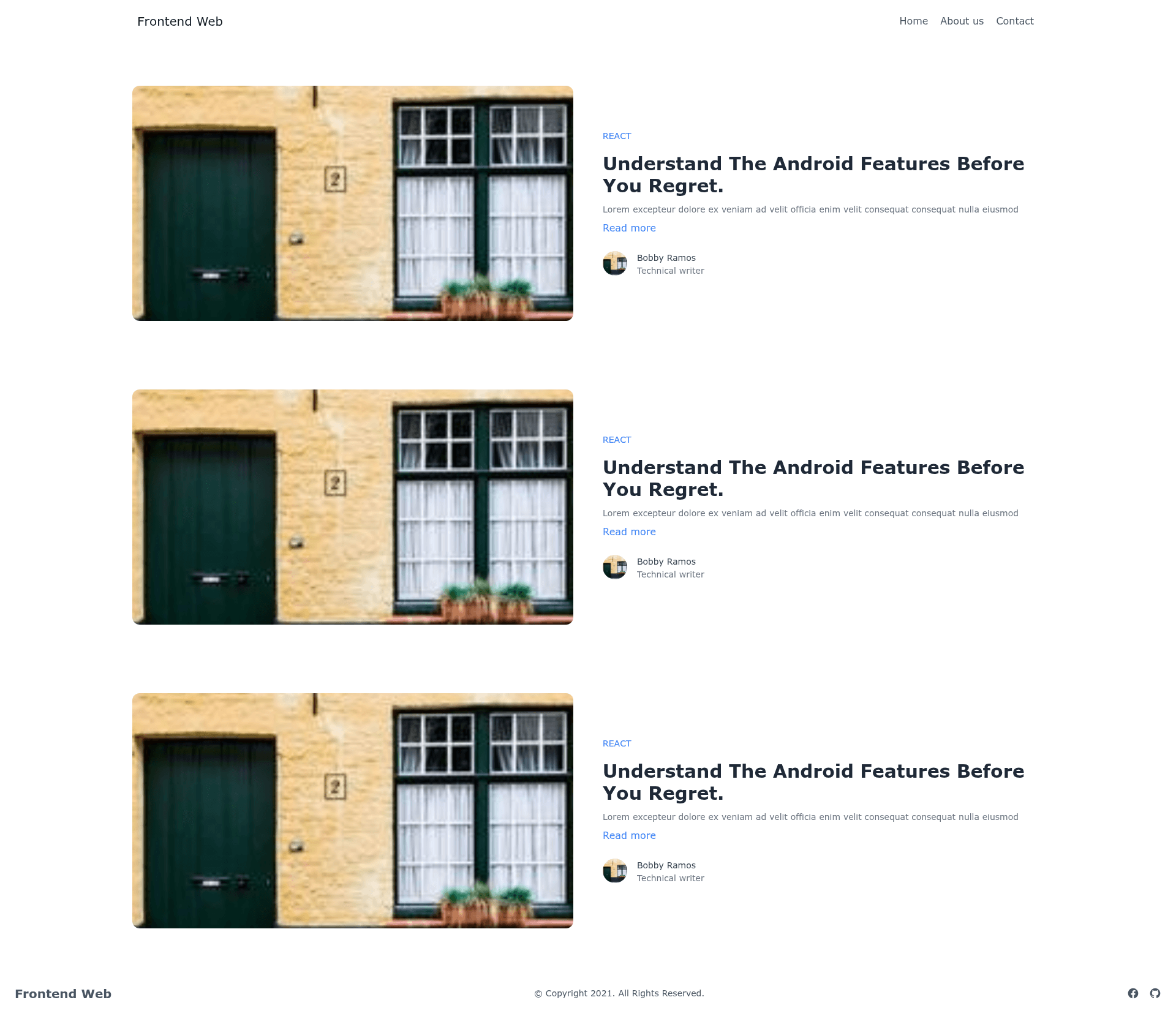
Next.js starter template for building apps with multiple distinct page layouts.
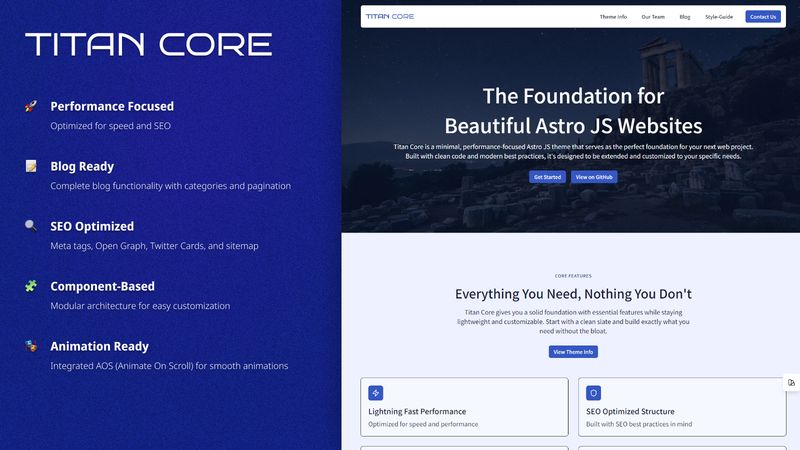
High-performance Astro theme for modern websites, blogs, and portfolios with multiple themes, blog support, and SEO optimization.
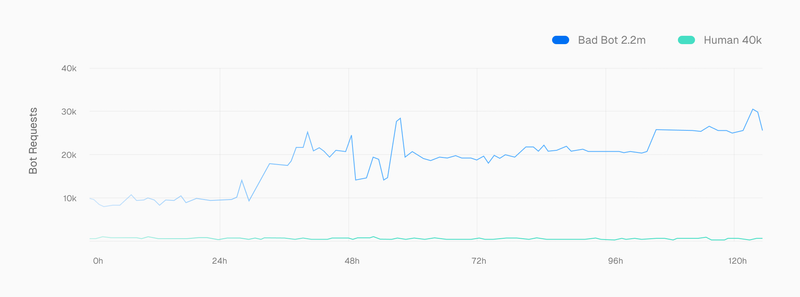
An AI chat app on Next.js that integrates Kasada bot protection to block abusive LLM API calls before they occur.
Opinionated Vite + Vue 3 starter template with auto-imports, UnoCSS, PWA, i18n, and SSG
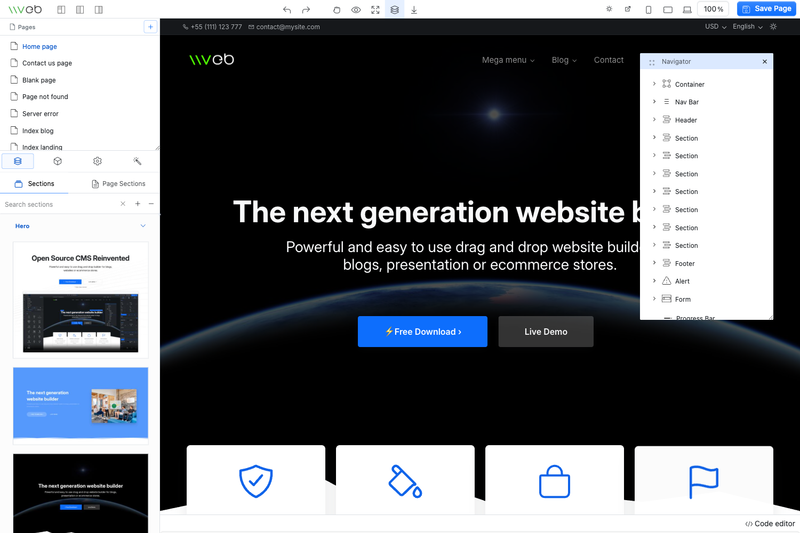
Free Bootstrap 5 HTML template and UI kit with 100+ sections for landing pages, blogs, shops, and user dashboards.
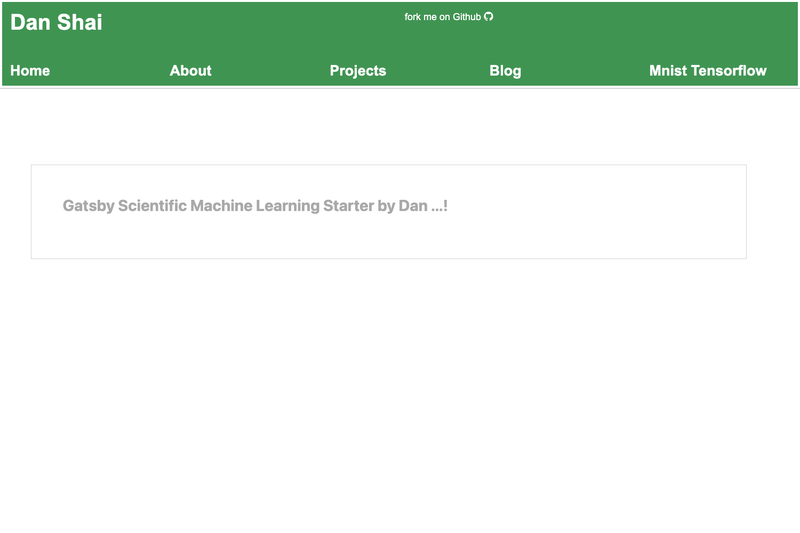
A Gatsby V1 starter blog for machine learning, math, and science writing with interactive demos.
Multiple Layout is a minimal Next.js boilerplate that demonstrates how to apply different layouts to different pages within a single application.
Multiple Layout is a public GitHub repository by user officialrajdeepsingh that serves as a Next.js template focused on the concept of multiple layouts. It takes a cloned copy of the repository and produces a runnable Next.js application on your local development server. The project's topics list it as a nextjs-boilerplate and nextjs-template, signaling that its purpose is to be a starting point for Next.js projects that need more than one layout structure.
The repository is intentionally small: the README only provides installation and run instructions, so the actual demonstration of multiple layouts is inside the code. As a Next.js app, it inherits the framework's file-based routing and layout composition capabilities, which let developers define a root layout and then override or add layouts for specific routes.
The README describes a straightforward workflow. First, clone the GitHub repository to your machine using the provided git clone command. Next, install dependencies with npm, yarn, or pnpm — the commands for all three package managers are listed. Finally, start the development server; the app will be reachable at http://localhost:3000 in your browser.
Multiple Layout is a Next.js boilerplate that demonstrates how to give different pages of a single application their own layout. It is a small, public GitHub repository that you can clone and run locally.
Yes. The repository is public on GitHub, and no license or pricing information is mentioned in the README. Since it is a public template, you can clone and use it without payment.
It shows one approach to implementing multiple layouts in Next.js. Instead of forcing every page to share the same outer structure, the template lets different routes or sections use different layout components.
Run git clone on the repository URL, then install dependencies with npm install, yarn install, or pnpm install. After that, start the development server with npm run dev, yarn dev, or pnpm dev and open your browser to localhost:3000.