Newsletter
Join the Community
Subscribe to our newsletter for the latest news and updates

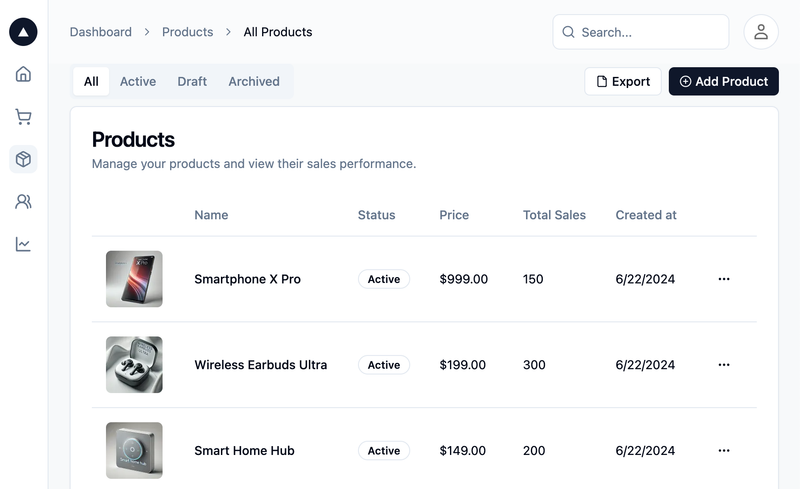
Admin dashboard starter with Next.js App Router, Tailwind CSS, Postgres, and Auth.js, deployable on Vercel.
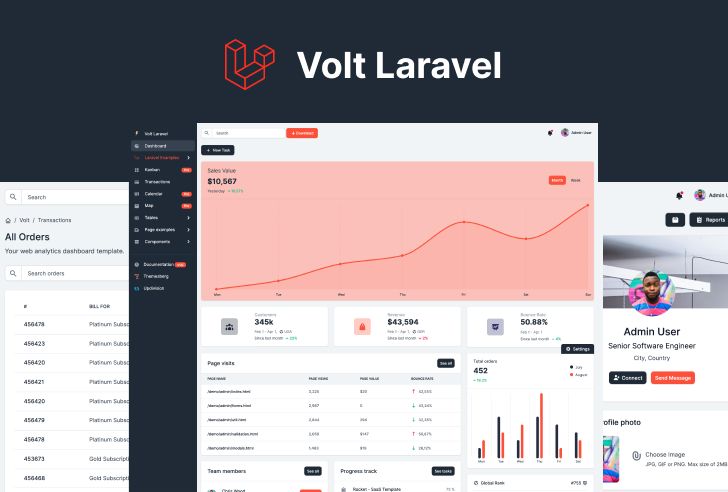
Free and open-source Laravel admin dashboard built with Livewire & Alpine.js on Bootstrap 5.
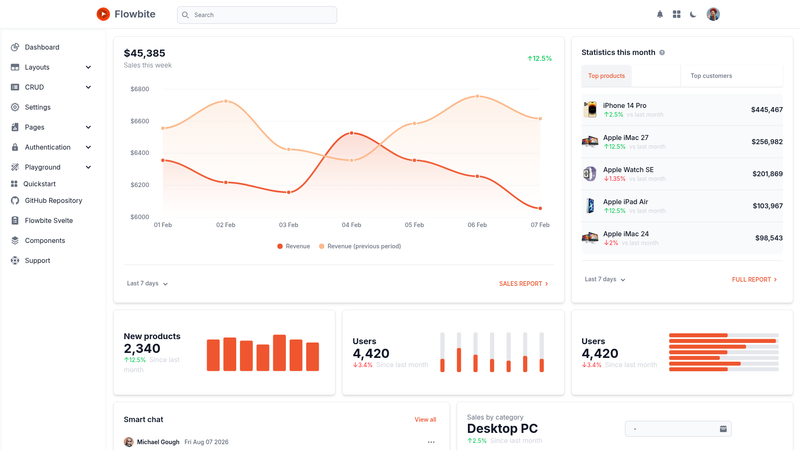
Free and open-source admin dashboard template built with Flowbite, Svelte, and Tailwind CSS
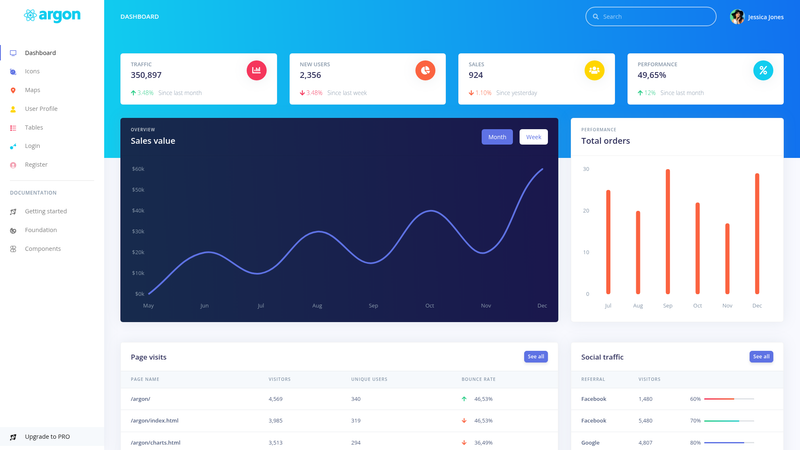
Free React admin dashboard built with Bootstrap 4 and Reactstrap, featuring 100+ components and example pages.
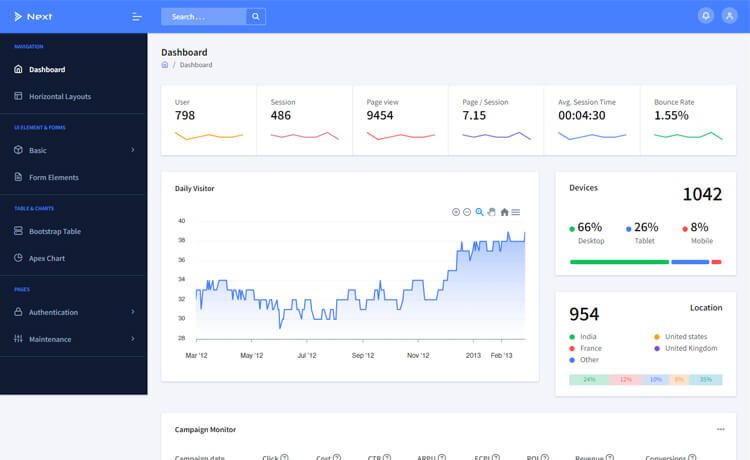
Free responsive HTML5 admin dashboard template built with Angular featuring 50+ charts, 4 auth pages, and a collapsible sidebar.
Next.js 15 Admin Dashboard Template is a Vercel-published starter for building admin dashboards on the Next.js App Router with TypeScript, Tailwind CSS, Postgres, and Auth.js. The template offers a one-click Clone & Deploy flow on Vercel and includes a products table schema, a seed API, and GitHub OAuth authentication.
It is a starter template for admin dashboards that runs on Next.js 15 with the App Router. It takes a Postgres database schema and environment variables as input and produces a working admin dashboard for managing products, complete with authentication. The template is published by Vercel and can be deployed directly from the Vercel template gallery. It includes TypeScript support, Tailwind CSS styling, and Shadcn UI components.
This template comes with a full stack already wired together. The main features are:
.env.example to .env and creating a GitHub OAuth application.app/api/seed.ts populates the database with sample products after you create the table and uncomment the file.Developers who want to bootstrap an admin dashboard with a modern stack should use this template. Teams building internal tools or customer-facing admin panels will find the Auth.js, Postgres, and Tailwind setup a quick starting point. It is also useful for anyone who wants a reference implementation of the Next.js App Router with server-side data fetching and protected routes.
During Vercel deployment, you are prompted to create a new Postgres database and the necessary environment variables are added automatically. Inside the Vercel Postgres dashboard, create a table based on the schema in the repository using the provided SQL. Then uncomment app/api/seed.ts and call http://localhost:3000/api/seed to seed the database. Copy .env.example to .env, configure GitHub OAuth, install dependencies with pnpm install, and run pnpm dev to start the development server at localhost:3000.
Yes, it uses Auth.js with GitHub OAuth. You need to create a GitHub OAuth application and set the environment variables as described in .env.example.
It uses Vercel Postgres. The repository includes a SQL schema for a products table, and the seed API populates it with sample data.
The deployment and environment setup are designed for Vercel Postgres, but since it is a Next.js project, you can run it locally with pnpm and configure any Postgres database by setting the appropriate environment variables.
Yes, the entire template is written in TypeScript and uses TypeScript throughout the app, including API routes and components.