Newsletter
Join the Community
Subscribe to our newsletter for the latest news and updates

Next.js authentication boilerplate with JWT, edge middleware, serverless API routes, Prisma, PostgreSQL, and Tailwind.
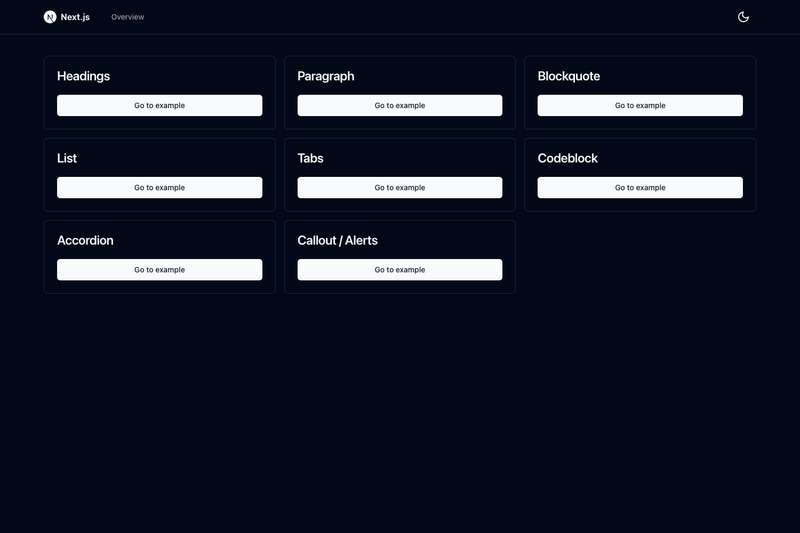
A Next.js 13 boilerplate that pairs Markdoc content rendering with shadcn/ui components.
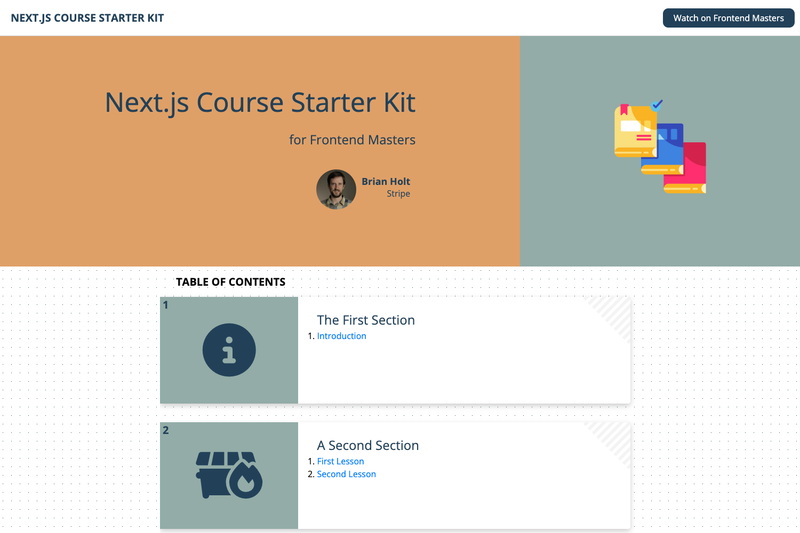
Next.js starter template for building Markdown-based course websites for Frontend Masters and GitHub Pages.
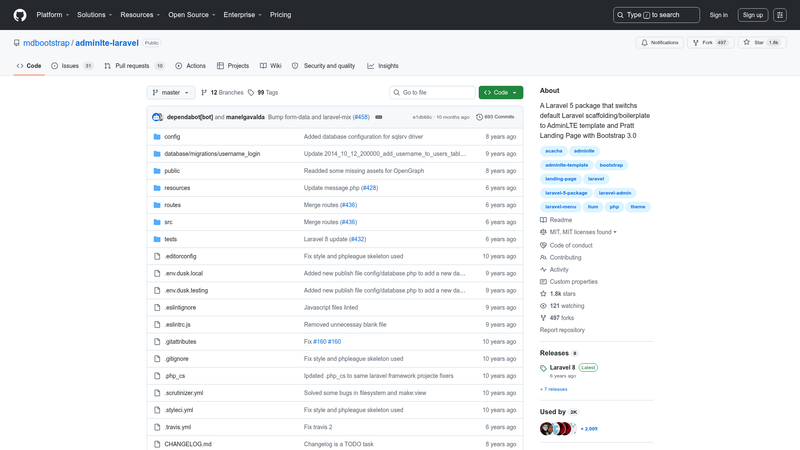
A Laravel package that replaces default Laravel scaffolding with the AdminLTE admin template, Bootstrap 3, and Pratt landing page.
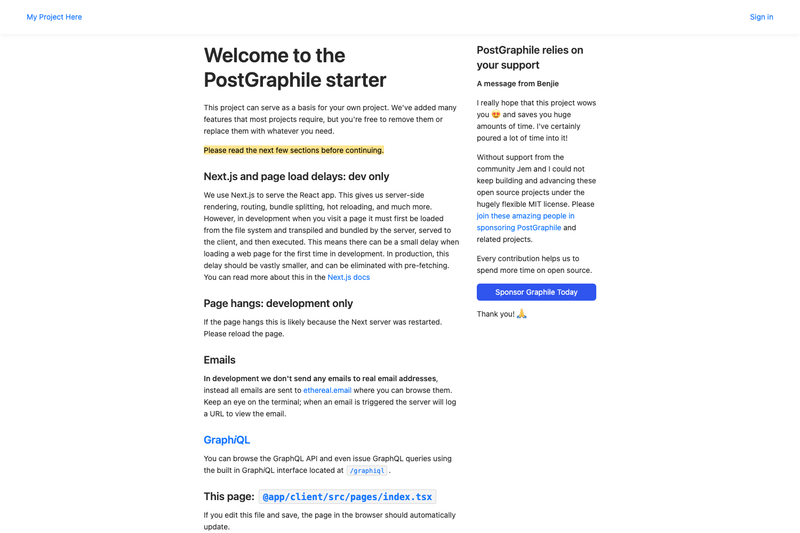
Opinionated SaaS quick-start with pre-built user account and organization system for full-stack apps in React, Node.js, GraphQL and PostgreSQL.
The Next.js Authentication Boilerplate is an open-source starter kit that wires JWT authentication into a Next.js app using edge middleware and serverless API routes, with Prisma and PostgreSQL for data storage.
This boilerplate implements a full authentication flow — signup, login, and route protection — on the Next.js framework using TypeScript, Tailwind CSS, Prisma ORM, and a PostgreSQL database. You provide three environment variables (JWT_SECRET, DATABASE_URL, BCRYPT_PASSWORD) and it produces a runnable app with hashed passwords and signed JSON Web Tokens. The project is authored by Scott Jason, released under the MIT license, and a live demo is hosted on Vercel.
/prisma directory; use prisma generate and prisma migrate to sync your database.prisma migrate deploy in CI/CD pipelines make production releases repeatable.Developers starting a new Next.js project need to add authentication quickly without designing a custom auth system. Full-stack developers who want to learn how edge middleware and serverless functions can secure an application will find a complete working example. Teams deploying to Vercel benefit from the included PostgreSQL schema and the documented CI/CD migration step.
Installation follows the standard Next.js workflow: clone, npm install, add a .env file, run prisma generate, and create the database schema with npx prisma migrate dev. For production, apply migrations with npx prisma migrate deploy as part of CI/CD, then build with npm run build. The dev server runs on http://localhost:3000.
The template is free and open source under the MIT license (Copyright (c) 2023 Scott Jason), so you can use it commercially without paying a license fee.
NextAuth.js — a popular authentication library for Next.js with built-in support for multiple OAuth providers and database adapters.
Yes. The template stores user credentials with bcrypt password hashing and issues JWT tokens after successful login. You configure a JWT secret and a bcrypt password value in your environment variables.
Node.js 18.x is required, along with npm 8.x or 9.x. The project directions list these as prerequisites before cloning and running the app.
After pushing your repository, run npx prisma migrate deploy before or during your build to apply database migrations, then run npm run build. The repository includes a link to a live Vercel demo.
Yes, it is released under the MIT License, which permits free use, modification, and distribution, including for commercial purposes.