Newsletter
Join the Community
Subscribe to our newsletter for the latest news and updates

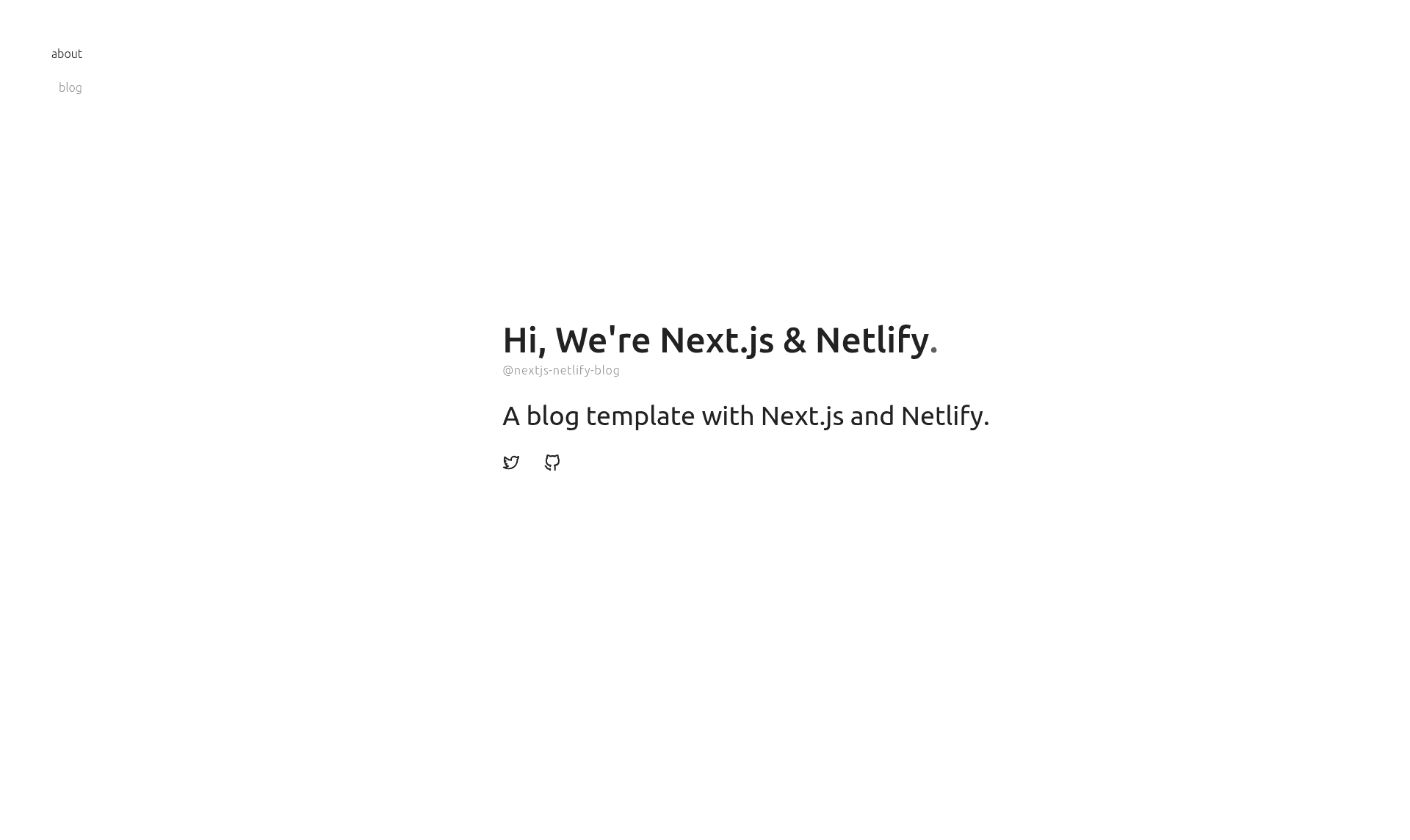
Next.js and Netlify boilerplate for building blogs with tagging, author display, pagination, Netlify CMS, SEO metadata, and MDX shortcodes.
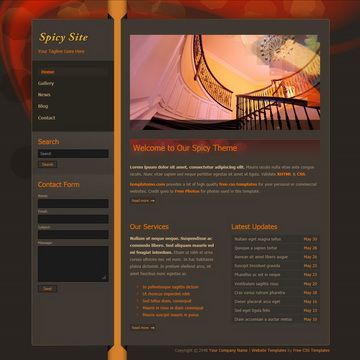
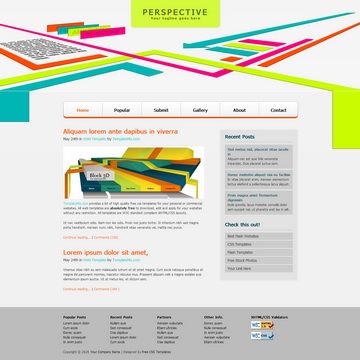
Free 2-column HTML/CSS template with brown and orange colors, 5 W3C-validated pages, and a blog layout.
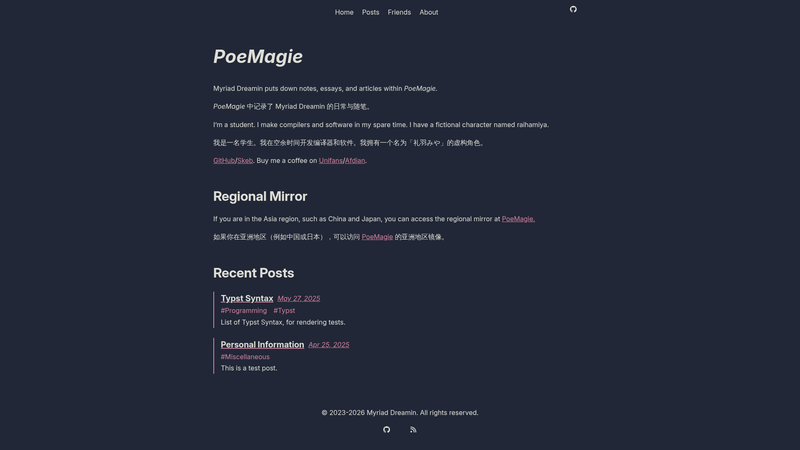
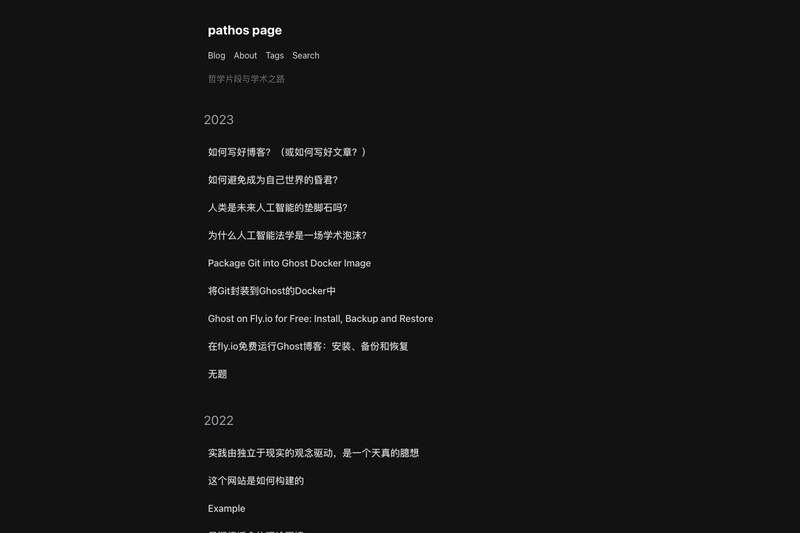
A static blog starter template built with Astro and Typst, featuring tags, search, and GitHub Pages deployment.
A minimal Hugo blog template built with Bulma CSS, designed for blogs and small personal sites.
A minimalist Hugo theme for text-focused blogs and personal sites with multilingual support and social icons.
Next.js Blog Template for Netlify is a free, MIT-licensed boilerplate for building blogs with tagging, author pages, pagination, and Netlify CMS editing, using only the Next.js and Netlify stack.
Next.js Blog Template for Netlify is a starter project that turns MDX content files and YAML metadata into a static blog site, deployed on Netlify. It runs on Next.js with TypeScript and uses Netlify CMS for content management. The template exists because existing Next.js and Netlify boilerplates were too simple for standard blog features like tagging and author pages, which this project implements out of the box. It is available as a GitHub repository and can be launched with a one-click Deploy to Netlify button or via the create-next-app command.
meta/authors.yml.public/admin/config.yml so editors can modify content without touching code.src/components define styles using these libraries, and you can swap in any other styling solution.Developers who want a ready-made blog starter with features they would otherwise have to build themselves, such as tagging and pagination. Content editors who need a graphical interface to write and publish posts through Netlify CMS. Teams already hosting on Netlify who want a blog that integrates tightly with their existing deployment workflow. It is also useful for developers learning how to combine Next.js, MDX, and Netlify CMS in a single project.
src/components and src/pages.src/content, organize them with tags, and associate them with authors.To create a blog, run npx create-next-app your-blog --example "https://github.com/wutali/nextjs-netlify-blog-template" in your terminal. Then follow Netlify's deployment guide to connect the repository and deploy. The template also offers a one-click Deploy to Netlify button that sets up the project with a CMS stack automatically. After deployment, you can access Netlify CMS to add posts, tags, and authors.
Yes, it is open source under the MIT License. You can use it for personal or commercial projects, and you can fork or modify it freely.
The template supports categories by default. To add new metadata, you need to update the Netlify CMS config at public/admin/config.yml, create a meta/categories.yml file, add a module to fetch the metadata, and display it in src/components/PostLayout.tsx. After that, new categories can be created from the Netlify CMS admin.
Posts are written in MDX, which combines Markdown with JSX, allowing you to embed React components directly inside your content. The MDX files live in the src/content directory.
Yes. All components currently use styled-jsx and CSS modules, but the template does not lock you into them. You can remove those styles and apply any other library, such as Tailwind CSS, by editing the components under src/components.