Newsletter
Join the Community
Subscribe to our newsletter for the latest news and updates

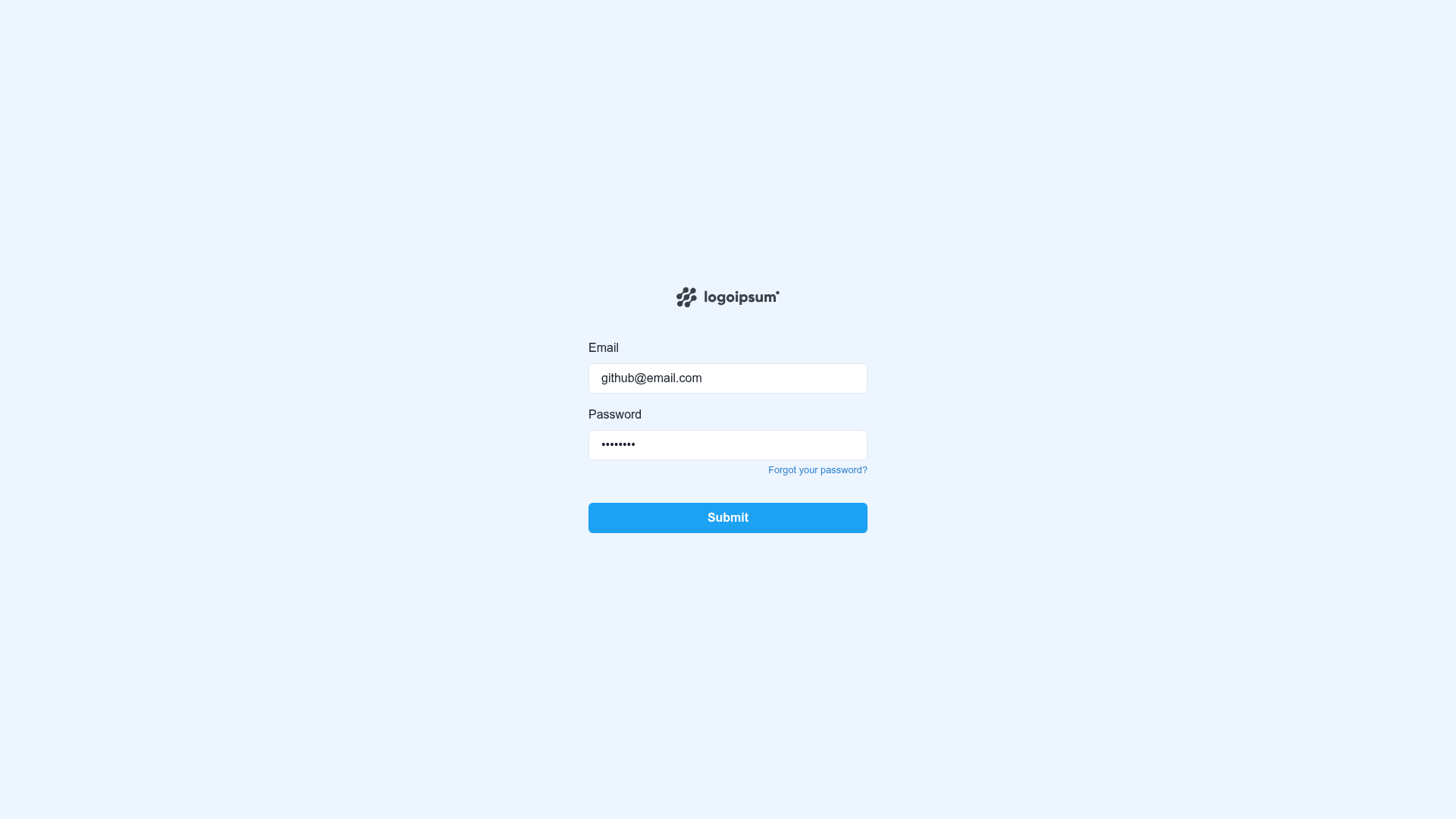
Next.js boilerplate made with Chakra-UI + Typescript + React-table + React-hook-form
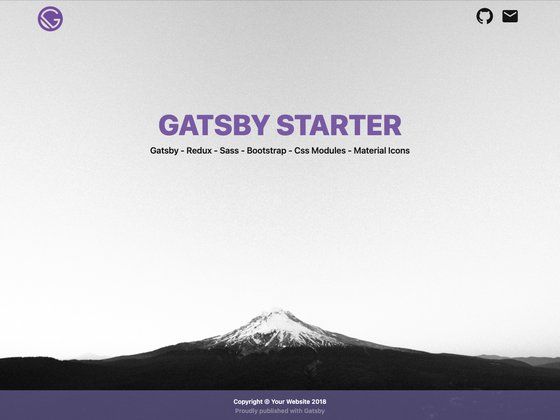
Minimal Gatsby starter with TypeScript for creating fast static sites.
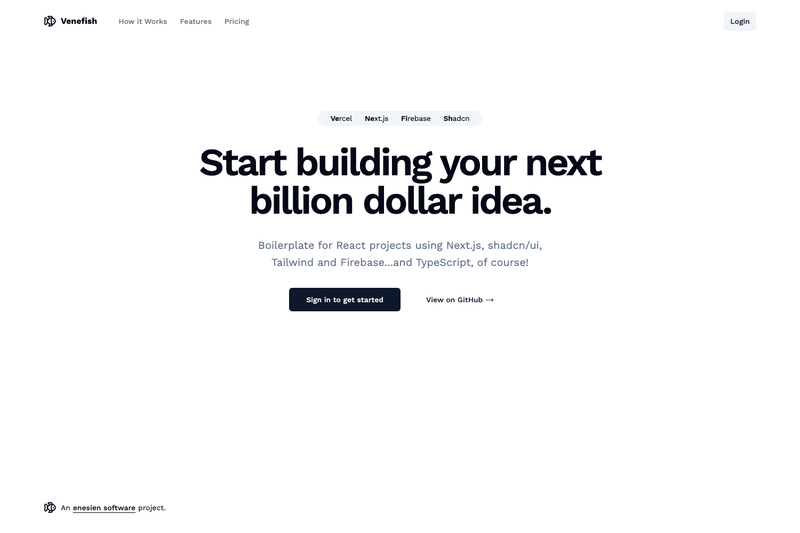
Boilerplate for React TypeScript projects using Next.js, shadcn/ui, Tailwind and Firebase on Vercel!
Run background work after the response is sent using waitUntil in the Vercel Rust runtime.
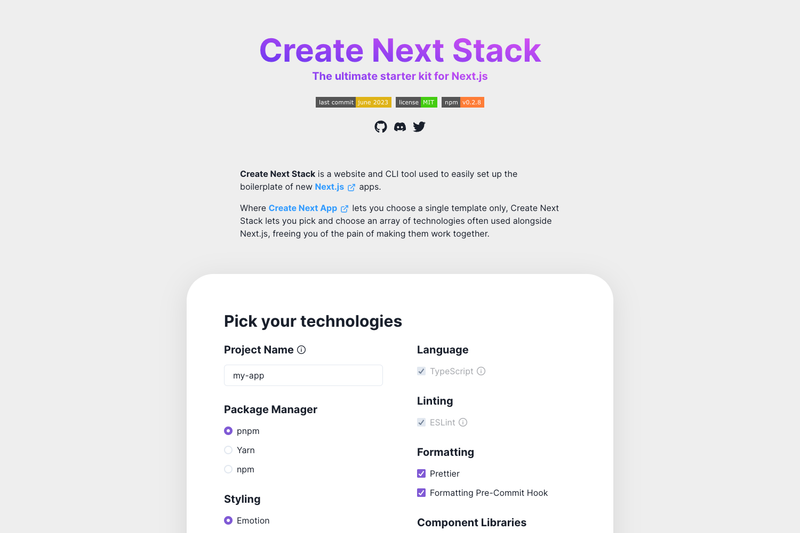
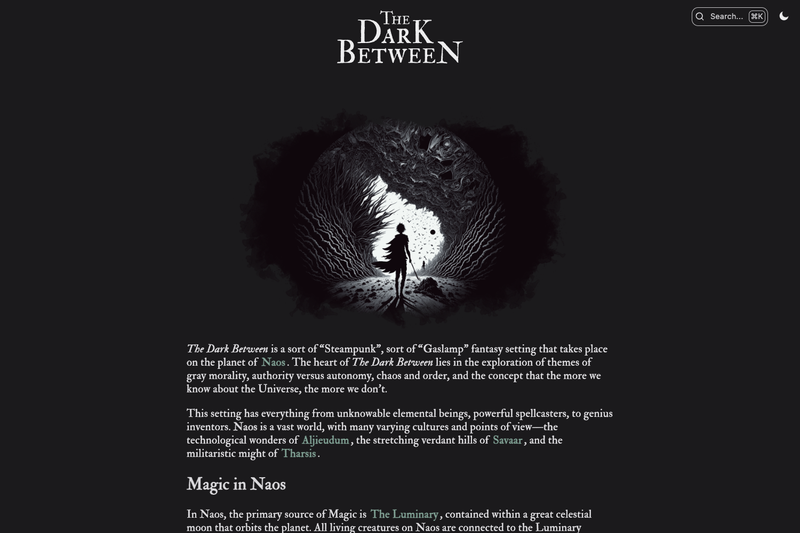
Create Next Stack is a website and CLI tool used to easily set up the boilerplate of new Next.js apps.
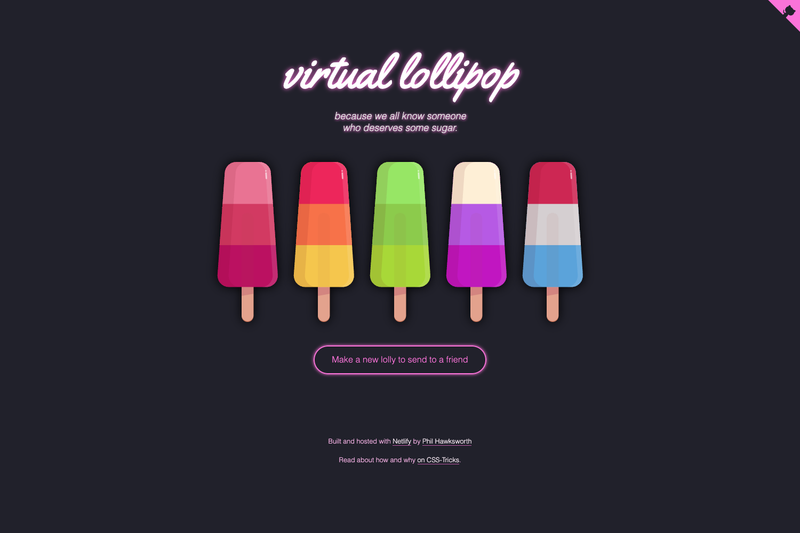
A JAMstack demo for sending virtual lollipops, pre-rendered with Eleventy and backed by serverless API fallbacks.
Nextjs Boilerplate Advanced is a free, open-source Next.js starter repository that combines Chakra UI, TypeScript, React Table, and React Hook Form to scaffold production-ready admin panels and dashboards.
Nextjs Boilerplate Advanced is a Next.js boilerplate built with Chakra UI, TypeScript, React Table, and React Hook Form. It provides pre-built authentication screens, a data table with inline editing, and a suite of form inputs compatible with react-hook-form. The project is maintained by Patrick Santos Bitonti Teixeira and includes community contributions from Lincoln M. Costa and João Paulo Rodrigues. It runs on Next.js and can be deployed to Netlify or Vercel using the provided one-click deploy buttons.
yarn build fails if TypeScript or lint errors exist.yarn emails; yarn emails:watch rebuilds on file changes.yarn storybook to start a component explorer at localhost:6006.Full-stack developers and front-end teams who want to start a Next.js application with the plumbing already wired. It's suited for building admin dashboards, internal tools, and CRUD applications. Agencies building client projects can reuse the authentication and form patterns to ship faster. Developers learning Chakra UI or react-hook-form can study the pre-built components as reference implementations.
Create a new project by running yarn create next-app -e https://github.com/santospatrick/nextjs-boilerplate-advanced. Duplicate .env.example to .env.local and fill in the variables. Install dependencies with yarn install, then start the development server with yarn dev. Production builds run through yarn build && yarn start.
You can deploy with Netlify or Vercel using the one-click deploy buttons on the repository page, or build locally with yarn build && yarn start. The build command fails if TypeScript or lint errors are present.
Run yarn emails to compile all .mjml files in the ./emails/templates folder into .html files in ./emails/dist. Use yarn emails:watch to rebuild whenever the source files change.
The boilerplate ships with masked/normalized text inputs, date inputs, upload inputs, autocomplete/select inputs, number inputs, phone inputs, and textareas. All are compatible with react-hook-form and can be validated with yup schemas.
Yes. A live demo is hosted at https://sample-nextjs-app.santospatrick.com, and a Storybook demo is available on Chromatic.
Yes. The yarn build command is configured to fail if there are any TypeScript or lint errors, ensuring code quality before deployment.