Newsletter
Join the Community
Subscribe to our newsletter for the latest news and updates

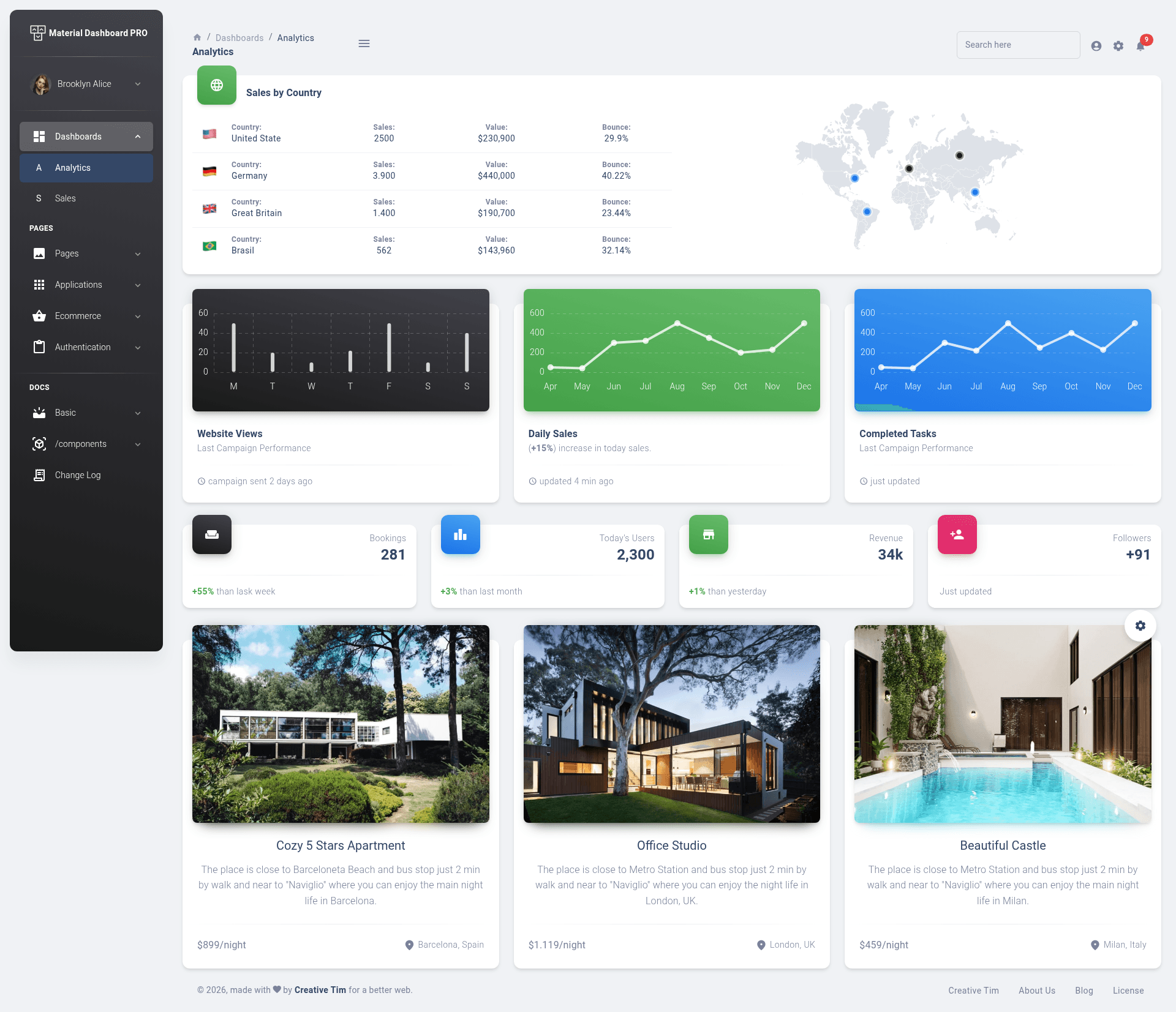
NextJS version of Material Dashboard PRO, a premium MUI admin dashboard template with 200+ components.
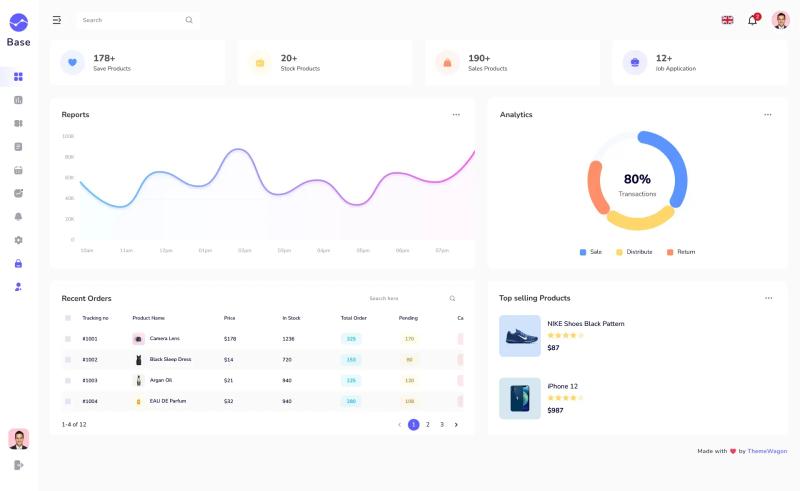
Free responsive Material UI admin dashboard template by ThemeWagon for e-commerce backends, featuring 4+ pages and 3 authentication pages.
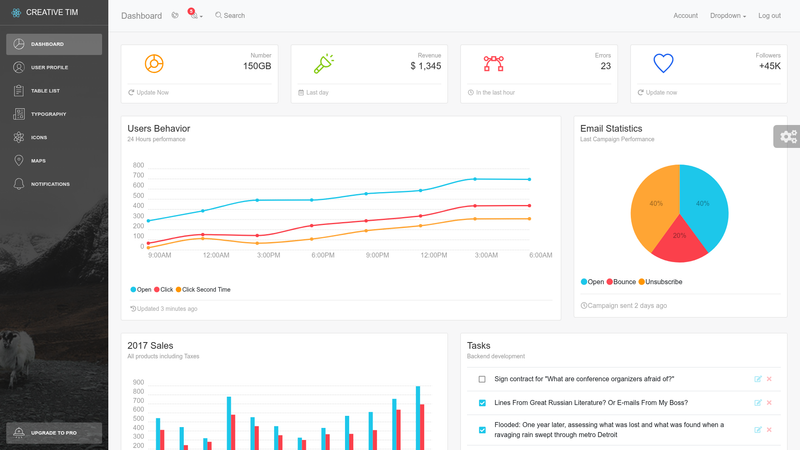
Free MIT-licensed React admin dashboard built on React Bootstrap with 8 page views, sidebar color filters, and responsive layout.
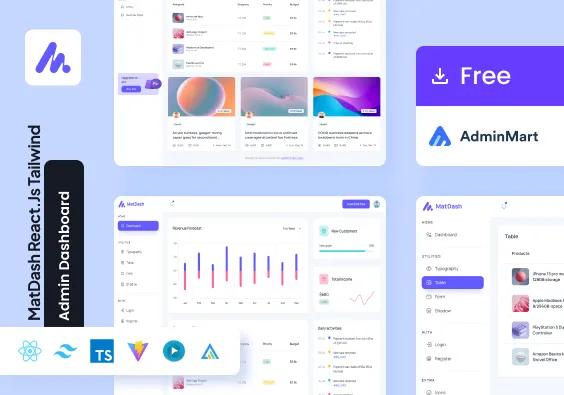
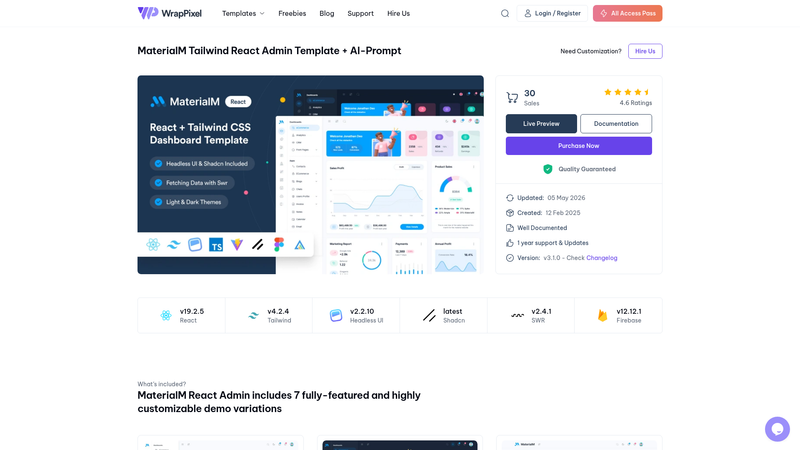
Free open-source React admin dashboard template built with Tailwind CSS, TypeScript, Flowbite UI, and ApexCharts for building admin panels and SaaS dashboards.
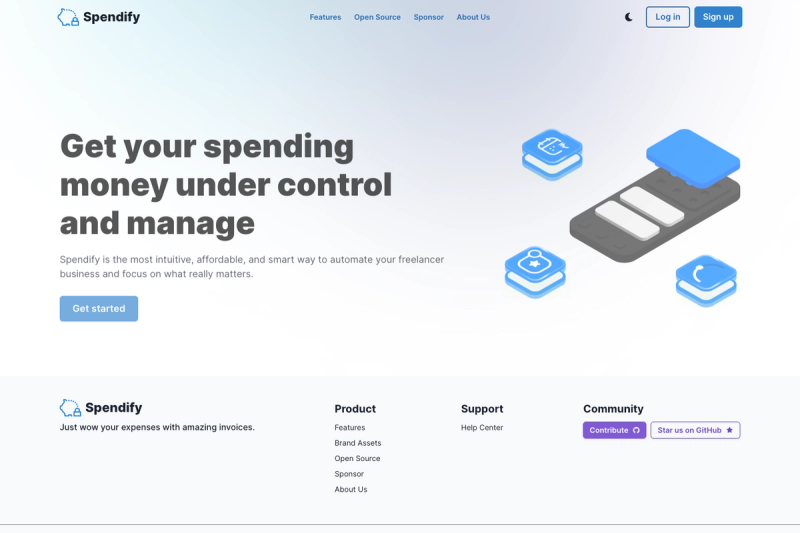
Open-source expense management web template built with Next.js, Firebase, and TypeScript for tracking expenses, currency conversion, and invoice generation.
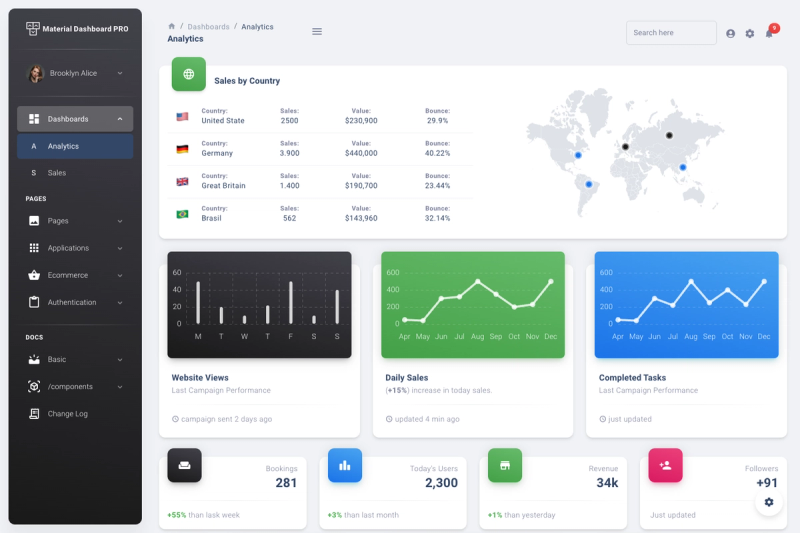
NextJS Material Dashboard 2 PRO is a premium admin dashboard template for Next.js that ships with over 200 individually coded Material Design components and pre-built pages for analytics, sales, ecommerce, and applications.
NextJS Material Dashboard 2 PRO is a commercial admin template created by Creative Tim, built on Next.js and the MUI (Material-UI) component library. It takes a typical dashboard UI and delivers it as fully coded React components, layouts, and example pages that developers can install and customize. It runs on Next.js and uses MUI's styled() API and sx props for theming, with dark mode and RTL support included.
Clone or download the product, install dependencies with yarn install or npm install, and run the Next.js development server. The template provides pages and components referenced by routes, so customization is a matter of editing the existing MUI components and page files under the pages directory.
NextJS Material Dashboard 2 PRO is a paid product sold by Creative Tim. The page lists no free tier or open-source license; purchase provides access to the full codebase and premium support.
No, it is a commercial product. Creative Tim sells it as a paid admin template, and the source does not mention a free version or trial.
The NextJS version is built on the Next.js framework, while the React version runs on standard Create React App. Both share the Material Design style and MUI components, but the Next.js edition adds server-side rendering and file-based routing.
Yes. The download includes a theme-dark folder with a separate index.js and theme-rtl.js, so you can switch the whole dashboard to dark or right-to-left layouts.
It includes React Table, React ChartJS 2, Full Calendar, Dropzone, React Quill, Formik, React Kanban, HTML React Parser, ChromaJS, and UUID, among others, per the readme's special thanks section.
The template uses Next.js file-based routing, with _app.js and _document.js customizations, a next.config.js, and an eslint configuration. It also supports applications like kanban and calendar as separate route groups.