Newsletter
Join the Community
Subscribe to our newsletter for the latest news and updates

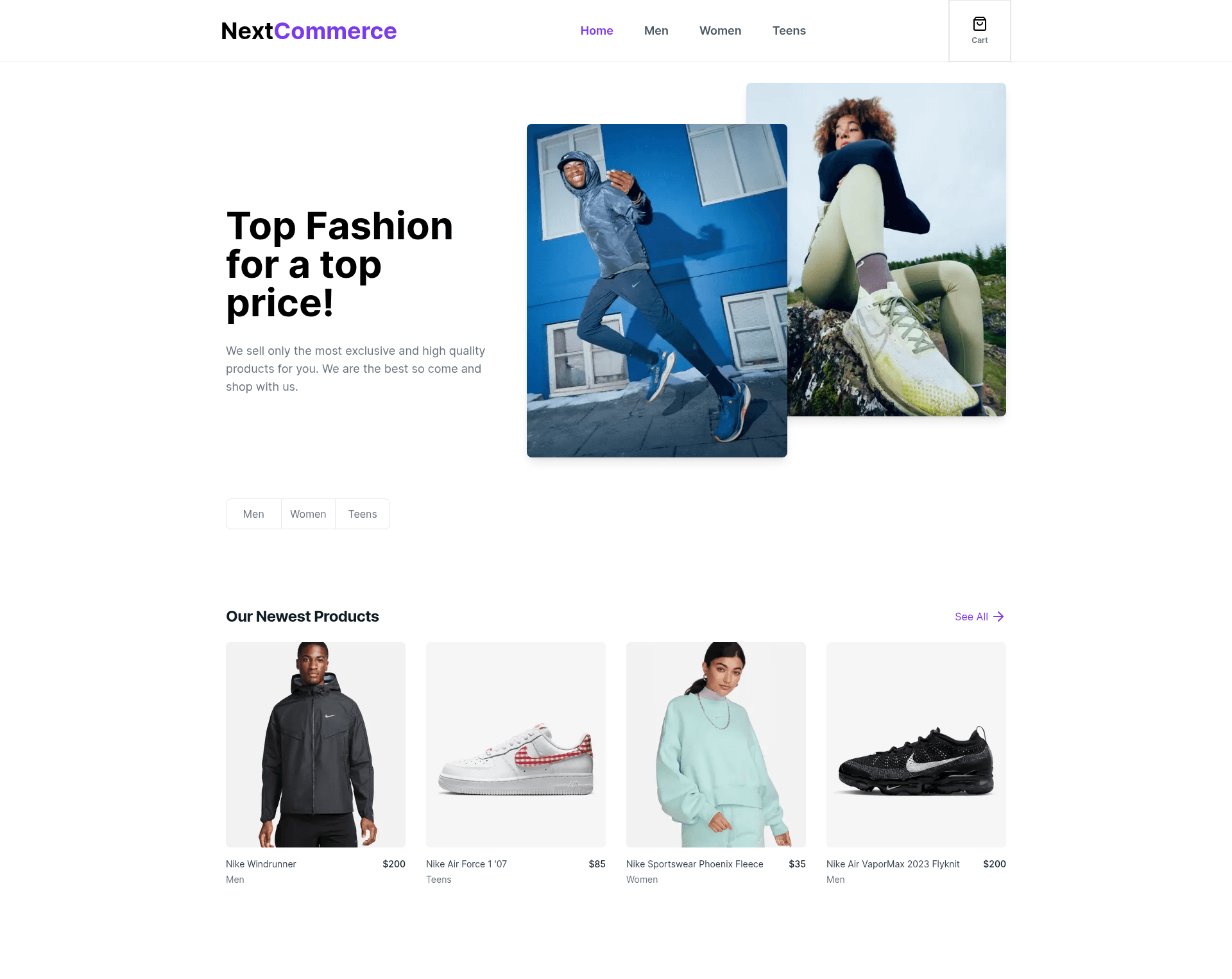
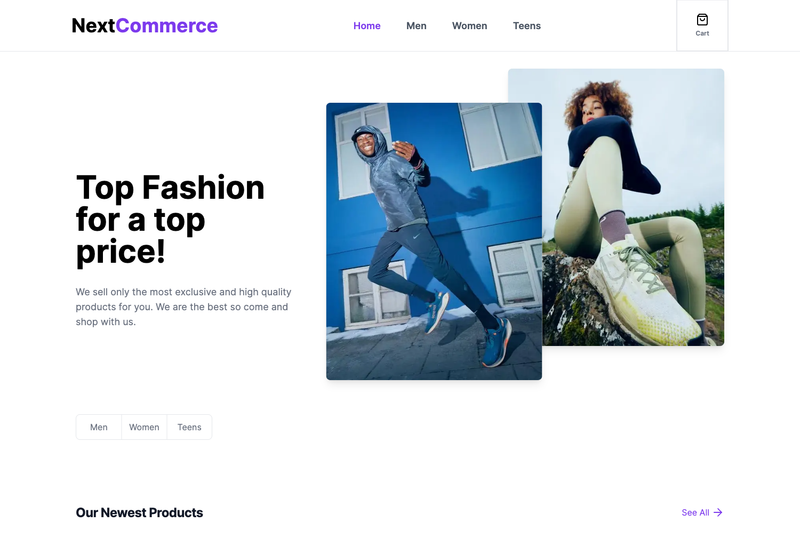
Full Stack Next.js 14 e-commerce site with Stripe payments, Sanity.io CMS, Tailwind CSS, and Shadcn UI components.
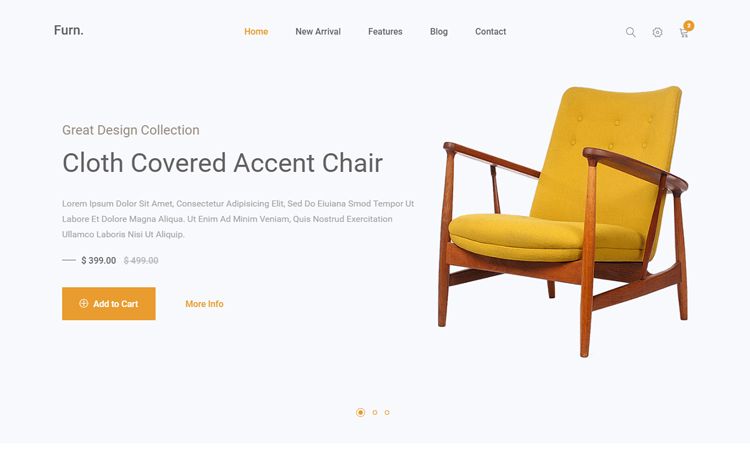
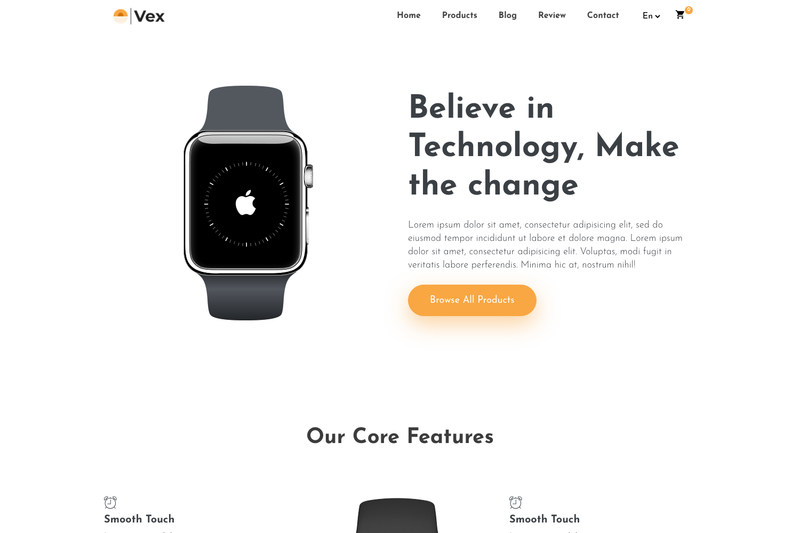
Free responsive one-page Bootstrap HTML5 eCommerce template with product overlays, sticky nav, blog section, and newsletter widget.
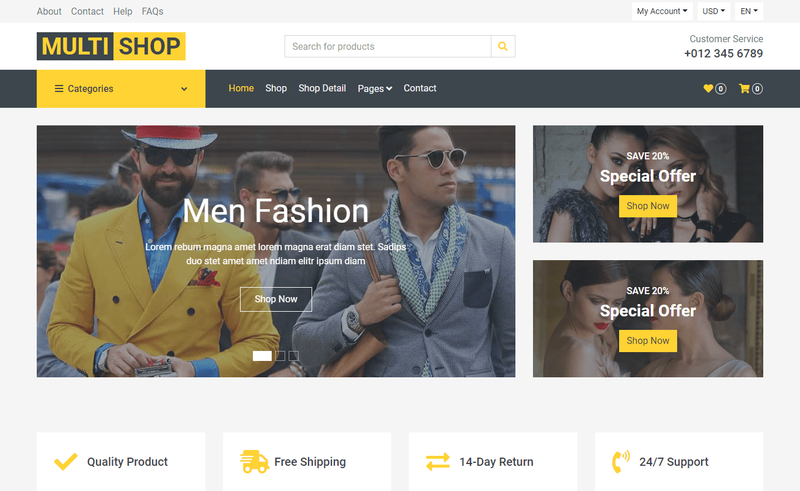
Free Bootstrap 4 ecommerce website template with six HTML pages, responsive layouts, carousels, forms, Google Maps, and clean code.
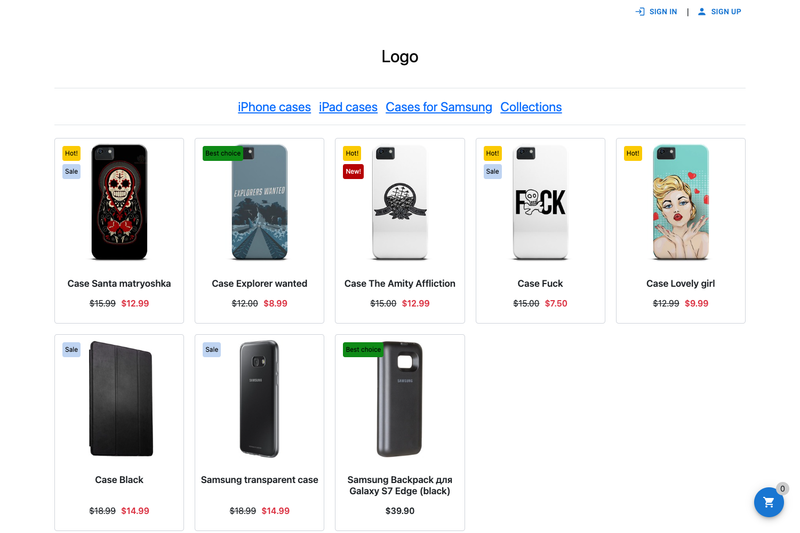
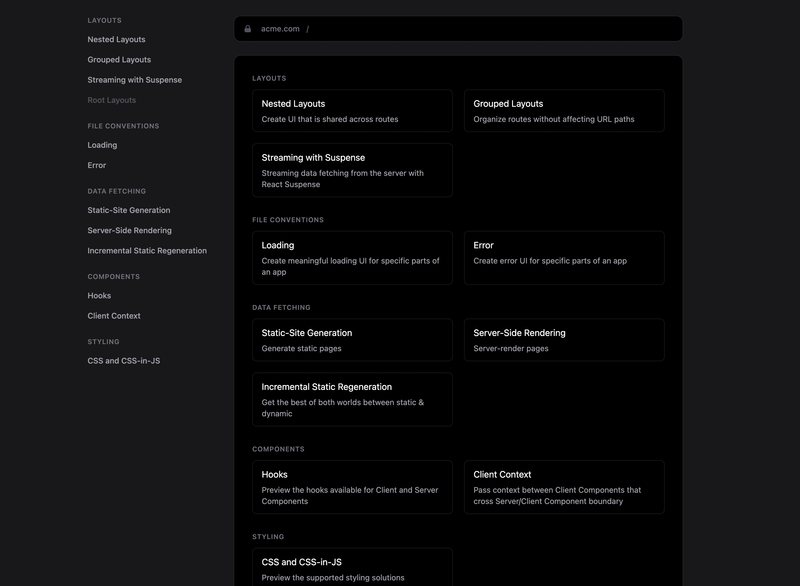
Free Next.js v14 TypeScript e-commerce starter with Stripe, PayPal, and Boundless Commerce API integration.
Free Bootstrap 3 e-commerce front-end template with 25+ components, 30 page layouts, and a Gulp build workflow.
Next.js Sanity Ecommerce is a full-stack e-commerce template that pairs the Next.js 14 React framework with Sanity.io as its headless content management system and Stripe for payment processing. It is a code repository (not a hosted service) that produces a deployable online storefront with a structured product catalog and checkout flow.
Next.js Sanity Ecommerce is an open-source starter for building online stores with a modern React architecture. It takes product and site content managed in Sanity Studio and renders them as a public storefront using Next.js 14 with TypeScript, then handles transactions through Stripe. The repository includes a live demo hosted on Vercel at https://nextjs-ecommerce-francislagares.vercel.app.
Next.js Sanity Ecommerce is aimed at developers and non-technical store owners who want a complete e-commerce stack without building the backend from scratch.
The template connects Sanity's content APIs to Next.js pages; when an editor adds or edits products in Sanity Studio, those changes appear on the public storefront after data fetching. Customers select items, proceed to a Stripe-powered checkout, and payments are processed by Stripe. The entire application can be deployed as a single Next.js project on Vercel or other Node-compatible platforms.
Yes, a running example storefront is deployed at https://nextjs-ecommerce-francislagares.vercel.app. It showcases the full shopping experience, including product pages and the Stripe checkout flow, so you can evaluate the template before downloading the code.
Sanity.io is a headless CMS that separates content management from the frontend. In this template, Sanity Studio acts as the admin panel where store owners create and update products; the Next.js frontend fetches that content through Sanity's APIs and renders it on the storefront.
Yes, both are core parts of the project. The entire codebase is written in TypeScript, and all styling uses Tailwind CSS utility classes. Shadcn UI components, which rely on Radix UI, are included to provide accessible, pre-styled interface elements.