Newsletter
Join the Community
Subscribe to our newsletter for the latest news and updates

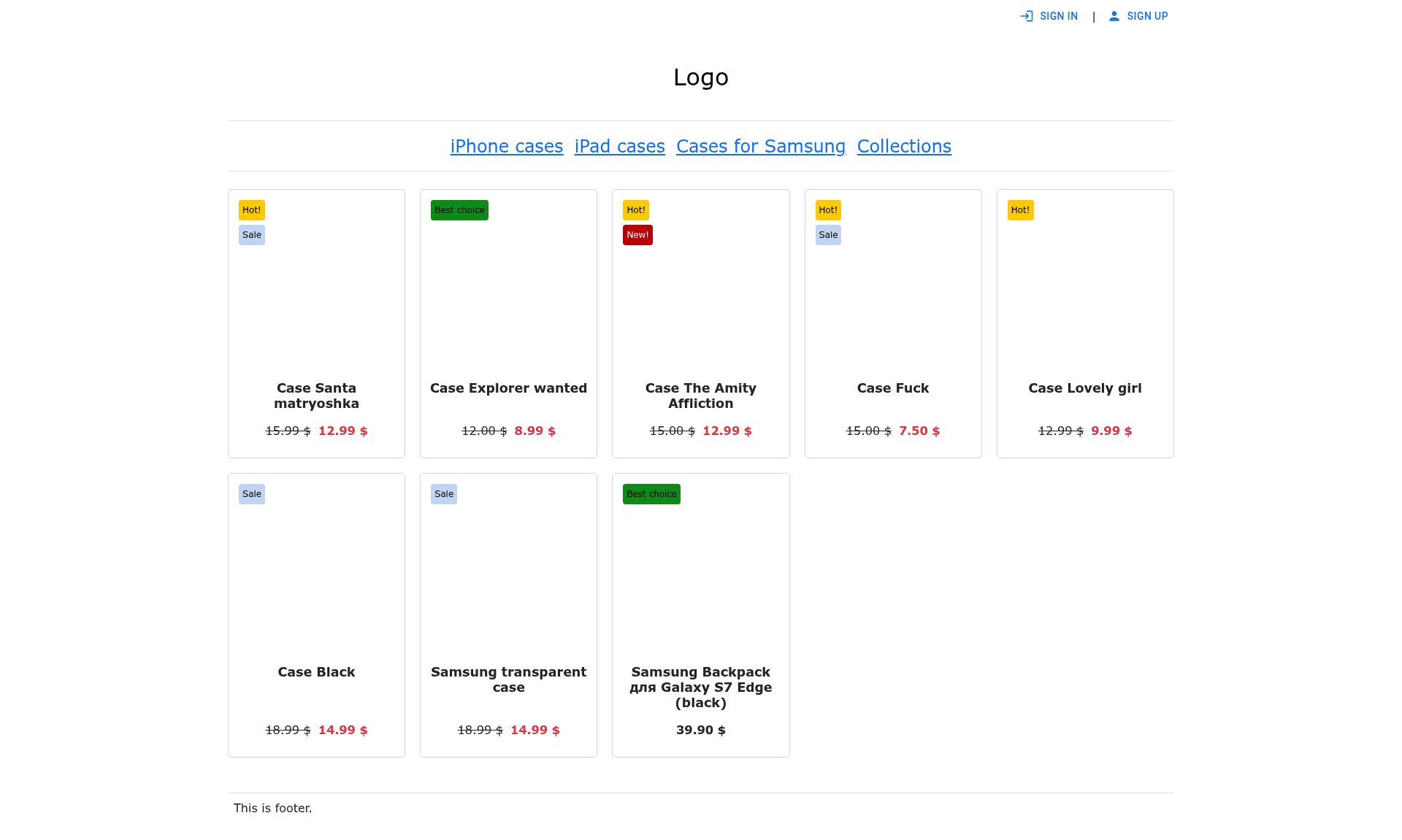
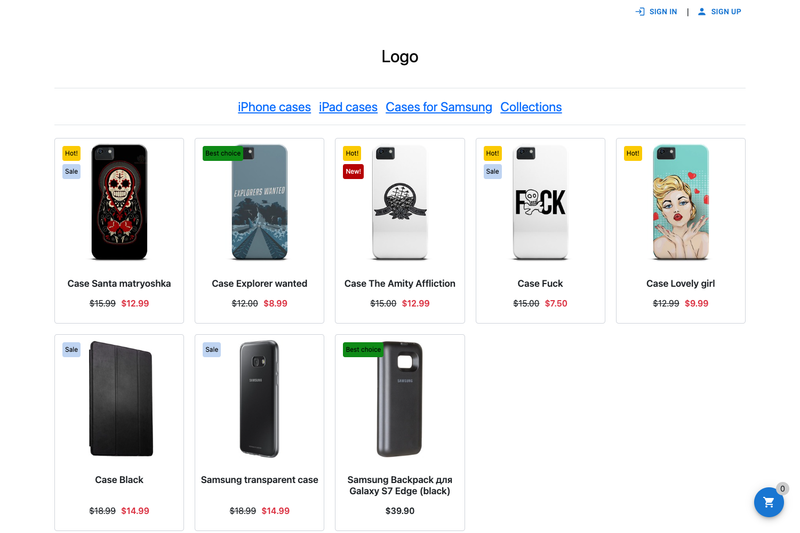
Free Next.js v14 TypeScript e-commerce starter with Stripe, PayPal, and Boundless Commerce API integration.
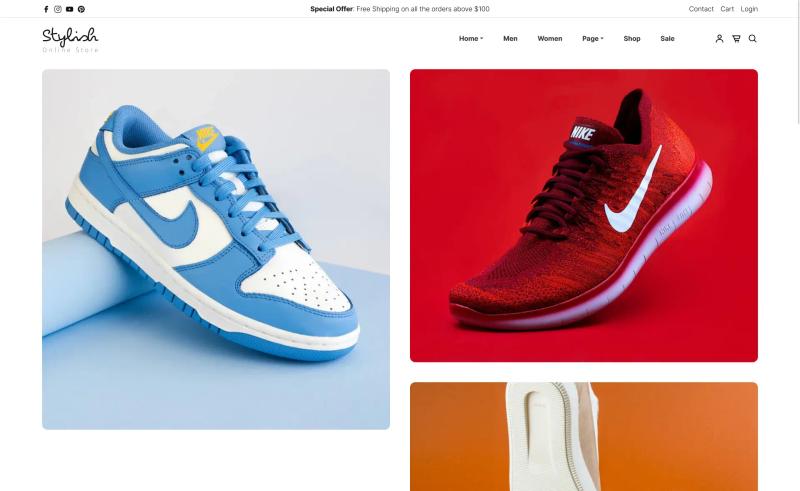
Free responsive Bootstrap 5 one-page eCommerce template for shoe stores, featuring a product grid, collapsible search filter, and modal sign-up form.
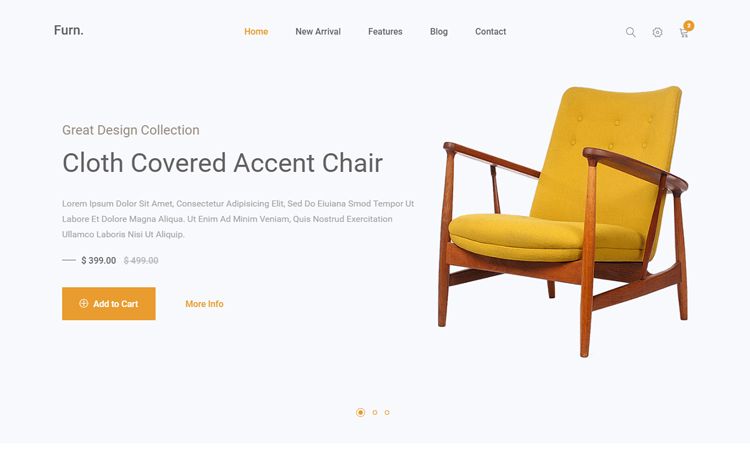
Free responsive one-page Bootstrap HTML5 eCommerce template with product overlays, sticky nav, blog section, and newsletter widget.
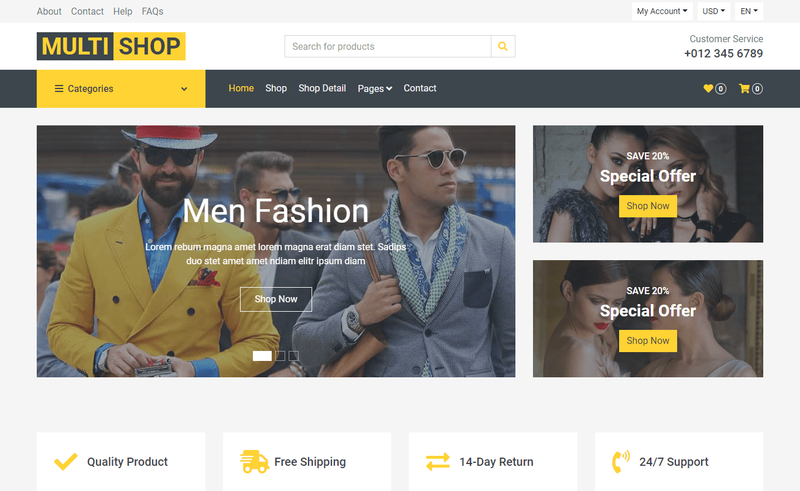
Free Bootstrap 4 ecommerce website template with six HTML pages, responsive layouts, carousels, forms, Google Maps, and clean code.
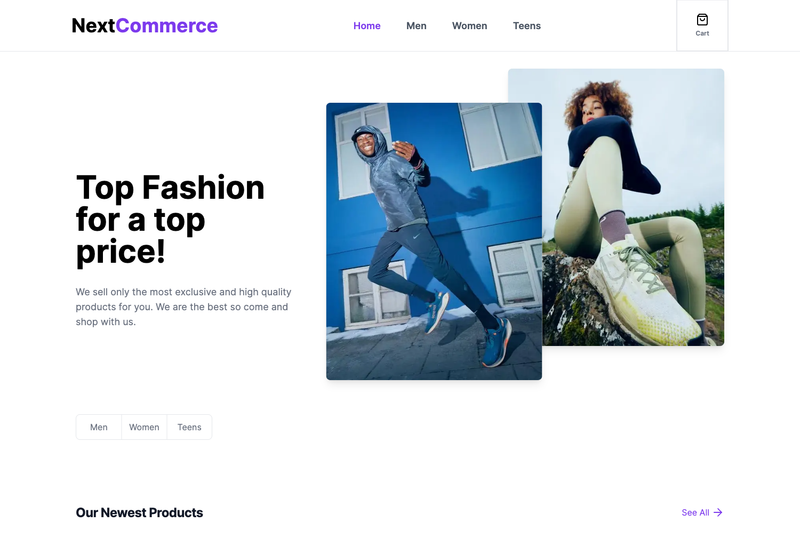
Full Stack Next.js 14 e-commerce site with Stripe payments, Sanity.io CMS, Tailwind CSS, and Shadcn UI components.
The Next.js v14 E-commerce Starter Kit is a free, open-source storefront boilerplate that pairs a Next.js 14 App Router front end with the Boundless Commerce headless e-commerce CMS, giving you a ready-to-deploy shop with three checkout flows.
This starter kit is a TypeScript-based Next.js v14 project that implements a complete e-commerce storefront front end. It consumes the Boundless Commerce API for product data, cart operations, and checkout, and it includes ready-made pages for authentication, order history, and a webhook handler for cache invalidation. The template is published on GitHub, is free to use, and targets developers who want to launch a store quickly without building the frontend plumbing themselves.
The README docs a five-step setup: create a free Boundless Commerce account, generate an access token in the control panel, copy .env.example to .env.local, fill in the Boundless tokens and optional Stripe keys, then run npm install and npm run dev at localhost:3000. For webhooks, create a webhook in the Boundless control panel pointing to /api/on-update-hook and set the WEBHOOK_SIGN_KEY environment variable. This is enough to get the store running locally.