Newsletter
Join the Community
Subscribe to our newsletter for the latest news and updates

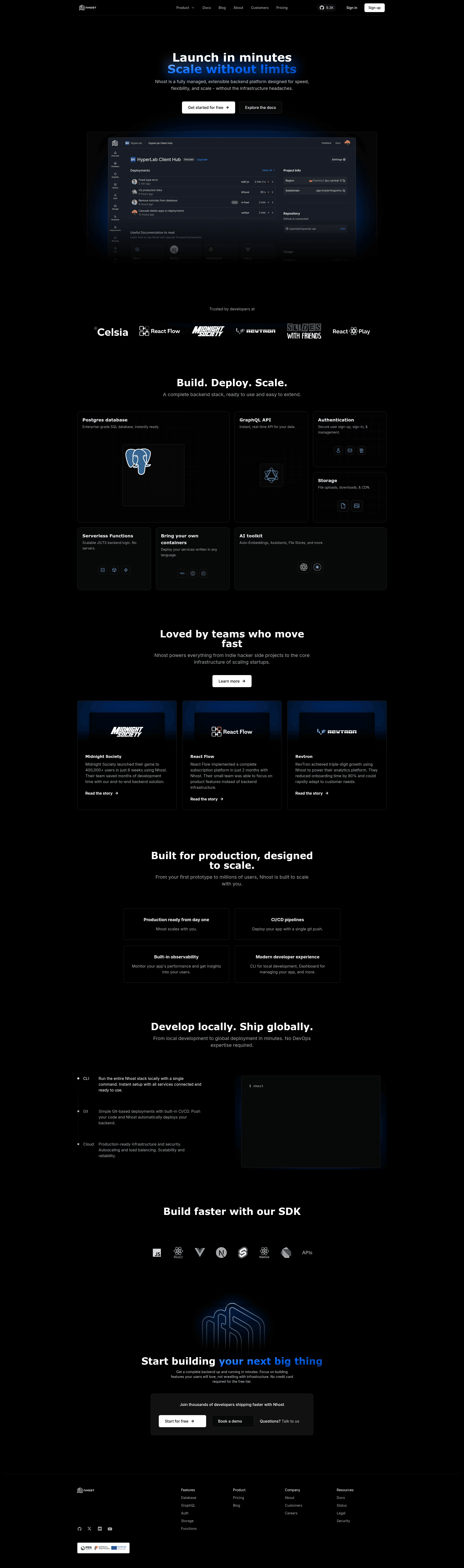
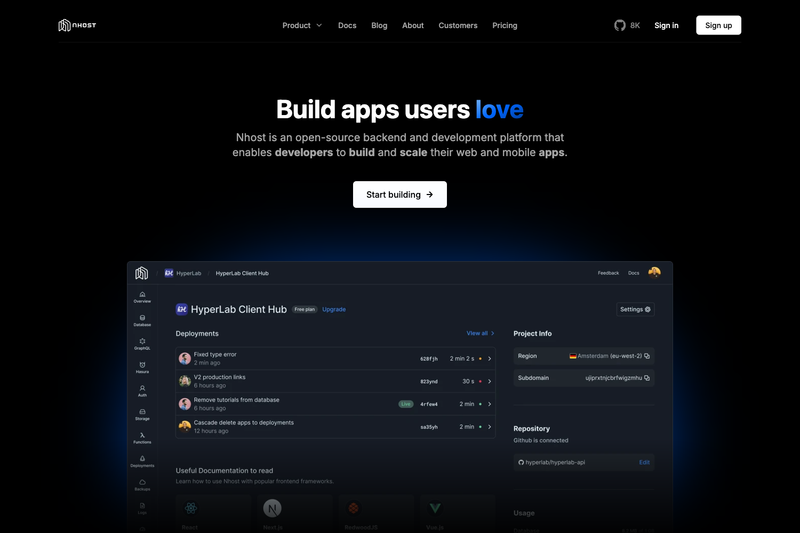
A Nuxt.js boilerplate preconfigured with Nhost's GraphQL, authentication, and Tailwind CSS for rapid full-stack development.
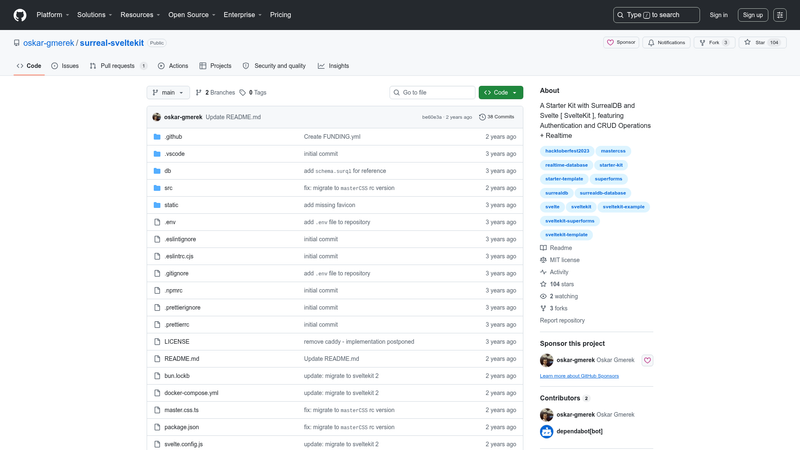
A SvelteKit starter kit with SurrealDB, authentication, CRUD operations, and realtime data sync.
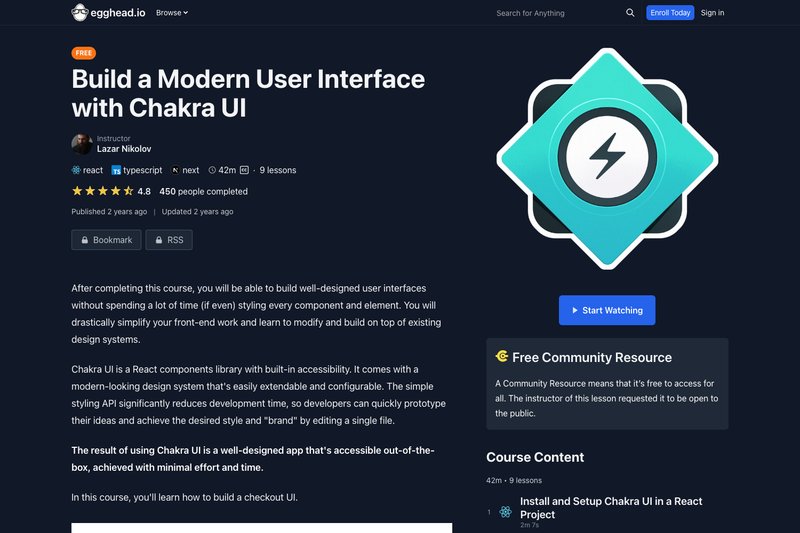
Starter Next.js project for the egghead.io course Getting Started with Chakra UI.
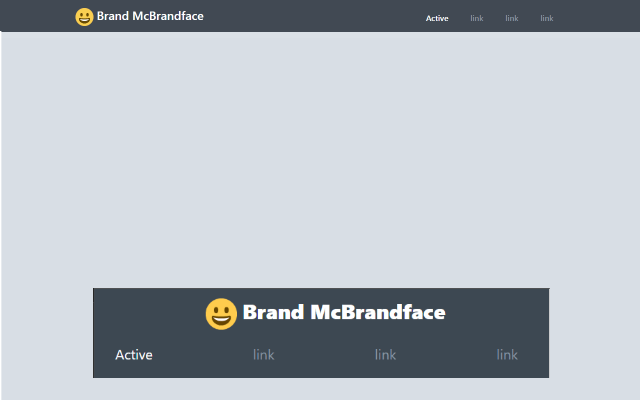
Open-source Tailwind CSS starter template with a fixed header, ready to customize.
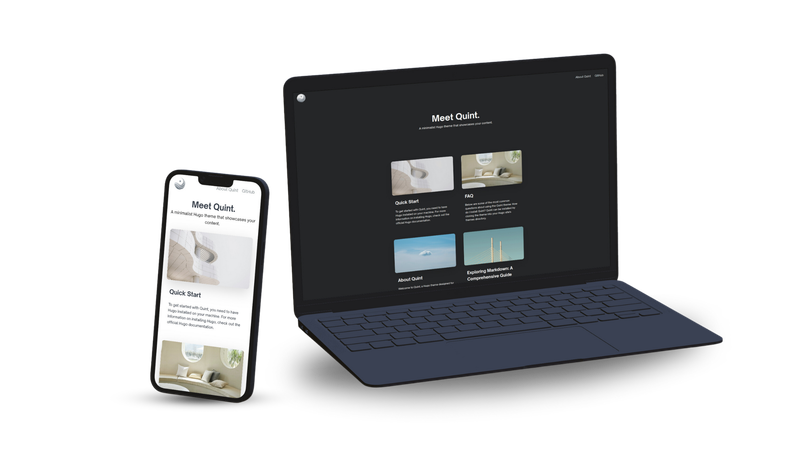
Minimalist Hugo theme with dark/light modes, image banners, and Lunr.js search.
Nuxt3 app template for github pages deploy
The Nhost Template for Nuxt is a boilerplate that combines a Nuxt.js frontend with Nhost's backend-as-a-service, preconfiguring GraphQL, authentication, and Tailwind CSS so a new project can start using realtime data and protected routes in minutes.
The Nhost Template for Nuxt is a GitHub template repository created by MarcelloTheArcane. It scaffolds a Nuxt.js application with Nhost, a backend-as-a-service that provides a PostgreSQL database, a GraphQL API, file storage, and authentication. The template takes environment variables for GraphQL and auth endpoints from a .env file and outputs a runnable Nuxt app prewired to those services. It is built on Nuxt.js and uses the @nuxtjs/apollo and @nuxtjs/auth modules.
template remote, so you can fetch later changes with git fetch --all --allow-unrelated-histories.yarn and yarn serve to start development.The template leverages Nuxt modules. The Apollo module points to Nhost's GraphQL endpoint from the .env URL, and the auth module's refresh scheme exchanges Nhost refresh tokens to keep the user session alive. When a user logs in, the bearer token is added to API and WebSocket requests. The included plugin files are prewritten with this integration, so the developer only supplies their Nhost project URLs.
On GitHub, click the "Use this template" button to create a new repository based on it. Alternatively, clone the repository with git clone https://github.com/MarcelloTheArcane/nhost-template -b master --single-branch <project-name>, then change the remote to your own repository URL.
The .env file must contain the GraphQL and auth URLs from your Nhost project. Point these to your Nhost backend so the Apollo and auth modules can connect to the correct endpoints.
Nhost provides file storage as part of its backend service, and the project is configured to connect to Nhost. The README does not show any special file-upload code, but the storage API is available on the Nhost side.
Yes. The README states you can remove the Tailwind dependencies and add a different styling solution. The template doesn't depend on Tailwind for its core logic.
The repository is public on GitHub and marked as a template for generating new projects. There is no license or pricing information in the README, so assume standard open-source usage unless you check the repository directly.