Open AI UGC is a free, MIT-licensed, open-source SaaS template for generating AI UGC video ads — the self-hostable alternative to Arcads and MakeUGC that turns a pasted script plus optional reference images into 9:16 vertical ads through the Muapi.ai API gateway.
What is Open AI UGC?
Open AI UGC is a Next.js 16 application that takes a text script and up to seven reference images as input and returns a vertical (9:16) UGC video ad rendered by an AI video model. It runs on Vercel-ready Next.js with a PostgreSQL database, NextAuth.js Google sign-in, Stripe billing, and the Muapi.ai unified API. The project is maintained by GitHub user Anil-matcha and was built with Muapi.ai as the video-generation backend.
Key Features
- Multi-model video generation — Four models pre-wired: Veo 3.1 (Google), Seedance 2 (ByteDance), Grok Video (xAI), and Happy Horse 1, switchable per render.
- Image-to-Video and Text-to-Video — Paste a script alone for text-to-video, or upload up to seven reference images and reference them inline with tokens like @image1 and @image2.
- Per-model parameter control — Aspect ratios (9:16, 16:9, 1:1, and more), duration (3-30 seconds depending on model), resolution (480p up to 4K where supported), and mode presets (fun, normal, spicy for Grok).
- Async webhook pipeline — MUAPI renders asynchronously, then calls back to the webhook route; the dashboard polls the creation endpoint every 3 seconds and updates without a page reload.
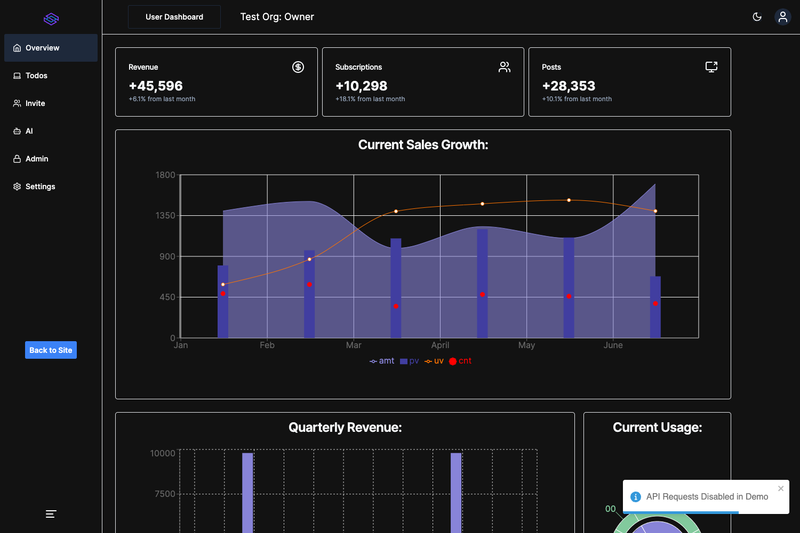
- Creations dashboard — Every generation is stored per user with the prompt, settings, status, and final video URL.
- Credits system — New users start with 10 free credits, one credit is consumed per generation, and low-credit users are blocked from generating.
- Stripe billing out of the box — A three-tier pricing page (Free, Pro $19.99/mo, Elite $49.99/mo) with Checkout sessions and a webhook that tops up credits on successful payment.
- Tech stack — Next.js 16, React 19, Tailwind CSS v4, Framer Motion, Prisma 7, and NextAuth.js; pages include the main generator, dashboard, pricing, and API routes for generate, upload, creations, webhooks, and checkout.
Who should use Open AI UGC?
Solo creators and freelancers who want client-ready UGC ads without paying Arcads' $110-$500+ per-seat monthly fees. Agencies that need to iterate quickly on many ad variants and want the option to white-label the tool. Developers and founders who want a head start on an AI video SaaS, since adding a new MUAPI model takes about 10 lines of code. Indie hackers who want to clone the MIT repo, rebrand it, and sell it as their own product.
What can you do with Open AI UGC?
- Create vertical video ads — Paste a script, pick Veo 3.1, and generate an 8-second, 1080p, 9:16 ad suitable for TikTok, Reels, or Shorts.
- Animate product shots — Upload a product image and an actor face, then produce an image-to-video ad where the actor presents the product in a scene.
- Batch iterate ad hooks — Use Grok Video's fun, normal, and spicy modes to generate several hook variants for the same script.
- Sell UGC ads as a service — Use the built-in Stripe and credits flow to run a paid studio where clients pay per video.
How does Open AI UGC work?
The generation flow is webhook-based: the app submits a prompt, image list, model parameters, and a webhook URL to Muapi.ai; Muapi renders the video asynchronously (the README estimates 8 seconds up to 2 minutes); Muapi calls back to the route /api/webhook/muapi with the finished video URL and request ID; the route updates the matching Creation row; and the frontend polls /api/creations/[id] every 3 seconds until the status changes to done. The API uses the x-api-key header, and credits are decremented on submit.
Pros and cons
- Pros: MIT-licensed and free to self-host; no vendor watermark or locked actor roster; four AI video models switchable per render; Stripe and credits flow are already implemented.
- Cons: A failed generation still costs one credit by default, though the code in src/app/api/generate/route.js can be edited to refund failures; you must bring your own Muapi.ai API key, PostgreSQL database, Google OAuth client, and Stripe account.
Pricing
The template itself is free and open source under the MIT license. It ships with a Stripe-powered three-tier pricing plan: Starter at $0 with 10 credits, Pro Studio at $19.99/month with 500 credits, and Elite Creator at $49.99/month with 1,500 credits. Users pay only for Muapi.ai API usage on top of the self-hosted infrastructure.
Alternatives
- Arcads — a paid UGC ad platform with per-seat pricing of $110-$500+/month and a locked actor roster.
- MakeUGC — a closed platform with a single in-house model and vendor branding, according to the README's comparison table.
FAQ
Is Open AI UGC free?
Yes, the Open AI UGC template is free and MIT-licensed. Running it requires your own Muapi.ai API key (usage-based pricing), a PostgreSQL database, Google OAuth credentials, and a Stripe account for billing.
What AI models does Open AI UGC support?
It comes pre-wired for Veo 3.1 by Google, Seedance 2 by ByteDance, Grok Video by xAI, and Happy Horse 1. Supported aspect ratios, durations, resolutions, and modes differ per model, and the UI adapts automatically.
Can I rebrand and sell this template?
Yes. The README positions it as a white-label, reseller-friendly SaaS: clone the repo, change the pricing tiers in one file, set your Stripe keys, and deploy. The MIT license permits forking and selling.
Do failed video generations cost credits?
By default, yes — credits are decremented when the generation is submitted, so a failed render consumes a credit. The README points to the file src/app/api/generate/route.js where that behavior can be changed to refund failures.
What prerequisites do I need to run it?
You need Node.js 18+, a PostgreSQL database (Neon, Supabase, or Railway), a Muapi.ai access key, a Google OAuth client ID and secret, and a Stripe account. The README includes a one-click Vercel deployment button.