Newsletter
Join the Community
Subscribe to our newsletter for the latest news and updates

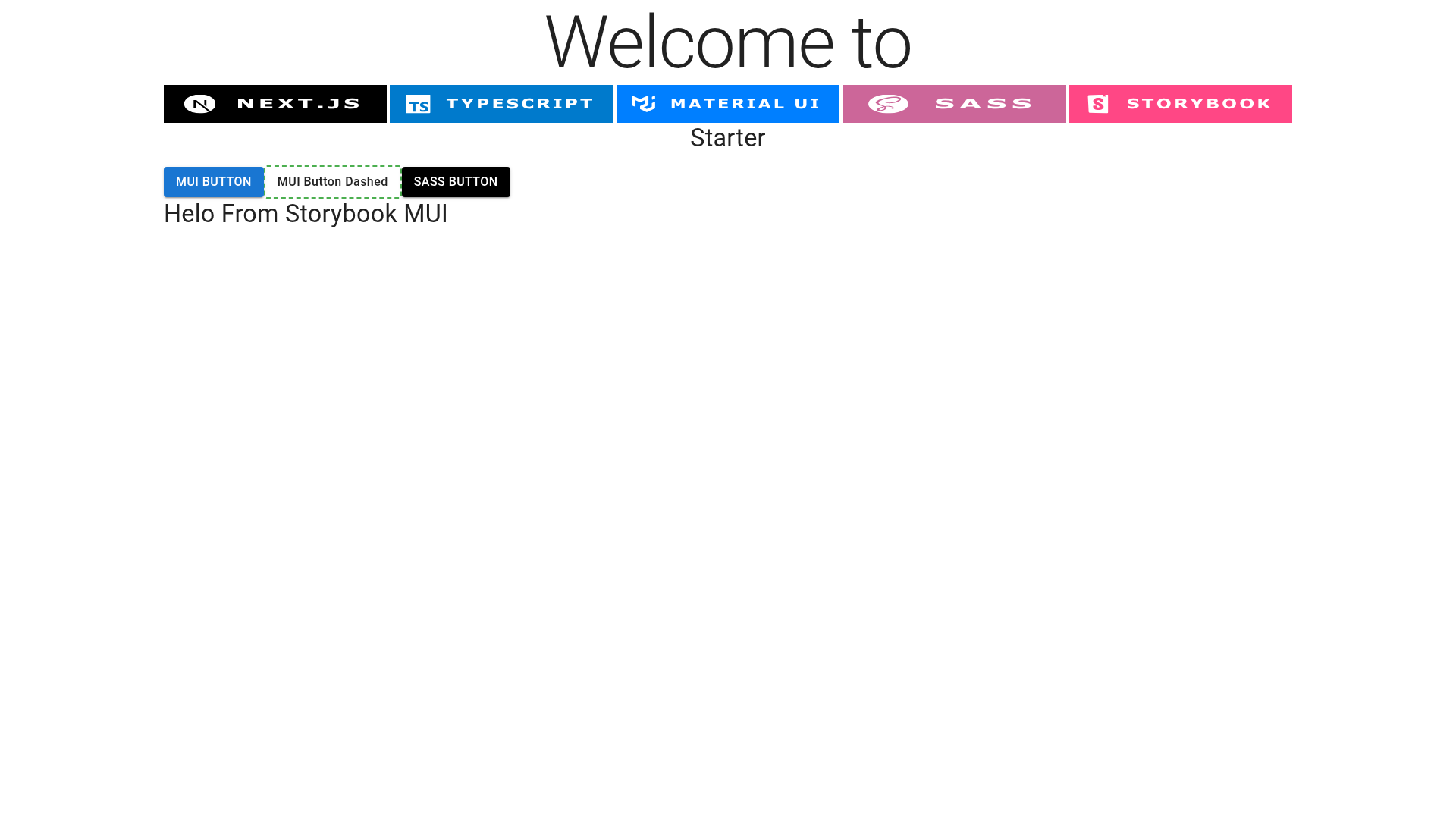
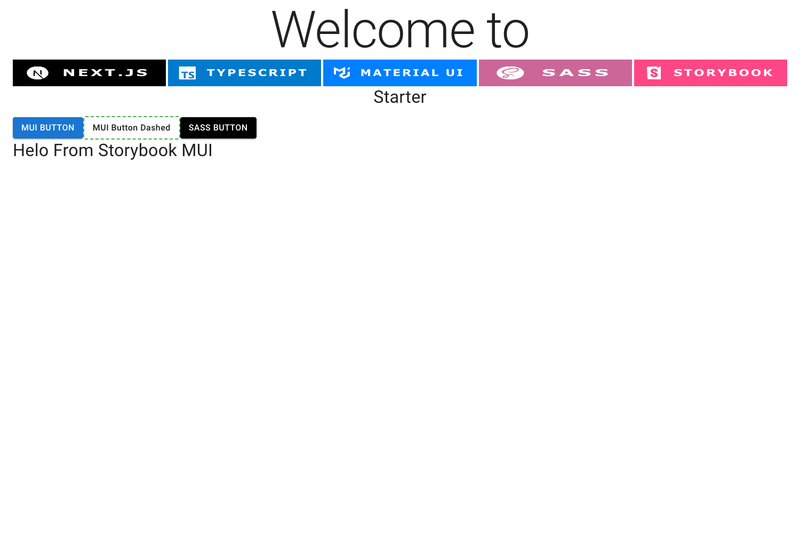
Next.js + TypeScript + Material UI v5 + Sass + Storybook starter with linting & prettier pre-configured
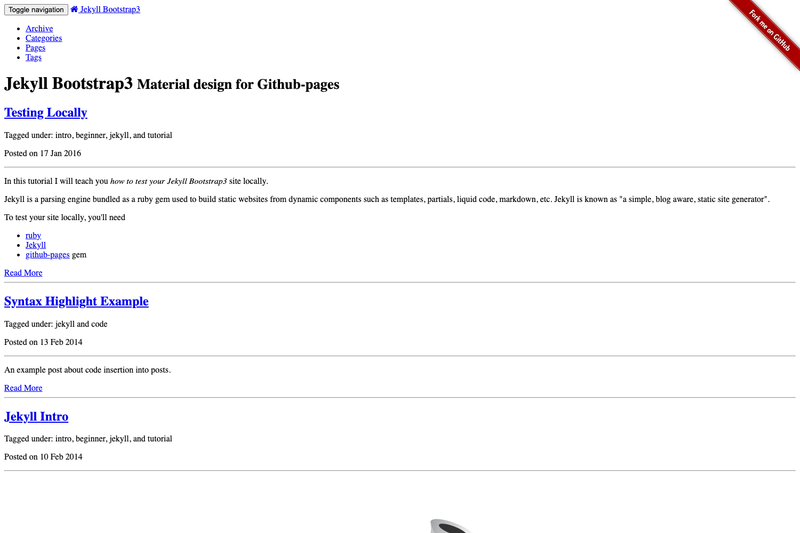
Jekyll Bootstrap 3 with the material design flavour. Publish your materialized blog using GitHub Pages easily.

Gatsby starter providing infinite scroll with pagination fallback, lazy metadata fetching, and scroll restoration.
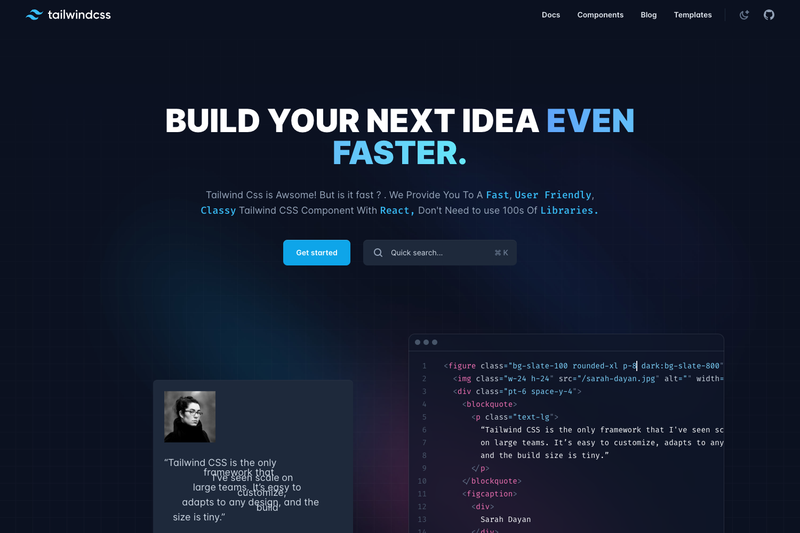
React components with Tailwind CSS — an easy way to start your React app.
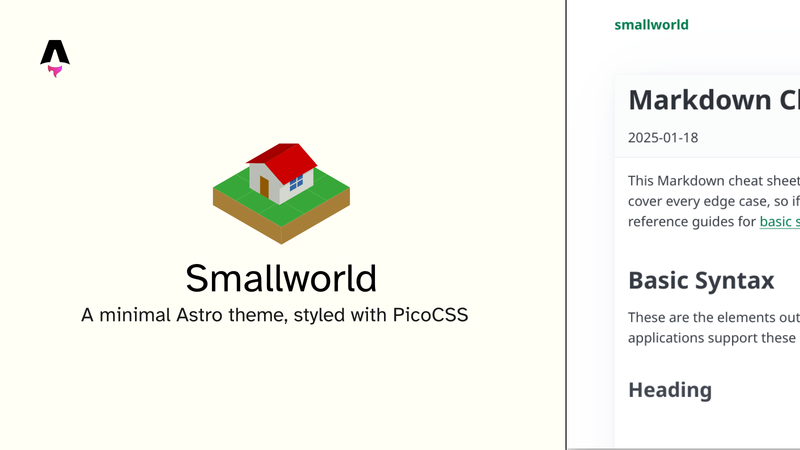
A minimal, low-class Astro template for a simple website with a single-author blog, built on semantic HTML and Pico CSS.
nextjs-ts-mui5-scss-storybook-starter is a GitHub boilerplate for bootstrapping a Next.js application with TypeScript, Material UI v5, Sass, and Storybook pre-configured, created by M Ridho Anshory.
This starter is a ready-to-run Next.js project template that combines the pages router, TypeScript static typing, the Material UI v5 component library, the Sass preprocessor, and Storybook for isolated component development. ESLint and Prettier are configured up front so code style is enforced from the first commit. It is published as a public GitHub repository, so you can either click "Use this template" on GitHub (which adds an attribution to the new repository) or scaffold a fresh project with the command npx create-next-app -e https://github.com/RidhoAnshory/nextjs-ts-mui5-scss-storybook-starter your-project-name. The resulting app runs on the standard Next.js development server and is documented for deployment on Vercel, with the README linking to the official Vercel deployment guide for Next.js.
pages/index.tsx as the main editable file and supports API routes under pages/api, which are mapped to /api/*.npm install, npm run dev) and yarn (yarn, yarn dev).pages/index.tsx.pages/api/hello.ts endpoint at http://localhost:3000/api/hello as a starting point for backend logic.Install dependencies with npm install or yarn, then start the development server with npm run dev or yarn dev. The app is served at http://localhost:3000 and hot-reloads when you edit pages/index.tsx. API routes in the pages/api directory are served at /api/*, decoupled from React pages.
Yes, the repository is public on GitHub and can be cloned or used as a template at no cost. The only requirement is that using it as a GitHub template adds an attribution link to your new repository.
No, the starter uses Sass (SCSS) for styling, not Tailwind CSS. The badges on the repository page show TypeScript, Next.js, Material UI, Sass, and Storybook.
The README points to Vercel as the easiest deployment option for Next.js applications and includes a link to the official Vercel deployment documentation for Next.js.
Yes, after running the dev server you can modify pages/index.tsx and the page auto-updates. The pages/api directory is editable as well, and the README links to the Next.js documentation for learning more about API routes.