Newsletter
Join the Community
Subscribe to our newsletter for the latest news and updates

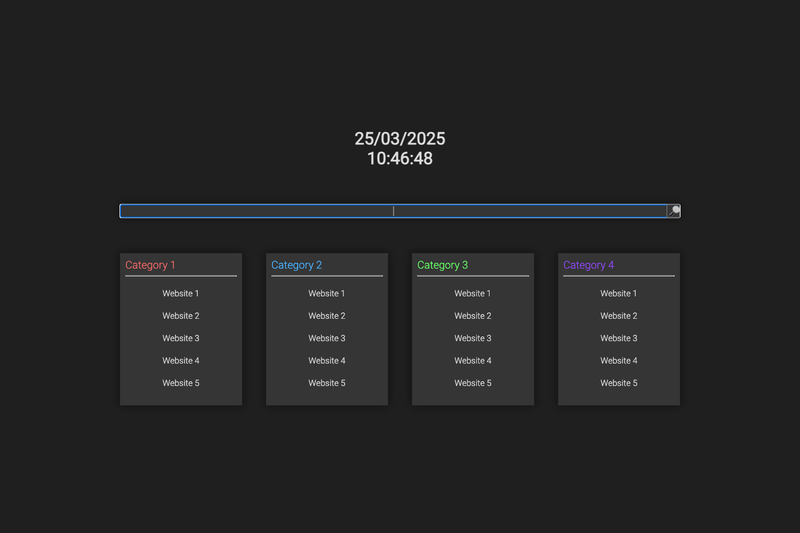
Next.js and Shadcn UI landing page template by Pagen AI with data-driven content and a modular section system.
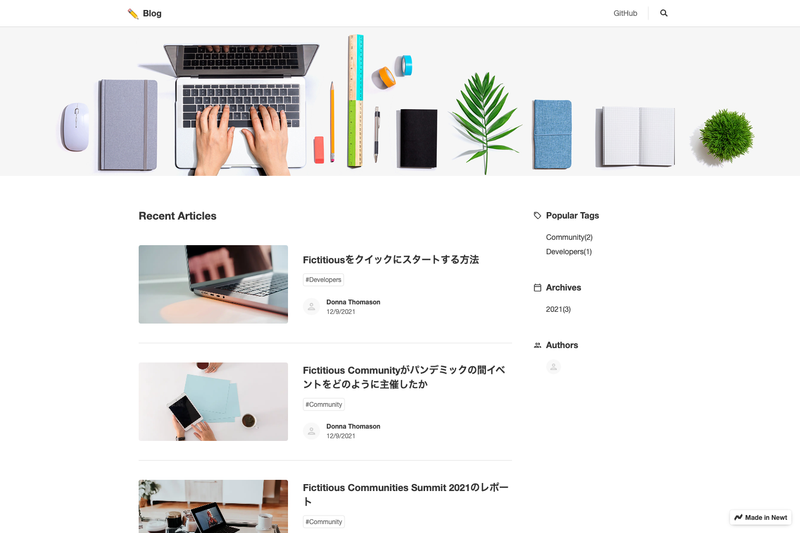
Next.js App Router blog starter for Newt headless CMS with tag, author, year filters and search.
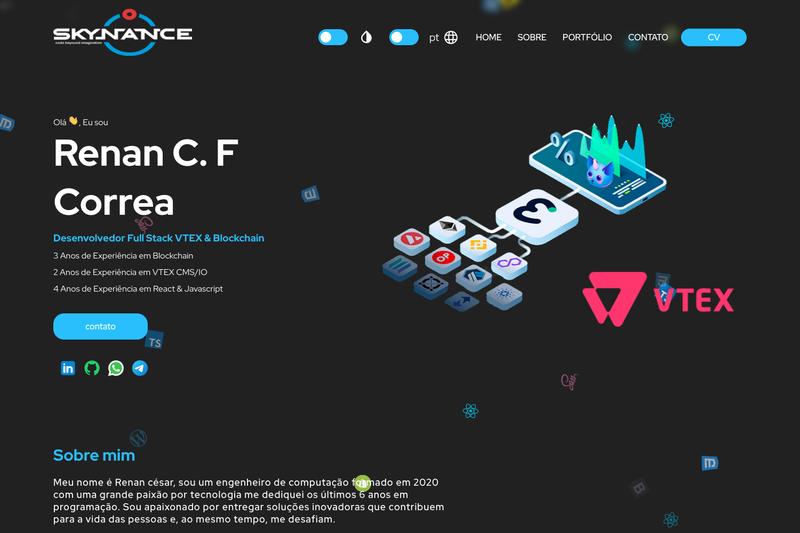
A blockchain app template built with Next.js, TypeScript, and web3.js, pre-configured with ESLint, Prettier, Husky, commit linting, and TypeDoc.
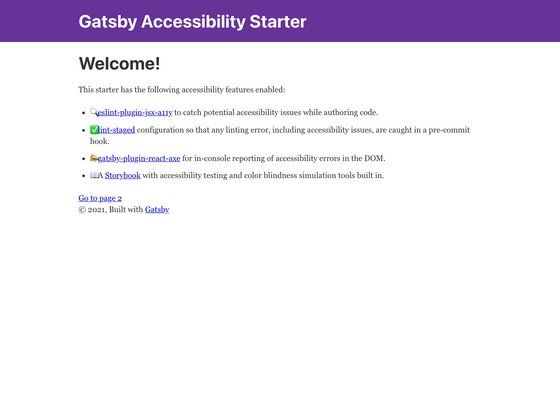
A Gatsby default starter enhanced with built-in accessibility tools for building accessible React sites.
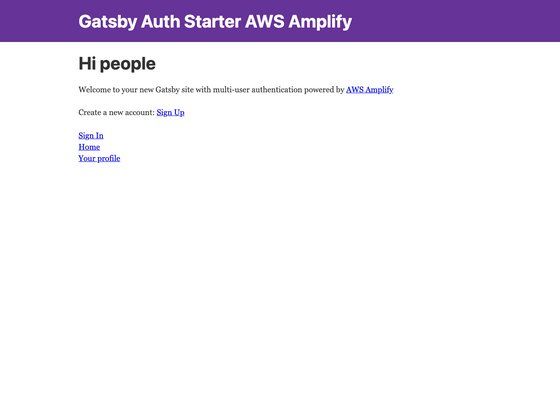
Starter project adding AWS Amplify authentication (sign-up, sign-in, MFA, sign-out) with protected routing to Gatsby apps.
A bare-bones Astro template to get you deployed to Netlify fast!
The Pagen AI Landing Page Template is a Next.js and Shadcn UI landing page boilerplate created by Pagen AI that renders a complete marketing page from a single data file.
The Pagen AI Landing Page Template is a Next.js and Shadcn UI landing page boilerplate created by Pagen AI that renders a complete marketing page from a single data file. It takes content defined in data/demo.ts and displays it through React components located in templates/shadcn/pages/landing.tsx. The template runs on Next.js with pnpm as the package manager and is designed to be previewed locally at http://localhost:3000. Pagen AI maintains it, and the README also links to the Pagen AI Landing Page Generator for creating landing pages in seconds.
pnpm dev.templates/shadcn/ folder.data/demo.ts, allowing text changes without touching component structure.page.tsx file in the app folder that imports the landing component and passes the page data creates a new page.templates/ following the documented structure: assets, components, and pages.pnpm install and pnpm dev, then edit data/demo.ts to replace the demo content with your own landing page copy.templates/ with the required asset, component, and page subdirectories, then submit it through GitHub issues.The README outlines a straightforward workflow: clone the repository, install dependencies with pnpm, and run pnpm dev to preview the landing page at http://localhost:3000. To customize content, edit data/demo.ts; to change styling, modify files in templates/shadcn/. New pages are created by adding a page.tsx file in the app folder that imports the existing landing component and passes it the page data object.
The repository is public on GitHub and the README contains no pricing information, so it can be used freely. The only condition is a request to credit Pagen AI when you use the template, which is typical for open-source boilerplates.
It uses Next.js as the framework and Shadcn UI for components. The package manager is pnpm, and the dev server runs at http://localhost:3000 after executing pnpm dev.
Open data/demo.ts and replace the placeholder values with your own text. Because all content is centralized there, changes appear across every section without needing to alter the underlying components.
Yes. Create a new folder under templates/ and follow the documented structure with assets, components, and pages subdirectories. The README includes an example tree showing where to place CSS, images, and component files.
Open an issue on the GitHub repository linked in the README and follow the submission instructions to add your template to the Pagen Templates Center.