Newsletter
Join the Community
Subscribe to our newsletter for the latest news and updates

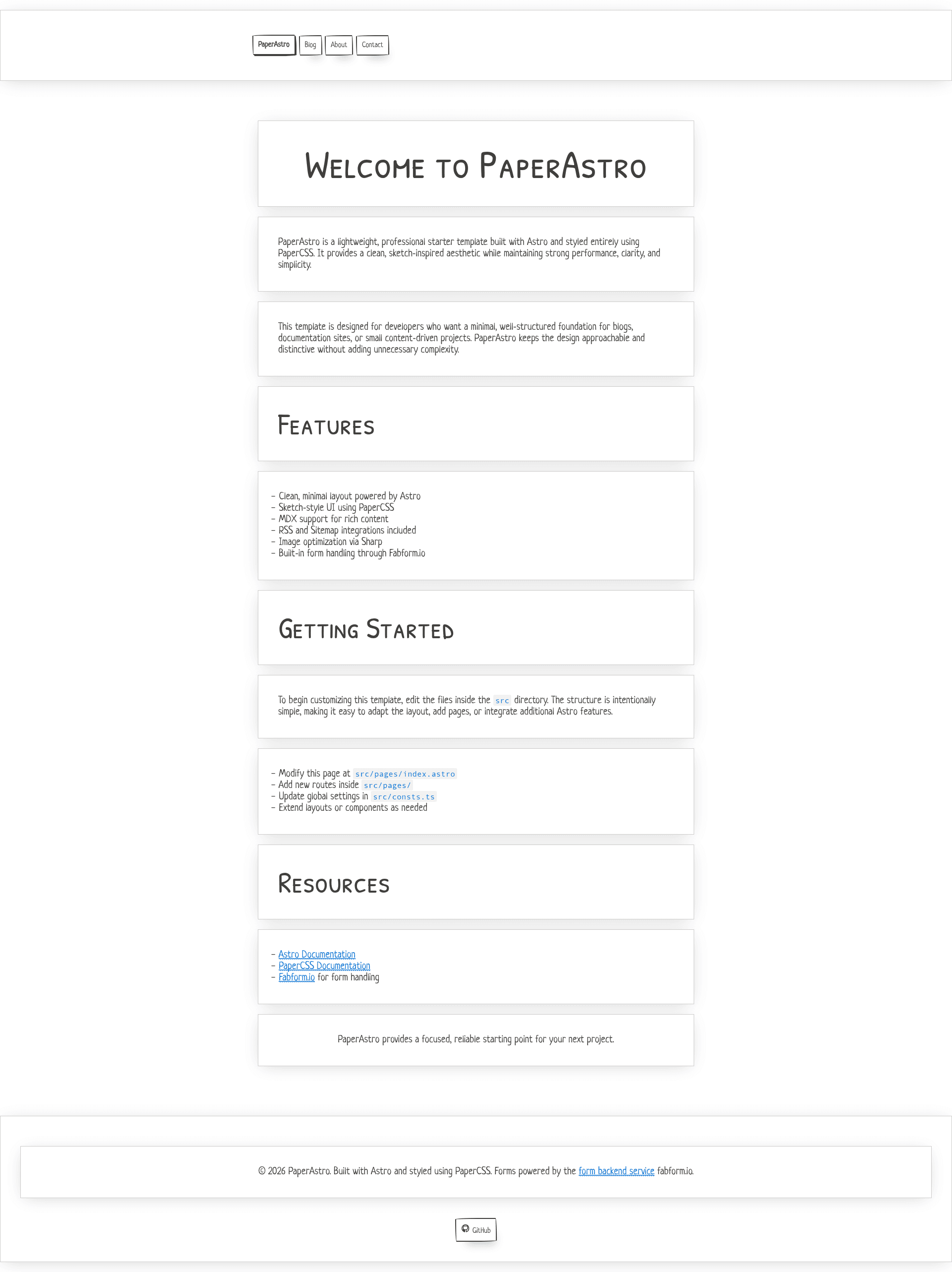
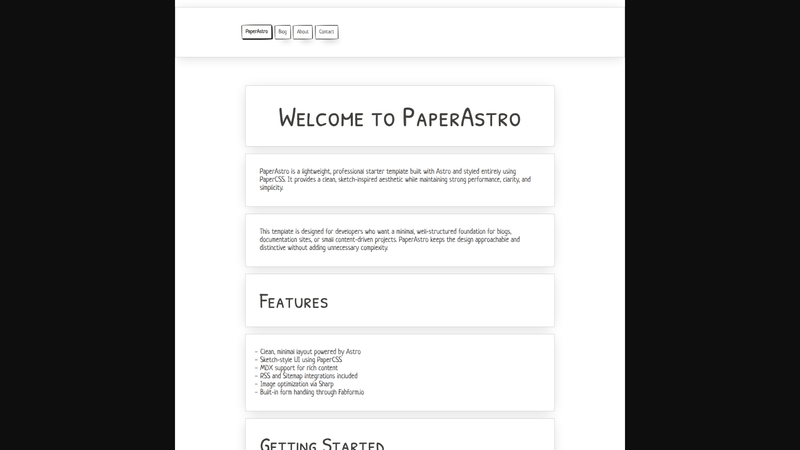
PaperAstro is a lightweight Astro 5 starter template styled with PaperCSS, with built-in Fabform form handling.
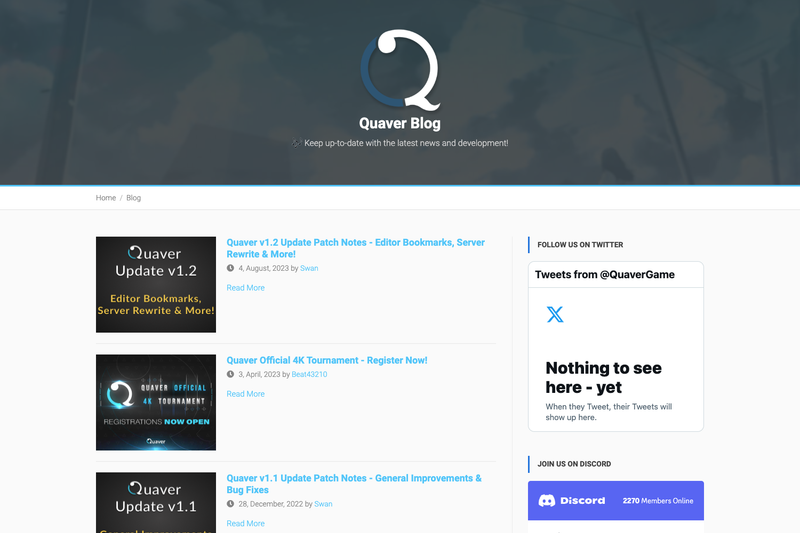
Official blog for Quaver, a multiplayer rhythm game, built on Jekyll Now and hosted at blog.quavergame.com.
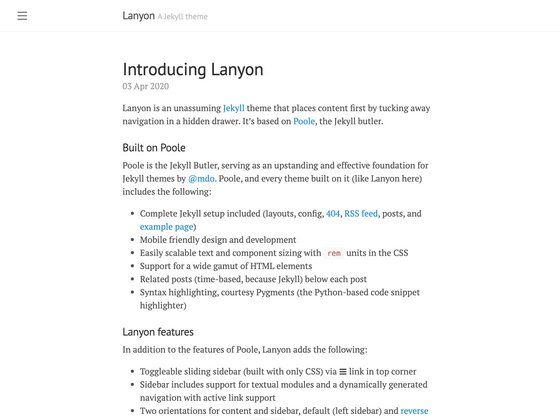
A content-first Jekyll theme with a hidden sliding sidebar drawer, built on Poole.
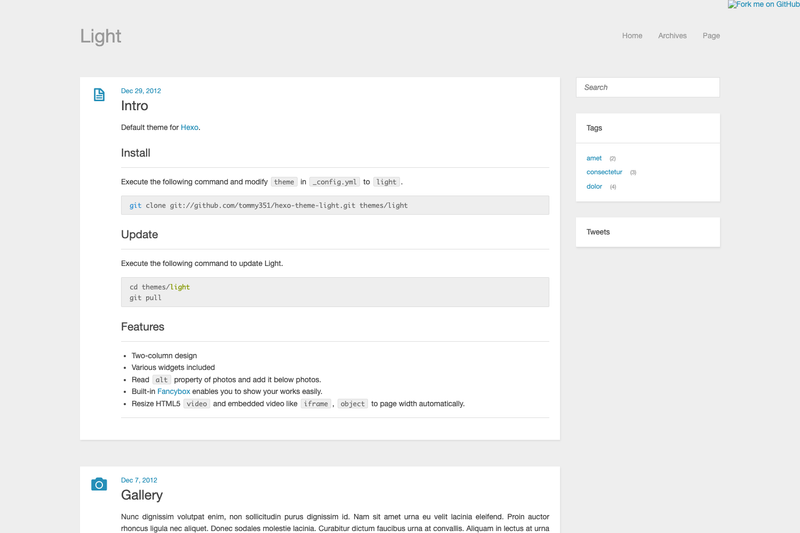
A simple, widget-driven Hexo theme with gallery and link post layouts, Fancybox, and customizable sidebar.
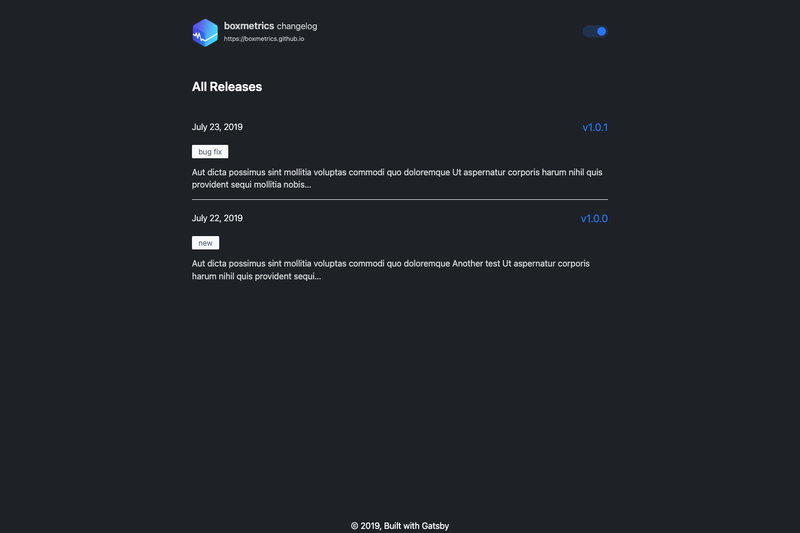
A Gatsby theme for publishing changelogs and release notes as MDX posts with tags, SEO, and Theme UI styling.
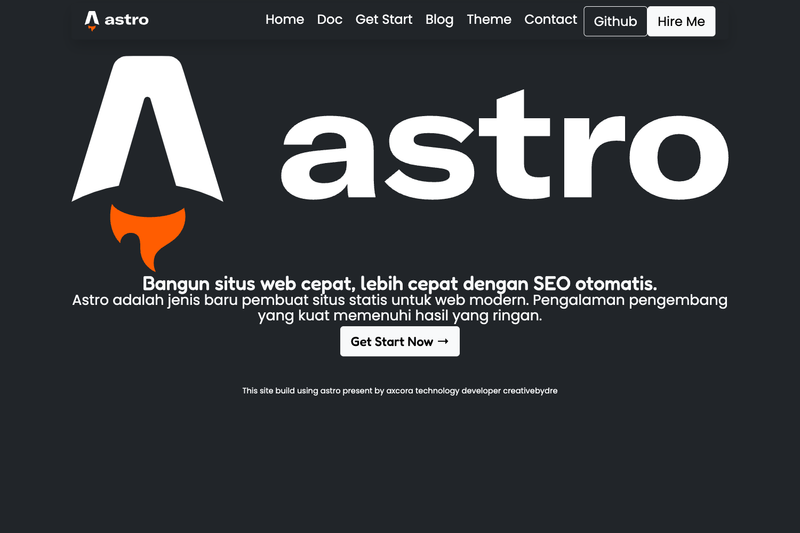
A free starter blog template built with Astro, featuring Markdown support, SEO-ready setup, RSS and sitemap generation, and a modern animated design.
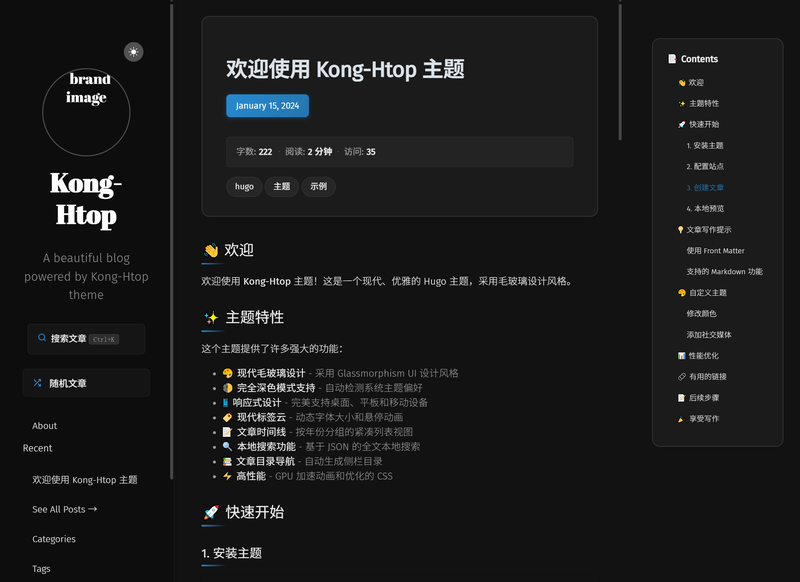
An elegant, modern Hugo theme with glassmorphism design, based on Poison theme.
PaperAstro is a lightweight Astro 5 starter template for blogs and content sites, styled entirely with PaperCSS and featuring built-in Fabform form handling.
PaperAstro is a minimal, content-focused starter template built on Astro 5 that produces static sites with a distinctive hand-drawn, sketch-inspired visual style from PaperCSS. It takes Markdown and MDX files as input and outputs an optimized static site with RSS, sitemap, and image optimization. The template is published as @fabform/paperastro on npm and hosted on GitHub under the fabformhub organization; it is released under the MIT license with copyright to Geoffrey Callaghan.
public, src/components, src/layouts, src/pages, src/styles, and a consts.ts config file.Install the template with npm create astro@latest -- --template @fabform/paperastro, or clone the GitHub repository and run npm install. Start the dev server with npm run dev, build the production site with npm run build, and preview it with npm run preview. To connect forms, simply set your Fabform endpoint URL as the form action.
Yes. PaperAstro is licensed under the MIT License, so you are free to use, modify, and distribute it for personal or commercial projects without paying a license fee.
PaperAstro is built with Astro 5 and styled entirely with PaperCSS. It also includes MDX for content, Sharp for images, and Fabform for form handling.
No. Forms are handled by Fabform, a backend-free service. You add your Fabform endpoint URL to the form action, and submissions go to your Fabform dashboard with no server code or API keys.
You can deploy to Vercel with the one-click button in the repository, or build the project with npm run build and host the output on any static host.