Newsletter
Join the Community
Subscribe to our newsletter for the latest news and updates
Minimalist Hugo theme focused on reading experience with high-contrast colors and Highlight.js syntax highlighting.
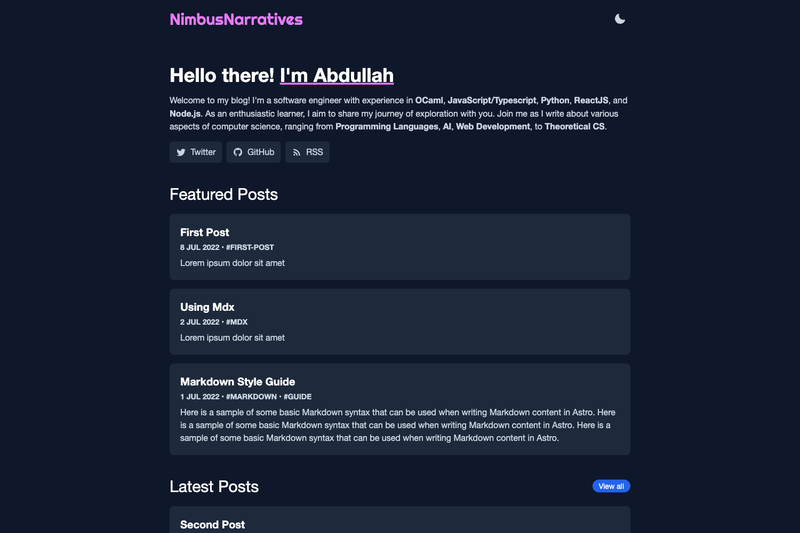
A minimal, accessible, and SEO-friendly personal blog theme built with Astro, Preact, and TailwindCSS.
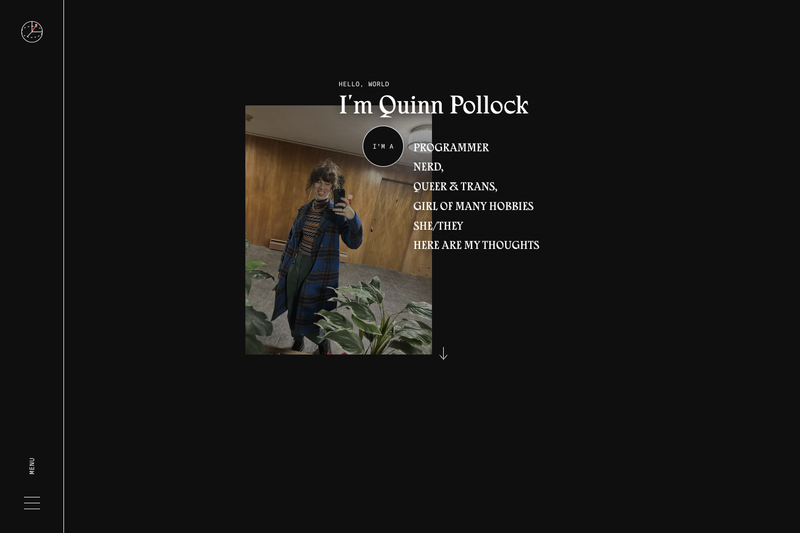
A Jekyll-powered personal blog template by Goodbyte, deployed on Netlify for Quinn Pollock.
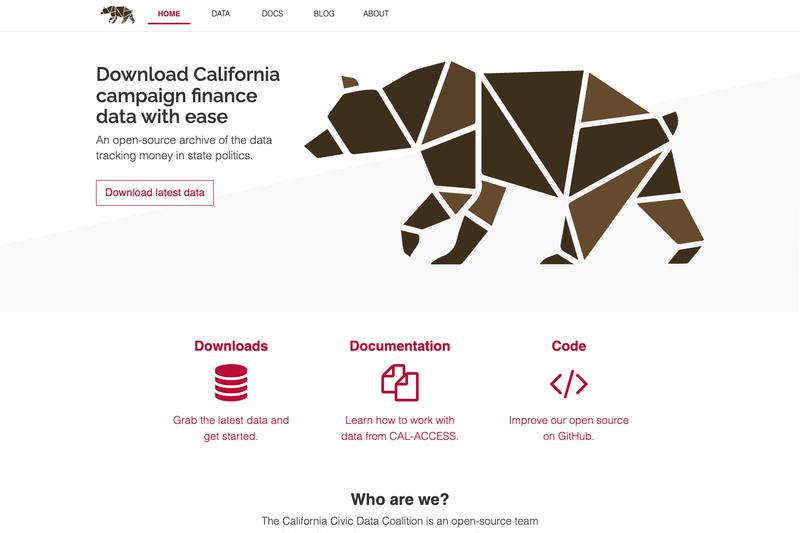
A Jekyll-powered blog template for the California Civic Data Coalition, focused on journalism and open-source civic data.
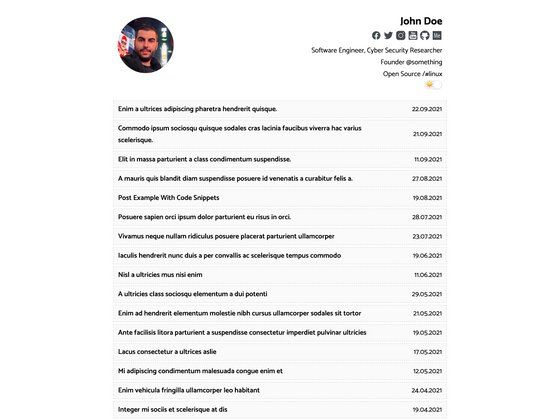
Minimalist Jekyll blog theme with dark/light modes, tags, MathJax, Disqus, and zero CSS dependencies.
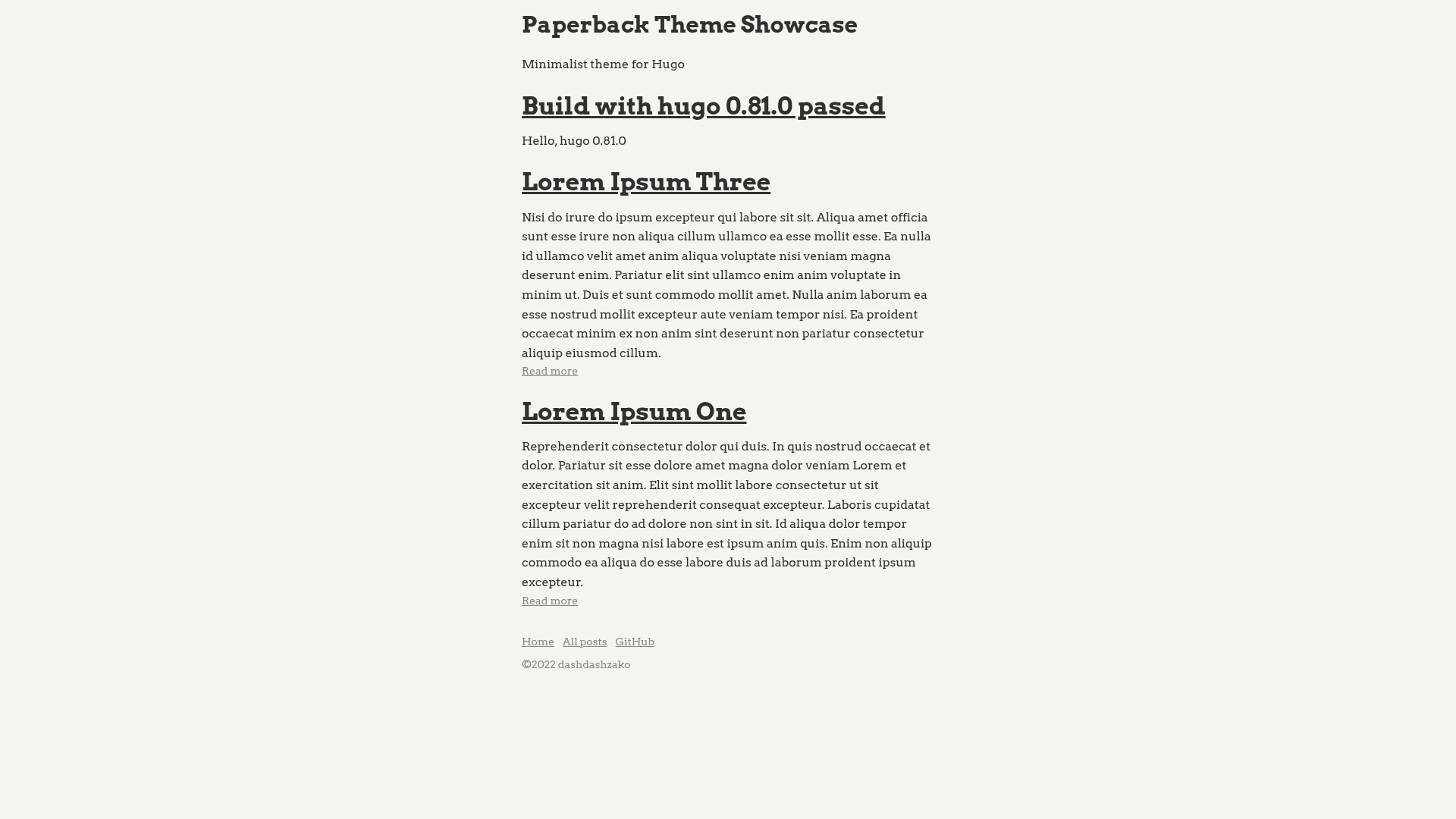
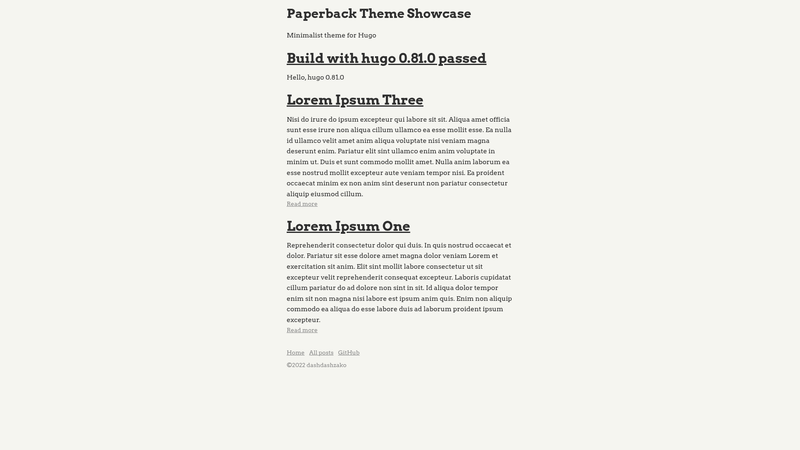
Paperback is a minimalist Hugo theme that prioritizes reading comfort through high-contrast typography and a deliberately simple, effect-free layout.
Paperback is an open-source theme for the Hugo static site generator. It takes Hugo site content written in Markdown and a configuration file, then renders a lightweight blog or personal website focused on readability. The theme is published on GitHub under the dashdashzako account and is showcased in a live demo at dashdashzako.github.io/paperback-demo.
Paperback follows the standard Hugo theme workflow. After installing the theme into your project, you set values in the site config for your name, tagline, number of homepage posts, and optional social handles. The theme then generates static HTML pages from your content, and you can customize code highlighting by placing your own Highlight.js build and highlight.css file in the static folder.
Yes, the theme is publicly available on GitHub, so you can download and use it at no cost.
Paperback is a Hugo theme that renders Markdown content into a minimalist blog or personal website with high-contrast text, optional social links, and Highlight.js-powered code highlighting.
Install it as you would any Hugo theme: clone or copy the theme into your Hugo themes directory, then follow the Hugo themes installation documentation. After that, add the config parameters shown in the README to your site configuration.
Yes. Replace the Highlight.js build in the static/js directory and provide your own highlight.css file in static/css. The theme will use those files for code highlighting.