Newsletter
Join the Community
Subscribe to our newsletter for the latest news and updates

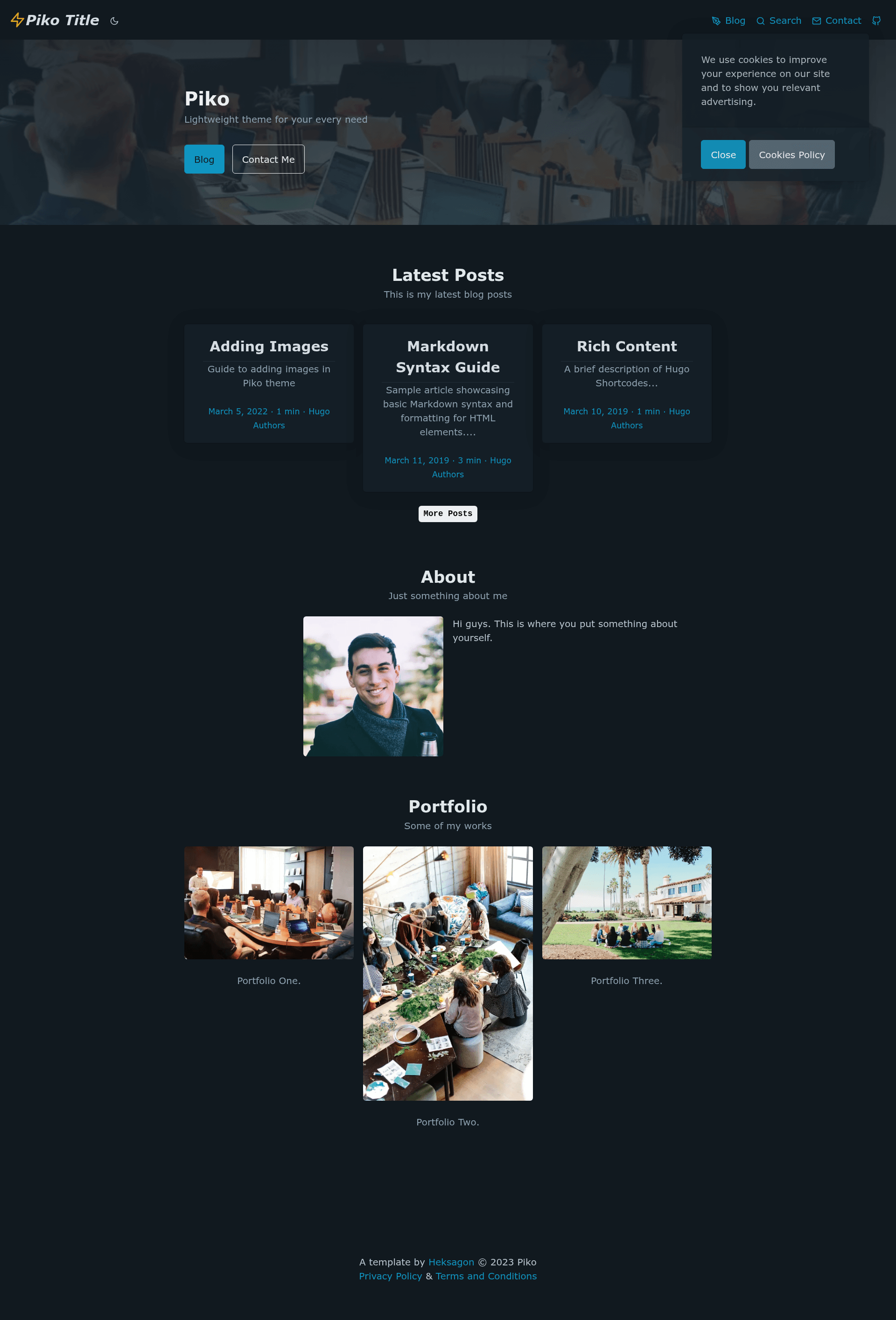
Minimalistic and fast Hugo theme for building a blog or portfolio, styled with Pico CSS and optimized for performance.
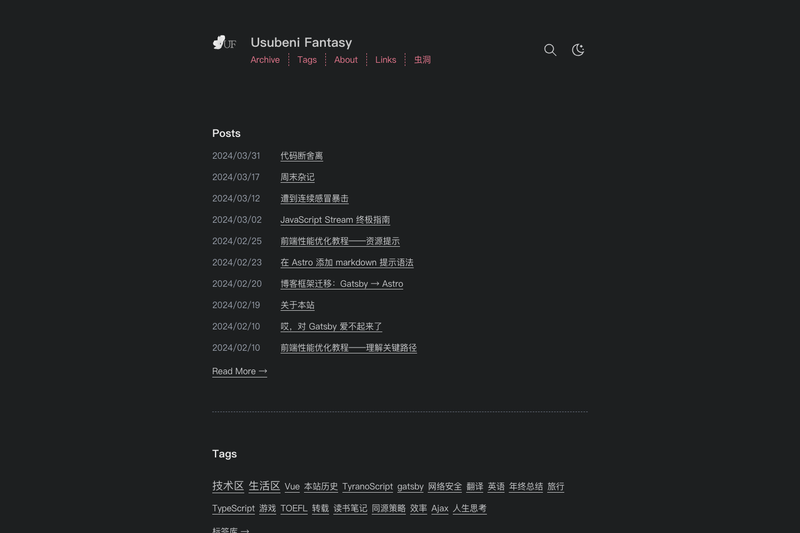
Usubeni is a fast, SEO-optimized Gatsby v5 blog theme with prismjs, katex, TOC, and tags support.

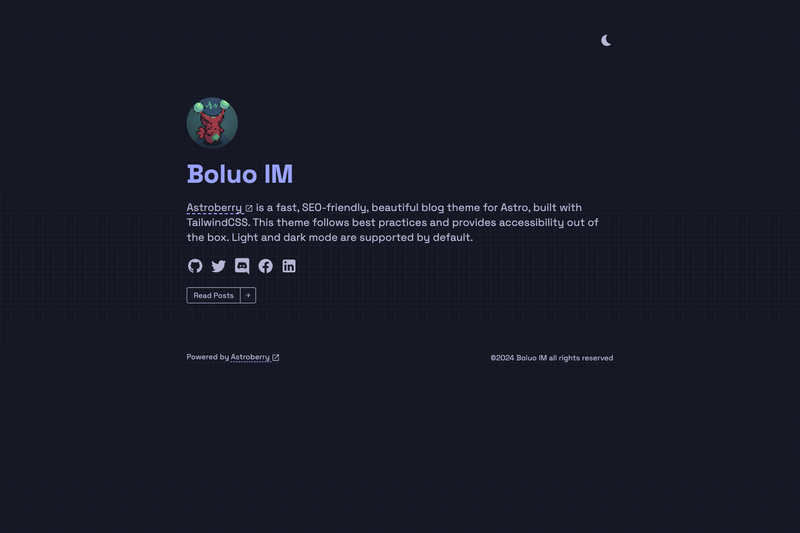
A minimal Hugo blog theme with no JavaScript or custom CSS, styled via classless CSS frameworks.
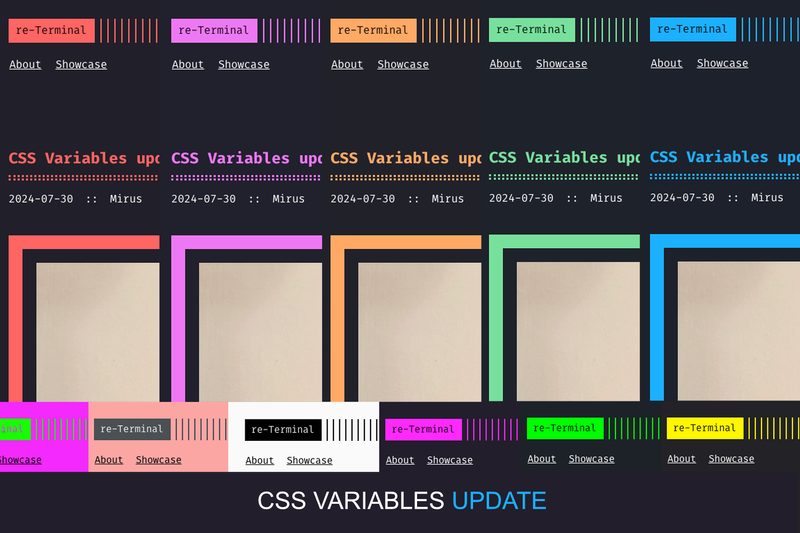
Retro duotone Hugo theme for blogs and portfolios, forked from Terminal with new features and modernized code.
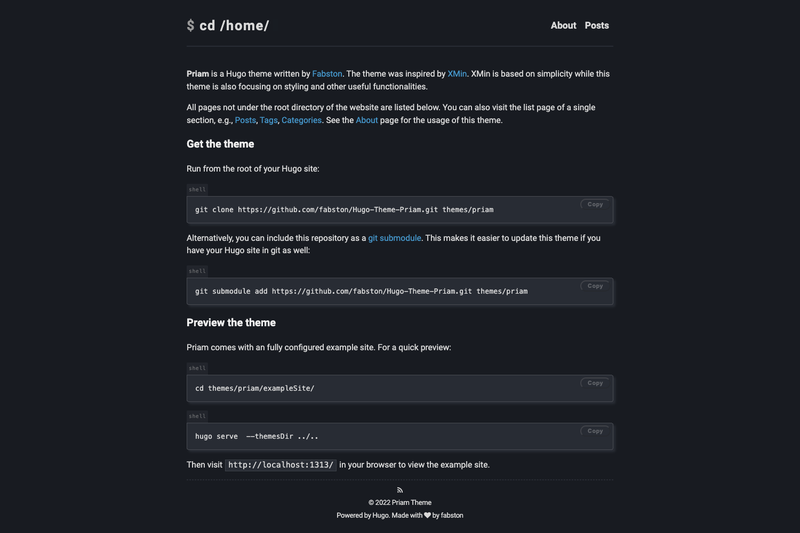
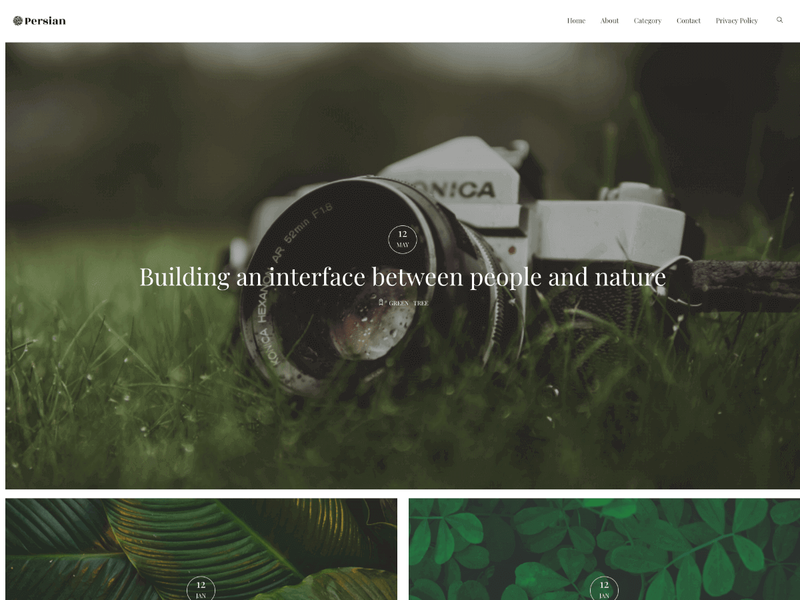
A fast, clean, responsive Hugo theme with extended shortcodes and syntax highlighting.
Piko is a minimalistic, fast Hugo theme for building a blog or portfolio, styled with Pico CSS and optimized for a perfect 100/100 Google Lighthouse score. Built by Heksagon Net, it runs on the Hugo static site generator and requires Hugo version 0.91.0 or higher.
Piko is a free, open-source Hugo theme that turns Markdown content into a static blog or portfolio website. As an input it accepts Hugo content files and site configuration; as output it generates a fully static site with minified CSS and JavaScript. The theme is distributed on GitHub under the MIT License and comes with an exampleSite folder to help you start. Its demo is hosted on Netlify, and a Lighthouse report confirms a 100% performance score.
Piko suits bloggers who want a fast, minimal site without manual front-end work. Freelancers and creatives can use it to build a portfolio with multiple author support, and developers who prefer static sites can customize it easily thanks to SASS/SCSS and the Hugo template structure.
You can start in two ways. For a quick deploy, sign in with GitHub and Netlify, then click the one-click Deploy to Netlify button that clones the repository and builds it automatically. For local development, clone the repo, cd into the exampleSite folder, and run hugo server --themesDir ../.. to serve the site at a local URL. The theme expects content in the standard Hugo content directory and uses config files within exampleSite.
Piko is free and open-source software under the MIT License. The theme itself has no cost; the only expenses you might incur are for third-party services such as Netlify (free tier available) or Forestry (free tier available at the time of writing).
Yes. Piko is released under the MIT License, which allows free use, modification, and distribution for both personal and commercial projects.
Piko requires Hugo version 0.91.0 or newer. The repository shows the minimum Hugo version as 0.91.0, so you should install at least that version to use the theme.
Use the Deploy to Netlify button in the repository, which clones the Piko repo into your Netlify account. After connecting your GitHub and Netlify accounts, click through the prompts and your site goes live with the predefined Netlify settings.
Yes, Piko is pre-configured for Forestry CMS. You log in to Forestry with GitHub, add your site, choose Hugo, point the config path to exampleSite, and Forestry recognizes the config file and lets you edit content.