Newsletter
Join the Community
Subscribe to our newsletter for the latest news and updates

A curation of awesome portfolio ideas for developers and designers
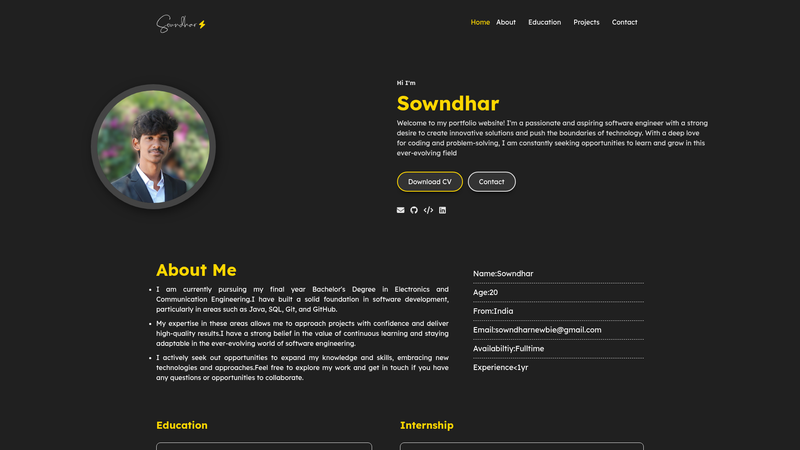
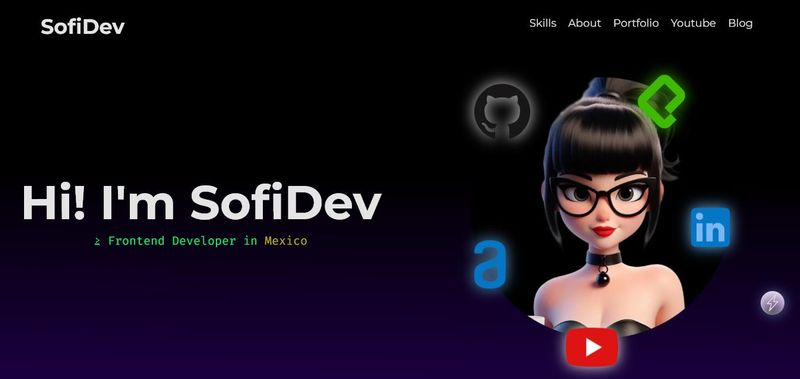
Responsive portfolio website template built with pure HTML, CSS, and JavaScript for developers and creatives.
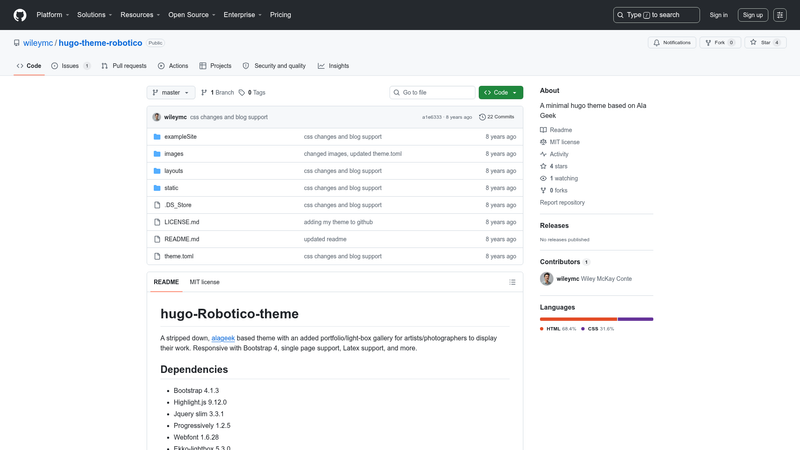
A minimal Hugo theme with a portfolio light-box gallery for artists and photographers, based on alageek.

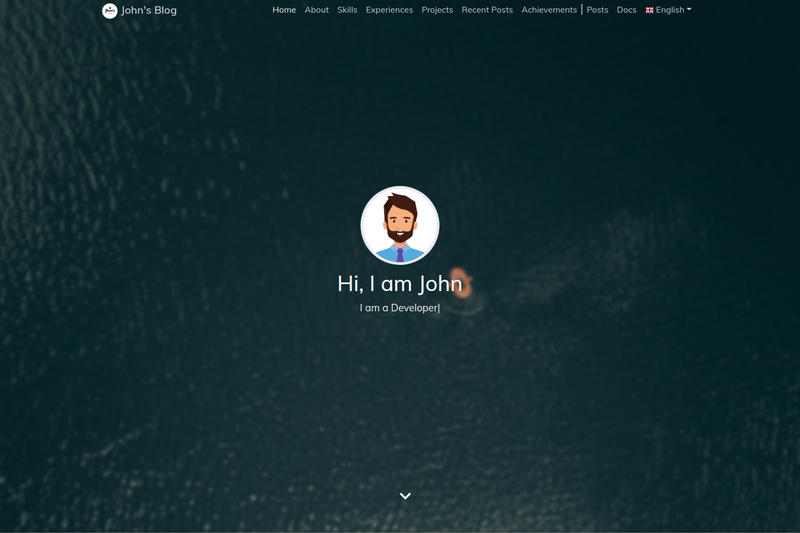
Free Bootstrap 4 multi-page personal portfolio template with hero header, sticky nav, portfolio grid, blog, and PHP contact form.
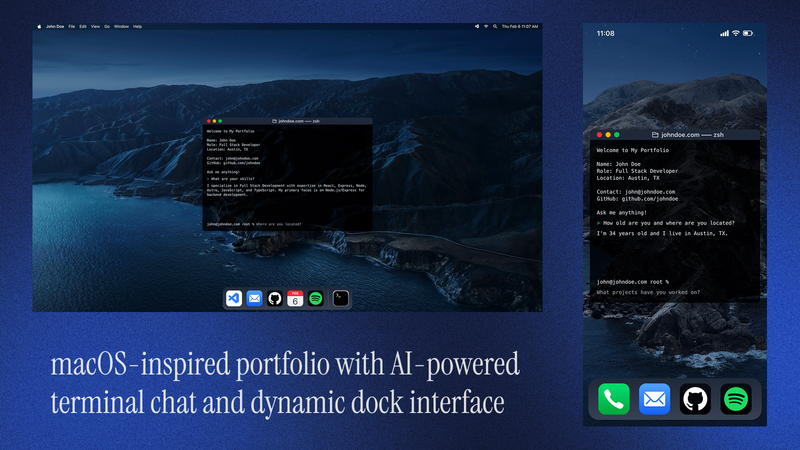
Interactive macOS-inspired portfolio with AI-powered chat, dynamic backgrounds, and SEO optimization
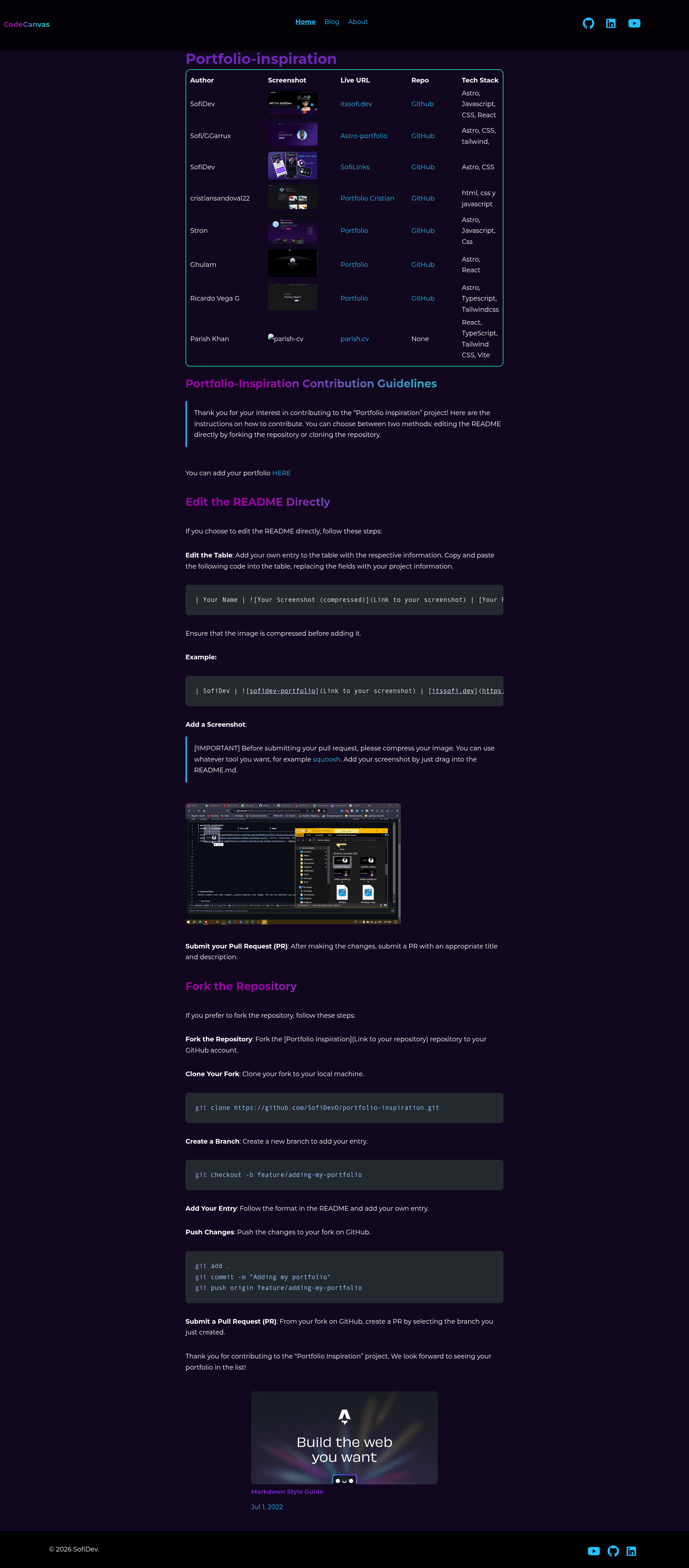
portfolio-inspiration is a community-curated GitHub directory that collects developer and designer portfolio websites, each with a live URL, source repository, screenshot, and tech stack, so visitors can browse real examples for design and code ideas.
portfolio-inspiration is an open-source GitHub repository (maintained by SofiDev) that serves as a gallery of portfolio websites. It takes the form of a single README file containing a markdown table; each row lists the author, a screenshot, a live portfolio link, a GitHub repository link (when available), and the technologies used. The current table features eight portfolios. The repository also includes contribution instructions so developers can add their own portfolio to the list.
The repository is essentially a markdown file, so there is no software to install. To contribute, you either edit the README directly (by forking the repo, adding a row to the table, and submitting a PR) or clone the repository, create a new branch, add your entry, push, and open a pull request. Screenshots must be compressed before being added, and the instructions recommend drag-and-drop into the README.
portfolio-inspiration is free. The repository is public on GitHub, and there are no paid tiers or subscription requirements for browsing or contributing.
You can either fork the repository and edit the README to add your row to the table, or clone the repository, create a branch, add your entry, push, and submit a pull request. The README gives step-by-step commands for the fork and clone workflows.
Yes. The contribution guidelines state that your screenshot must be compressed before submission and they recommend using a tool such as Squoosh. The README also shows images can be added by dragging them into the markdown editor.
Yes, the repository is open source and publicly accessible on GitHub. There is no charge to browse the list or to contribute your own portfolio.
The current entries show Astro as the most common framework (used in six of eight portfolios), with React, TypeScript, Tailwind CSS, HTML, CSS, and Vite also appearing. The table explicitly lists the technologies for each entry.
Most entries include a GitHub link, but not all. For example, the entry for Parish Khan (parish.cv) has no repository link, so its source code is not available through the list.