Newsletter
Join the Community
Subscribe to our newsletter for the latest news and updates

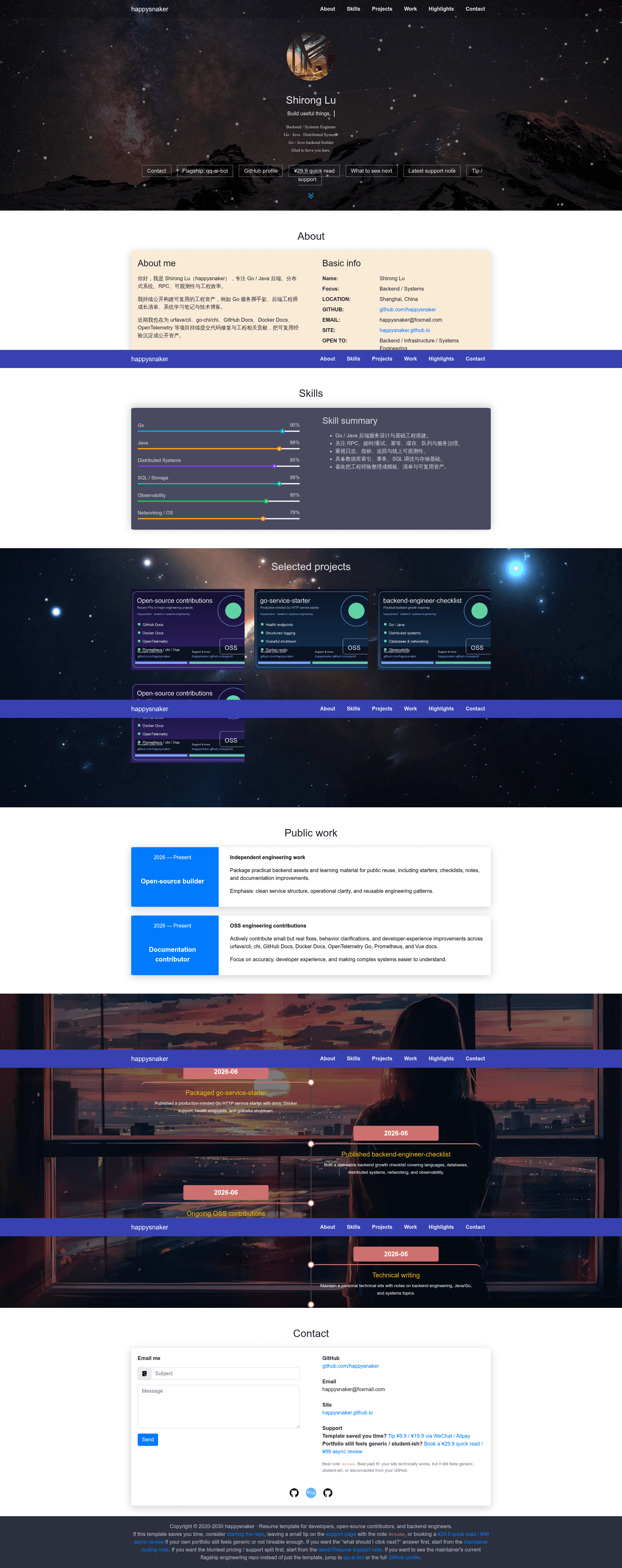
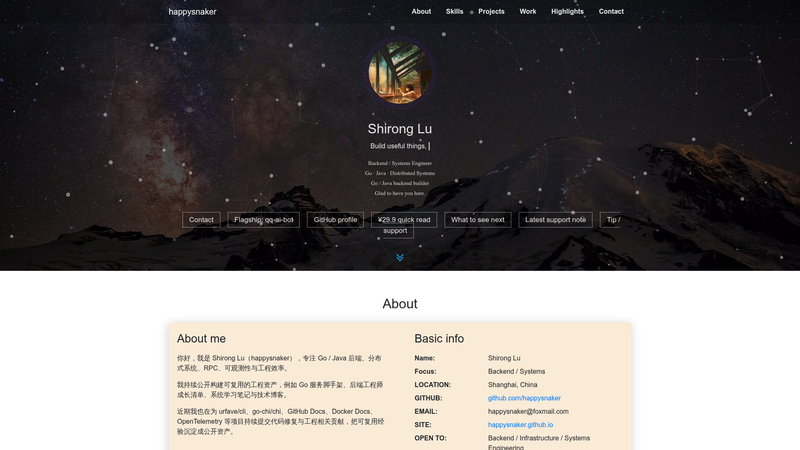
Responsive HTML/CSS/JS resume and portfolio template for GitHub Pages, personal sites, and developer landing pages.
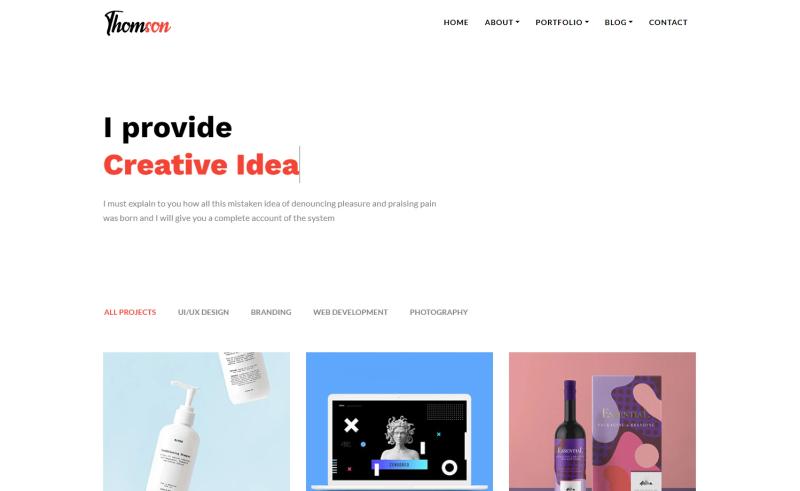
Thomson is a free, open-source multipage portfolio website template built on Bootstrap v4.1.1 by Themefisher, with 10+ HTML pages.
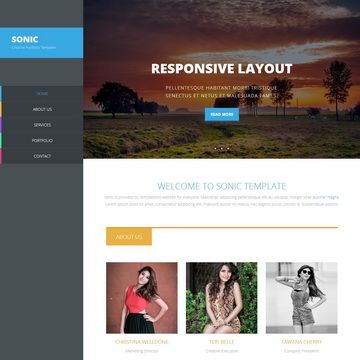
Free Bootstrap 3.1.1 HTML5 template with a 2-column layout, sticky left sidebar, and FlexSlider homepage for creative portfolios.
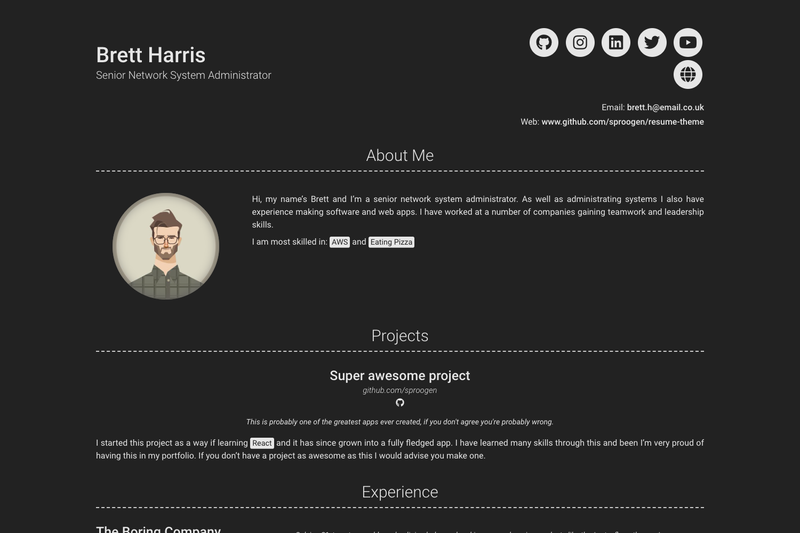
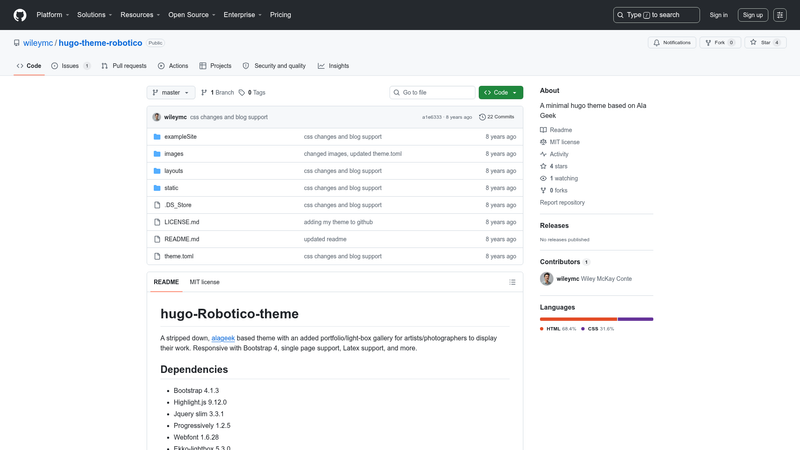
A modern static resume template and theme powered by Jekyll and GitHub Pages, free to host your own resume.
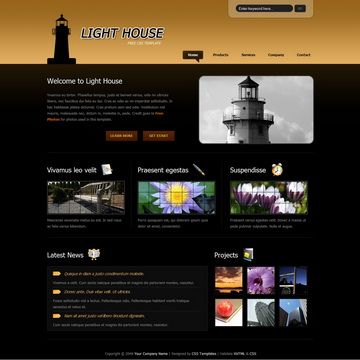
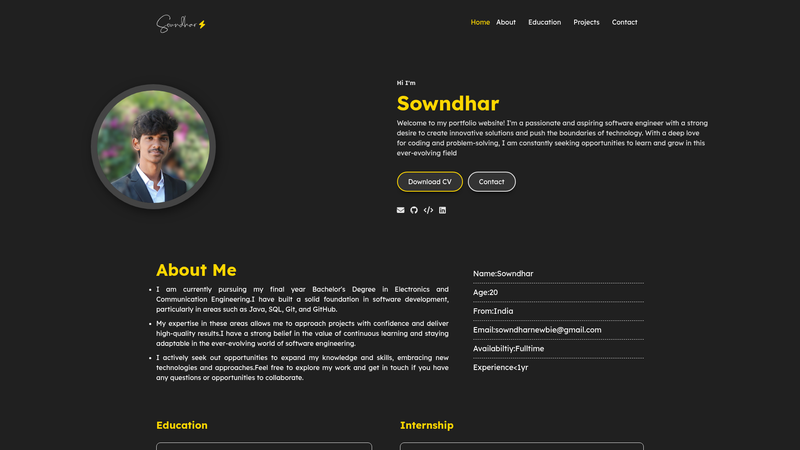
Light House is a professionally designed web template using black background color.
Resume is a clean, responsive resume and portfolio website template built with plain HTML, CSS, and JavaScript by maintainer happysnaker. It takes a single configuration file, config/config.js, as input and renders a static personal website with sections for profile info, skills, projects, timeline, and social links. Because it is a fully static site, it runs on GitHub Pages or any static hosting platform with no backend dependency.
config/config.js, so you change your profile, welcome text, skills, portfolio items, timeline, and social links without touching markup.index.html entry point, make it easy to navigate and modify.config/config.js, and deploy to GitHub Pages to publish in minutes.The quick start has three steps: clone (or fork) the repository, edit config/config.js with your own information, and open index.html locally or deploy the repo to a static hosting service. The template reads the config at runtime and renders the page content, so there is no build step or database.
Yes. Resume is released under the MIT License, and the repository is public on GitHub, so you can use, modify, and deploy it for free. The maintainer separately offers optional paid review services for profile feedback, but the template itself is open source.
The main file is config/config.js, where you set your profile information, welcome text, about section, skills, portfolio items, timeline, and social links. You can also replace images in the images folder and adjust styles in the CSS folder.
Yes. The template is a fully static site, so you can push the repository to GitHub and enable Pages, or use any static hosting platform such as Netlify or Vercel.
No. The project uses only HTML, CSS, and JavaScript with no server-side code, databases, or external build tools. Everything runs in the browser.
The repository contains index.html as the entry page, config/config.js for personal data, CSS and JS folders for layout and scripts, images for local assets, and svg for icons. A THIRD_PARTY_NOTICES.md file lists bundled third-party resources.