Newsletter
Join the Community
Subscribe to our newsletter for the latest news and updates

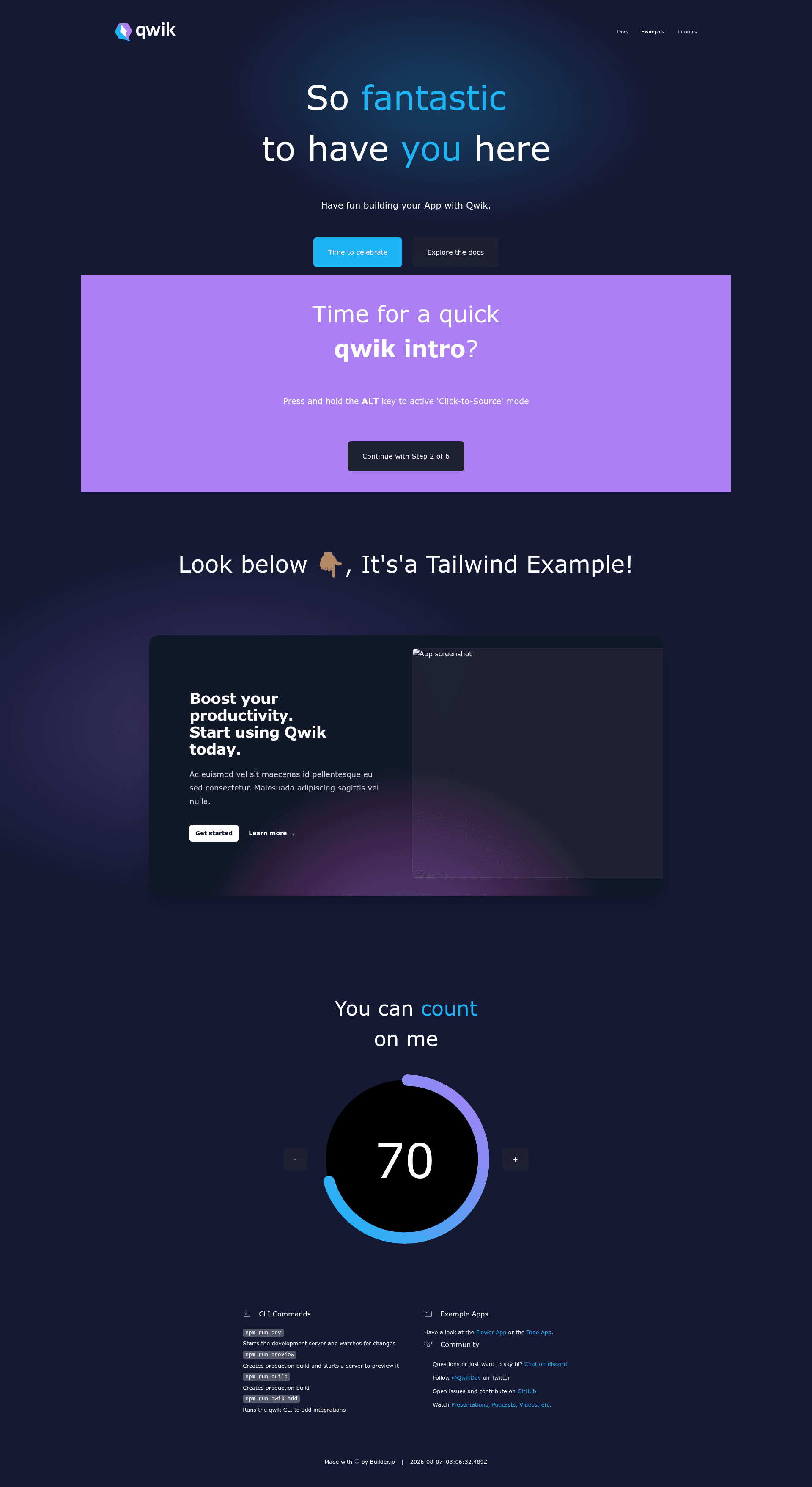
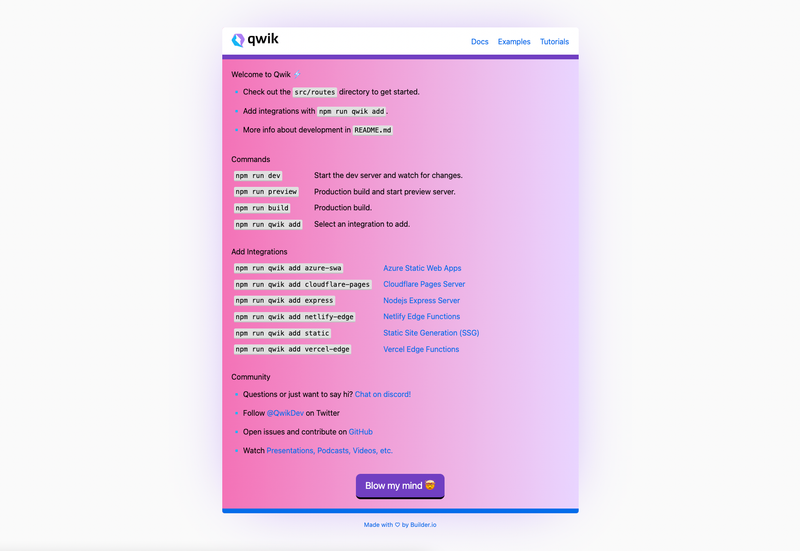
Starter template for a Qwik City site with directory-based routing and Vercel Edge deployment.
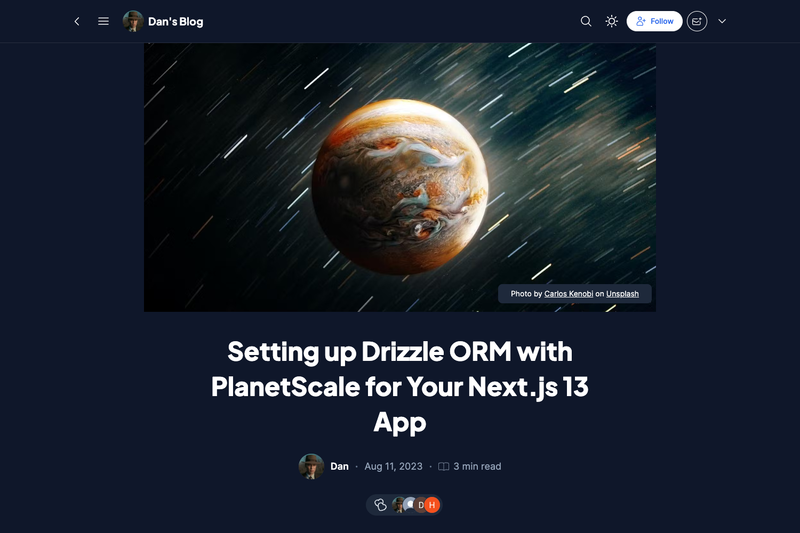
A robust starter template integrating Next.js 13 server actions with Drizzle ORM and PlanetScale.
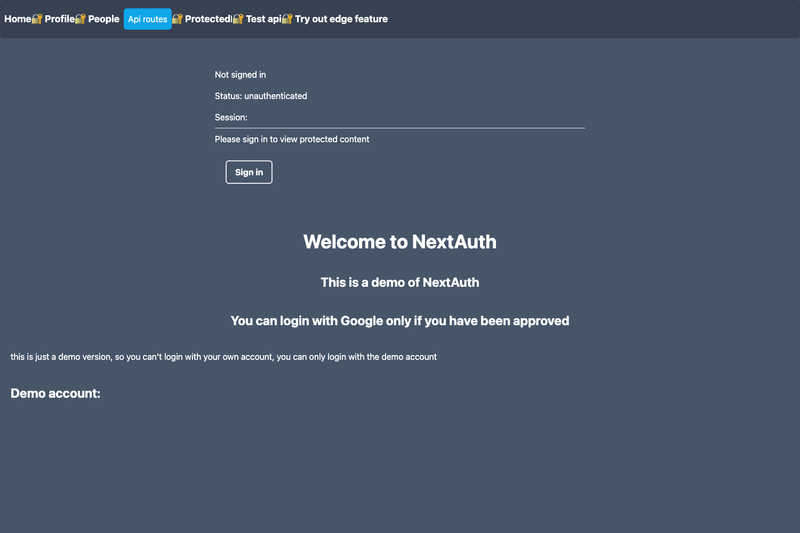
Example Next.js app using NextAuth for authentication without a backend, styled with Tailwind CSS, and featuring protected routes.
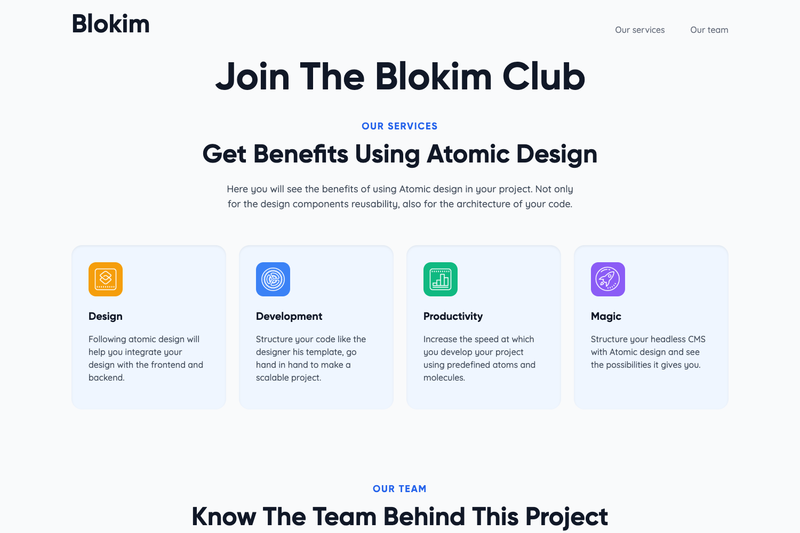
A boilerplate project designed to demonstrate the benefits of using Atomic Design while structuring your Storyblok dashboard
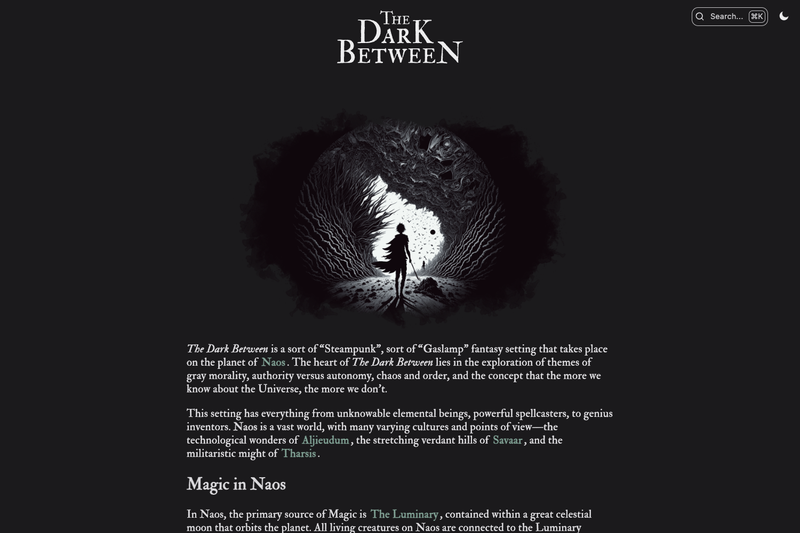
Minimal Gatsby starter with TypeScript for creating fast static sites.
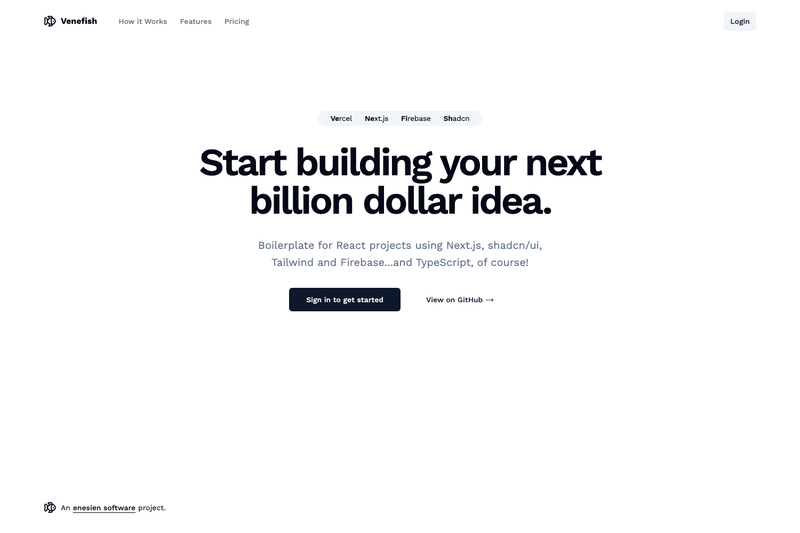
Boilerplate for React TypeScript projects using Next.js, shadcn/ui, Tailwind and Firebase on Vercel!
The Qwik City App is a starter template from the BuilderIO team that combines the Qwik framework with QwikCity, a site-building layer offering directory-based routing and layouts, and it ships pre-configured for deployment to Vercel Edge Functions.
The Qwik City App is a starter template for building a full Qwik site with QwikCity, which adds directory-based routing, layout files, and endpoint support on top of the Qwik framework. The project structure includes src/routes for pages and endpoints, src/components for reusable components, and public for static assets. It is set up with Vite as the build tool and is configured to deploy to Vercel Edge Functions, meaning the rendered site runs at edge locations near your users.
index.tsx files inside src/routes, with layout.tsx files for shared layouts and index.ts files for endpoint handlers.src/components is the recommended location for Qwik components, keeping them separate from route definitions.public directory and are served from the project root by Vite.adapters/vercel-edge/vite.config.ts and a new entry file src/entry.vercel-edge.tsx, and updates the build.server script in package.json for the Vercel Edge build.npm start or yarn start starts Vite's dev server, which server-side renders the output during development.pnpm preview builds client modules and src/entry.preview.tsx, then runs a local server to preview the production build.pnpm build runs both the client and server build commands and also runs a TypeScript type check on the source code.pnpm qwik add adds integrations like Cloudflare, Netlify, Express, or the Static Site Generator (SSG) to the project.index.ts files within the routes directory, all in one project.layout.tsx and index.tsx files under src/routes.pnpm qwik add to add Cloudflare, Netlify, Express, or SSG support, making the same codebase deployable to different platforms.The template organizes code into src/routes for routing, src/components for reusable components, and public for static assets. During development, npm start runs Vite's dev server with server-side rendering. For production, pnpm build generates client and server modules and runs a TypeScript type check. To deploy to Vercel Edge, run pnpm deploy for a development deployment (which requires a Vercel account), or commit the code to a git repository and deploy through the Vercel dashboard.
The starter template is publicly available on the GitHub repository. To deploy it to Vercel, you will need a Vercel account; the README notes that the dev deploy step requires one.
Qwik is a framework focused on instant loading and resumability. QwikCity is an extra set of tools on top of Qwik that adds directory-based routing, layout files, and endpoint support, making it easier to build a full site.
Not by default. You can run pnpm qwik add and choose the Static Site Generator integration to enable SSG, which is mentioned in the README as one of the available integrations.
Yes. The pnpm qwik add command supports Cloudflare, Netlify, Express, and other adapters, so you can switch the deployment target by adding an integration and an entry file for that platform.
The README notes that during dev mode Vite may request a significant number of .js files. This is normal for development and does not reflect the production build, which optimizes the client modules.