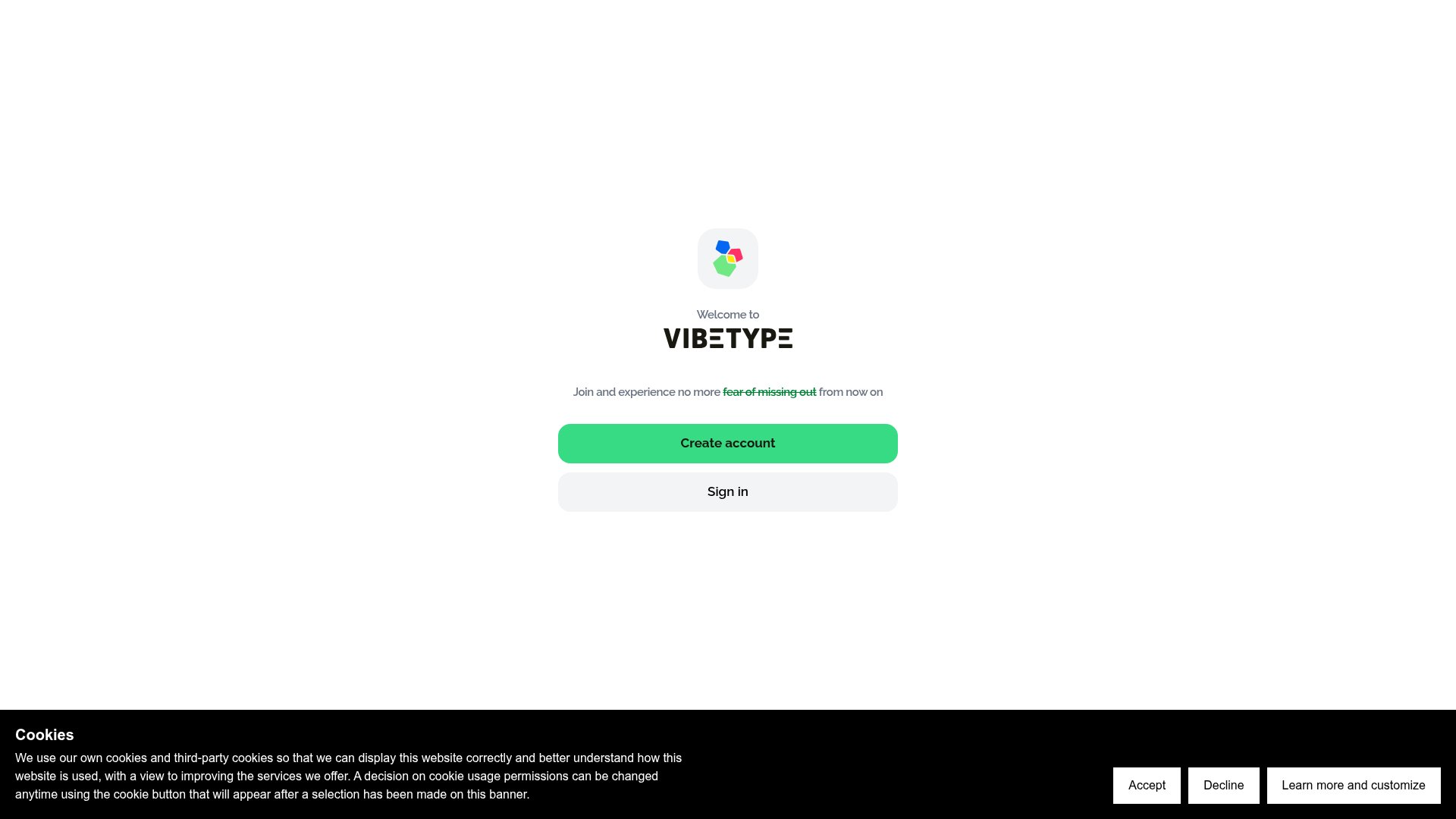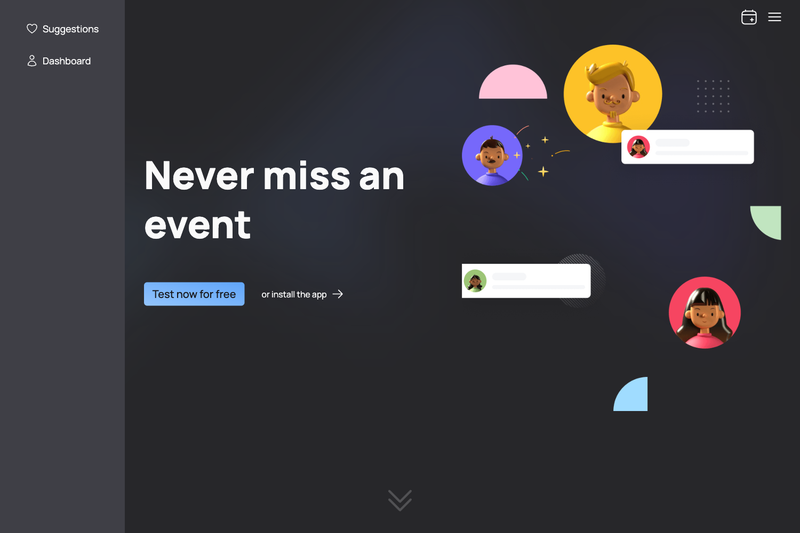
Vibetype is an open-source event management boilerplate built on Nuxt that lets developers deploy a fullstack web app for finding events, guests, and friends.
What is Vibetype?
Vibetype is an open-source project maintained by the maevsi organization that pairs a Nuxt (Vue.js) frontend with sqitch database migrations to create an event discovery platform. The repository accepts a development environment of Node.js, pnpm, and optionally Docker, and outputs a working web application accessible at a local HTTPS URL. For production, it relies on the maevsi/stack Docker configuration and the dargstack template for orchestration. The codebase includes a frontend-only development path and a fullstack containerized path.
Key Features
- Nuxt-based client — The frontend lives in the
srcdirectory and runs withpnpm dev, serving the app at https://localhost:3000 during development. - pnpm package management — Setup uses corepack and pnpm; a single
pnpm installinstalls all dependencies including thesrcdirectory automatically. - Docker stack deployment — The fullstack flow uses dargstack to deploy services into a Docker stack, with the service configuration stored in the maevsi/stack repository.
- sqitch migrations — Database schema changes are managed with a dedicated sqitch module, giving versioned and repeatable migrations.
- HTTPS-ready development —
mkcertgenerates and installs a root certificate and subcertificates so every service runs underhttpslocally, including on Windows via WSL. - Portainer integration — A documented Portainer setup offers a web UI at https://localhost:9443 to inspect containers, images, volumes, and networks.
- Contributor toolkit — The repository ships a CONTRIBUTING.md guide, a security disclosure policy, and a Discord server for development questions.
Who is it for?
- Developers building an event startup — They can fork the repository, follow the frontend-only setup, and start customizing the Nuxt app without running any backend services.
- Fullstack engineers — They can run the complete stack with Docker, dargstack, and sqitch to develop against a realistic production-like environment.
- Open-source contributors — The project provides a contribution guide and security policy, making it suitable for developers who want to practice contributing to a real project with a friendly Discord community.
What can you do with Vibetype?
- Create a self-hosted event platform: Set up a Nuxt-based site where visitors can find events, guests, and friends, with deployment handled through Docker stacks.
- Learn a fullstack architecture: Walk through the frontend-only and fullstack setups to understand how Nuxt, sqitch, and Docker stack fit together.
- Contribute to an active GitHub project: Use the documented workflows to run the app locally, write database migrations, and submit pull requests.
How does Vibetype work?
The repository splits development into two tracks. For frontend-only work, clone the repo, install Node.js with nvm, enable corepack, run pnpm install, and execute pnpm dev inside the src directory. For the fullstack setup, clone the maevsi/stack and sqitch modules as well, copy stack.env.template to stack.env, create mkcert certificates, and run dargstack deploy followed by dargstack build for the vibetype and sqitch images.
FAQ
Does Vibetype require Docker?
No. The frontend-only development path needs only Node.js, pnpm, Git, and mkcert. Docker is required exclusively for the fullstack setup, which also needs dargstack.
What frontend framework does Vibetype use?
Vibetype's frontend is built with Nuxt, a Vue.js framework. The README's technology section links directly to nuxt.com and the dev server runs from a Nuxt project located in the src directory.
How do I reach the running application?
After completing the frontend-only setup, open https://localhost:3000. In the fullstack setup, the application is served at https://localhost after the Docker stack is deployed and images are built.
Where can I ask for development help?
The README directs developers to Vibetype's Discord server for setup and development questions. It also points to the contributing guide and security disclosure policy for contribution-related details.