Newsletter
Join the Community
Subscribe to our newsletter for the latest news and updates

A production-ready React Router template for full-stack React apps with SSR, HMR, TypeScript, Tailwind CSS, and Docker deploy configs.
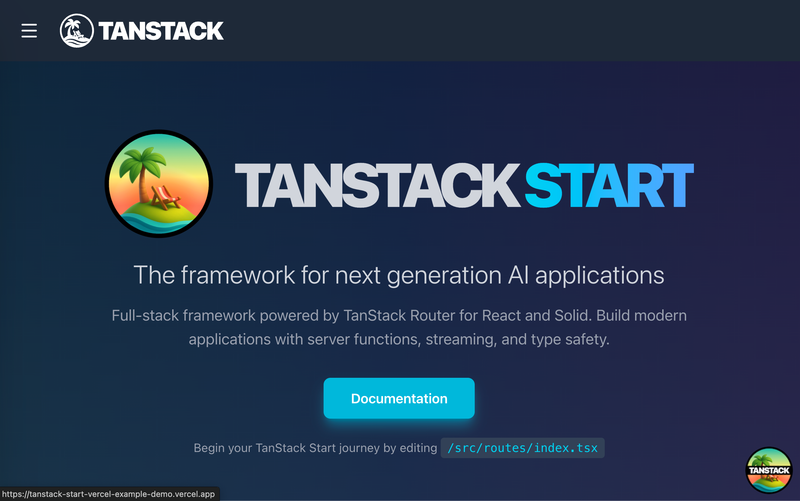
Full-stack React starter built on TanStack Start with file-based routing, route loaders, TanStack Query, TanStack Store, Tailwind CSS, and Vitest.

A Turborepo monorepo starter pairing a Hono API app with a Next.js web app and shared TypeScript, ESLint, and Prettier configs.
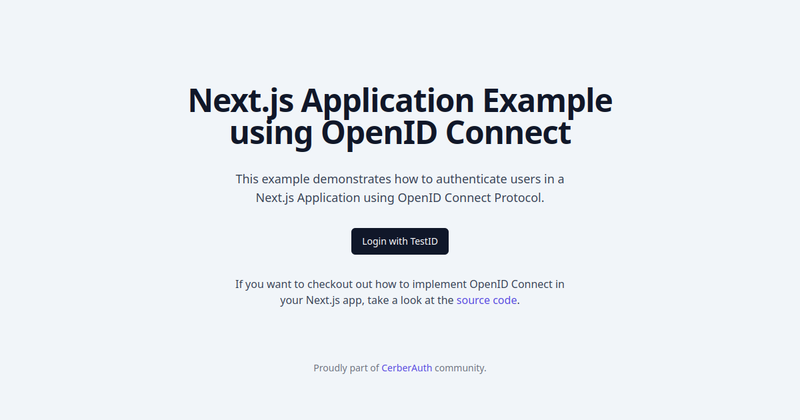
Next.js example app implementing the OpenID Connect Authorization Code Flow with PKCE via Auth.js, deployable to Vercel or Cloudflare Pages.
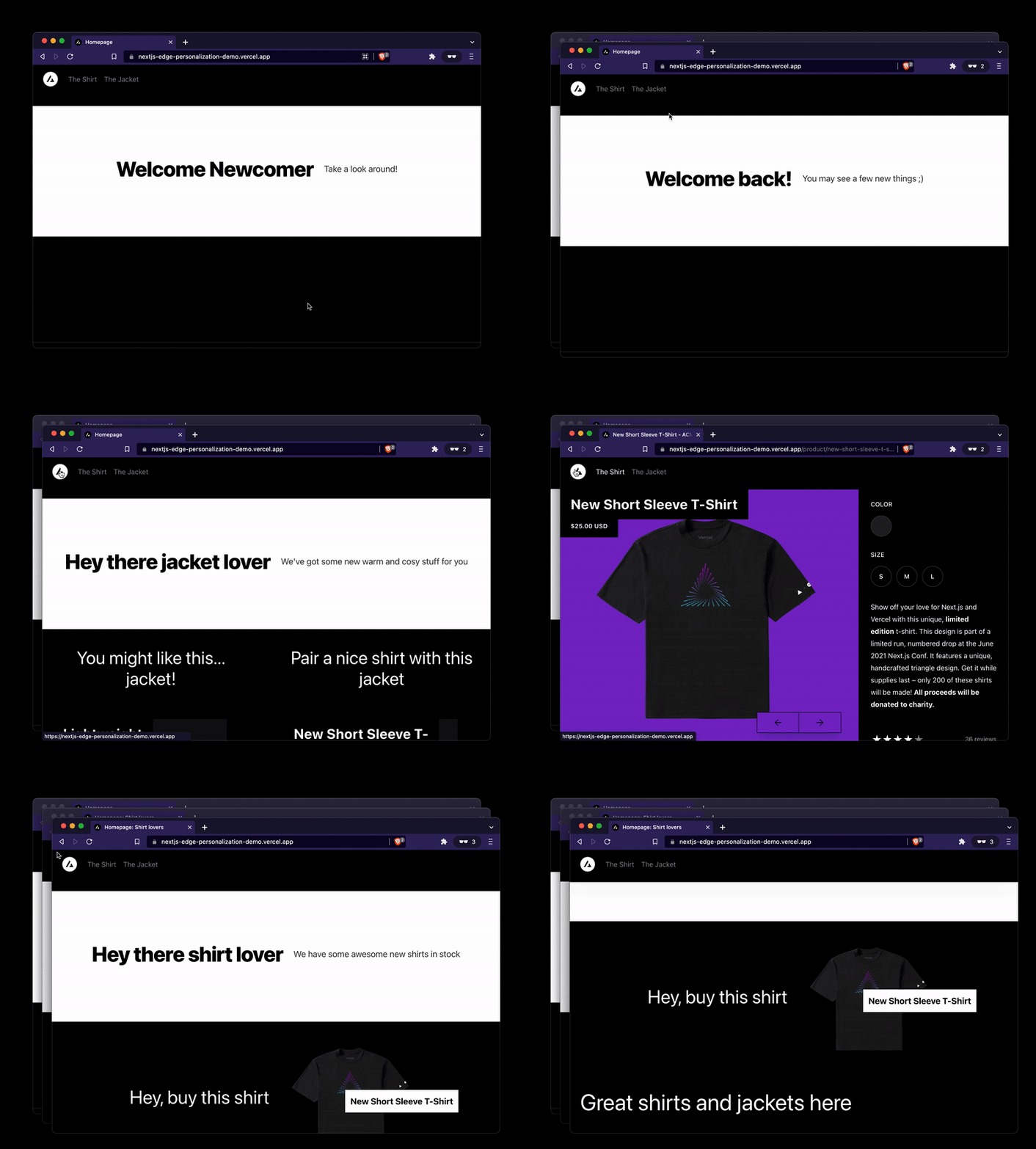
Next.js Commerce fork with Builder.io visual editing and Vercel Edge Middleware for cookie-driven personalization and A/B testing.
React Router Boilerplate is a production-ready starter template for full-stack React applications built on React Router, combining file-based routing, server-side rendering, data loading, and asset bundling in a single Node project.
The React Router Boilerplate is the default template published in the remix-run/react-router-templates repository for scaffolding a full-stack React app with React Router. You install it with npm install, start a development server with npm run dev at http://localhost:5173, and compile it with npm run build into a build/client/ folder of static assets plus a build/server/ folder of server-side code. It is written in TypeScript by default and renders pages on the server rather than shipping an empty HTML shell to the browser.
build/ directory.Dockerfile for npm, Dockerfile.pnpm for pnpm, and Dockerfile.bun for bun, with the container listening on port 3000.The workflow is a standard Node project loop: install dependencies with npm install, run npm run dev to get a hot-reloading dev server on port 5173, then run npm run build to produce the deployable build/client/ and build/server/ output. Deployment then means either shipping that build directory to your own Node host or building a container image from one of the three included Dockerfiles and running it on port 3000.
The readme lists Docker-compatible targets including AWS ECS, Google Cloud Run, Azure Container Apps, Digital Ocean App Platform, Fly.io, and Railway, and states that any platform supporting Docker will work. For DIY deployments, the built-in app server is described as production-ready, provided you ship package.json, the matching lockfile, and the build/ folder containing both client and server output.
Yes. It is an open-source template published in the remix-run/react-router-templates GitHub repository (the repo shows 5,156 stars) and is distributed as source code you install and modify locally.
React Router handles routing, server rendering, and data loading, TypeScript is the default language, Tailwind CSS is preconfigured for styling, and the output is a Node server plus static client assets.
The development server with HMR runs at http://localhost:5173. The Docker production container, by contrast, exposes port 3000.
The template ships Dockerfiles for npm, pnpm, and bun, and the lockfile in the build output can be package-lock.json, pnpm-lock.yaml, or bun.lockb.
Yes. Tailwind CSS is configured for a simple default starting experience, but the documentation explicitly states you can use whatever CSS framework you prefer.