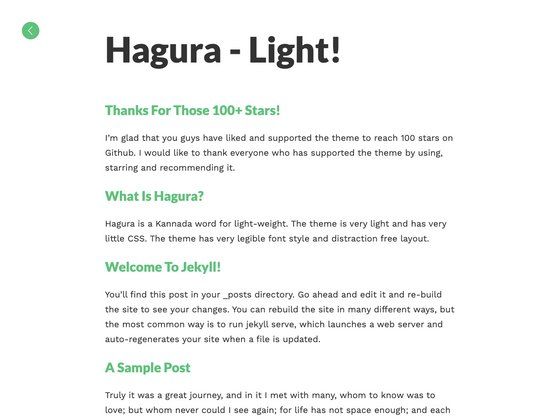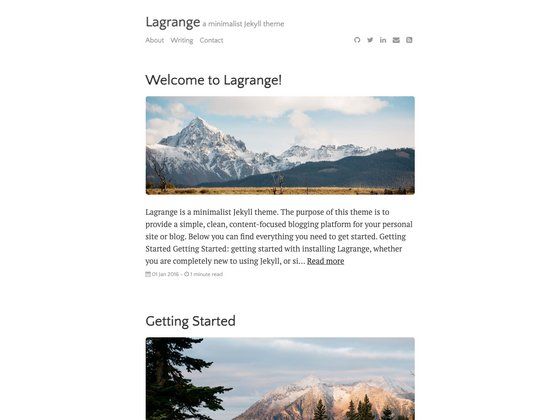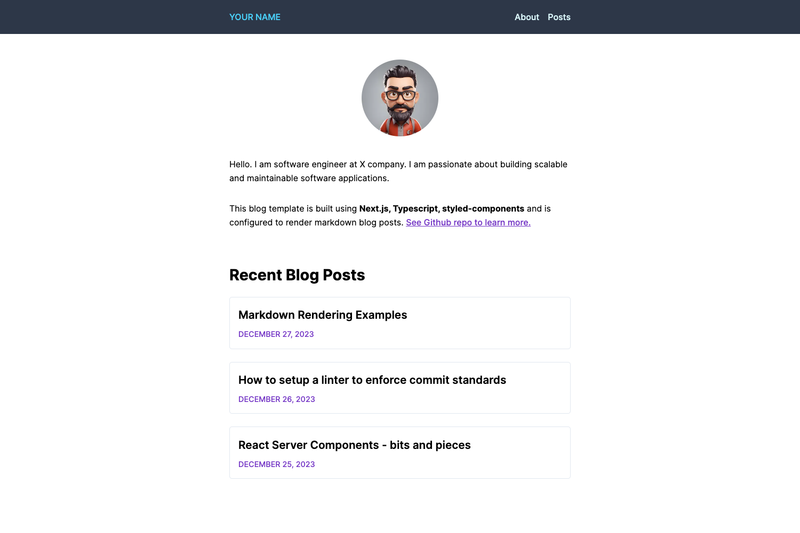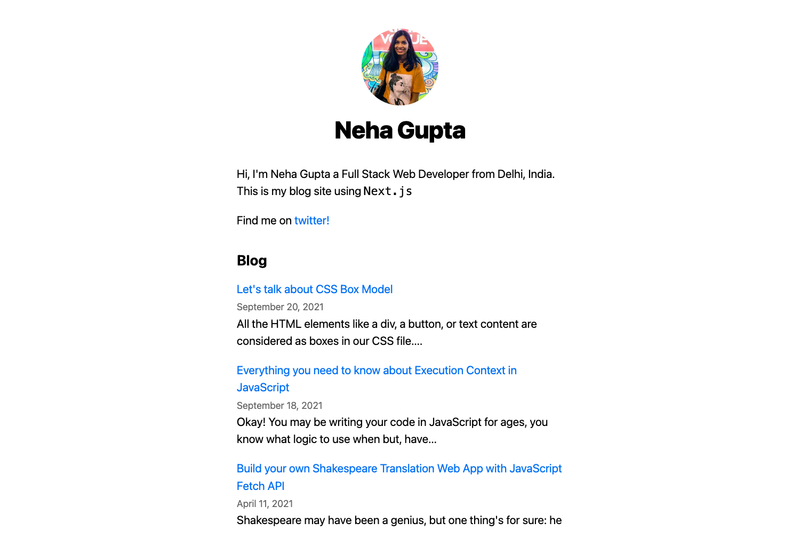
Riffy Blog is a deprecated open-source Astro blog template that converts content stored in Contentful into a fully static blog with near 0kB of client-side JavaScript, styled by Tailwind CSS. It was built by GitHub user rayriffy as a replacement for an older hard-to-maintain blog, and remains available as a study reference for Astro projects even though active development has moved to the author's main site repository.
What is Riffy Blog?
Riffy Blog is an Astro-powered blog starter that takes a Contentful space — including a custom content model and API keys — and outputs a deployable static site in a dist/ directory. It uses Tailwind CSS for all styling, and the production build ships almost no JavaScript because Astro renders content as static HTML. The project is deprecated: the author notes it is no longer maintained and has been merged into the rayriffy.com repository, but the code and demo remain public for educational use.
What makes Riffy Blog stand out?
- Near-zero client JavaScript — Astro's static rendering means the blog ships almost no JavaScript, keeping pages fast and lightweight.
- Contentful headless CMS integration — The template imports a provided content model JSON and uses
CONTENTFUL_PREVIEW_ACCESS_TOKENto fetch draft content during development. - Markdown generation workflow — Running
pnpm data buildpulls CMS entries and generates local*.mdfiles;pnpm data cleanremoves them if you need to reset. - Preview drafts locally — Development scripts use the preview token so unpublished articles appear in local development but not in production builds.
- Simple static output —
pnpm buildproduces adist/directory of static files that can be deployed to any static host. - pnpm-based commands — All scripts are designed for the pnpm package manager, from
pnpm devfor local development topnpm buildfor production.
Who is Riffy Blog for?
- Developers learning Astro can study this repo as a working example of an Astro site with a headless CMS, though it is deprecated.
- Contentful users who want a lightweight static blog can copy the approach, importing the provided content model and using API tokens.
- Bloggers seeking a static setup can use the template as a base, as it produces pure static output with no server-side runtime.
What can you do with Riffy Blog?
- Set up a new blog: Create a Contentful workspace, import the content model JSON, copy
.env.exampleto.env, and generate markdown withpnpm data build. - Preview unpublished articles: In development, the preview token makes Contentful drafts visible on the local server.
- Deploy a static site: Run
pnpm buildto get adist/folder that works on any static hosting service. - Study Astro patterns: Examine how Astro components and Tailwind are combined to produce a content-driven site.
How does Riffy Blog work?
The template uses a build-time pipeline: Contentful content is fetched via API using environment-specific tokens, converted into local Markdown files by a generator script, and then consumed by Astro to render static pages. Commands pnpm data build and pnpm data clean manage the Markdown cache, while pnpm dev and pnpm build handle serving and generating the final static output.
Pros and cons
- Pros: Ships near 0kB of JavaScript, uses a flexible headless CMS, produces a static
dist/output, and includes a public demo. - Cons: Deprecated and no longer maintained, so there is no ongoing support or updates; setup requires a Contentful account and API keys.
FAQ
Is Riffy Blog still maintained?
No. The repository README explicitly states the project is deprecated and no longer maintained because the author merged the blog into the rayriffy.com repository. It remains available as a study reference for how Astro works.
What CMS does Riffy Blog require?
It requires Contentful. The setup steps include creating a Contentful workspace, importing the provided content model JSON, and configuring environment variables with your Contentful API keys.
How do I preview draft posts?
In development, the template uses CONTENTFUL_PREVIEW_ACCESS_TOKEN to fetch content, so drafts and unpublished articles appear when you run pnpm dev. In production builds, only published content is used.
What does pnpm data build do?
It runs a generator script that pulls content from Contentful and creates local *.md Markdown files that Astro uses as its content source. This decouples the CMS data from the rendering step.
Does the template include custom styling?
Yes. Tailwind CSS is used for the design system, so you can customize the blog's appearance by editing Tailwind configuration and components.